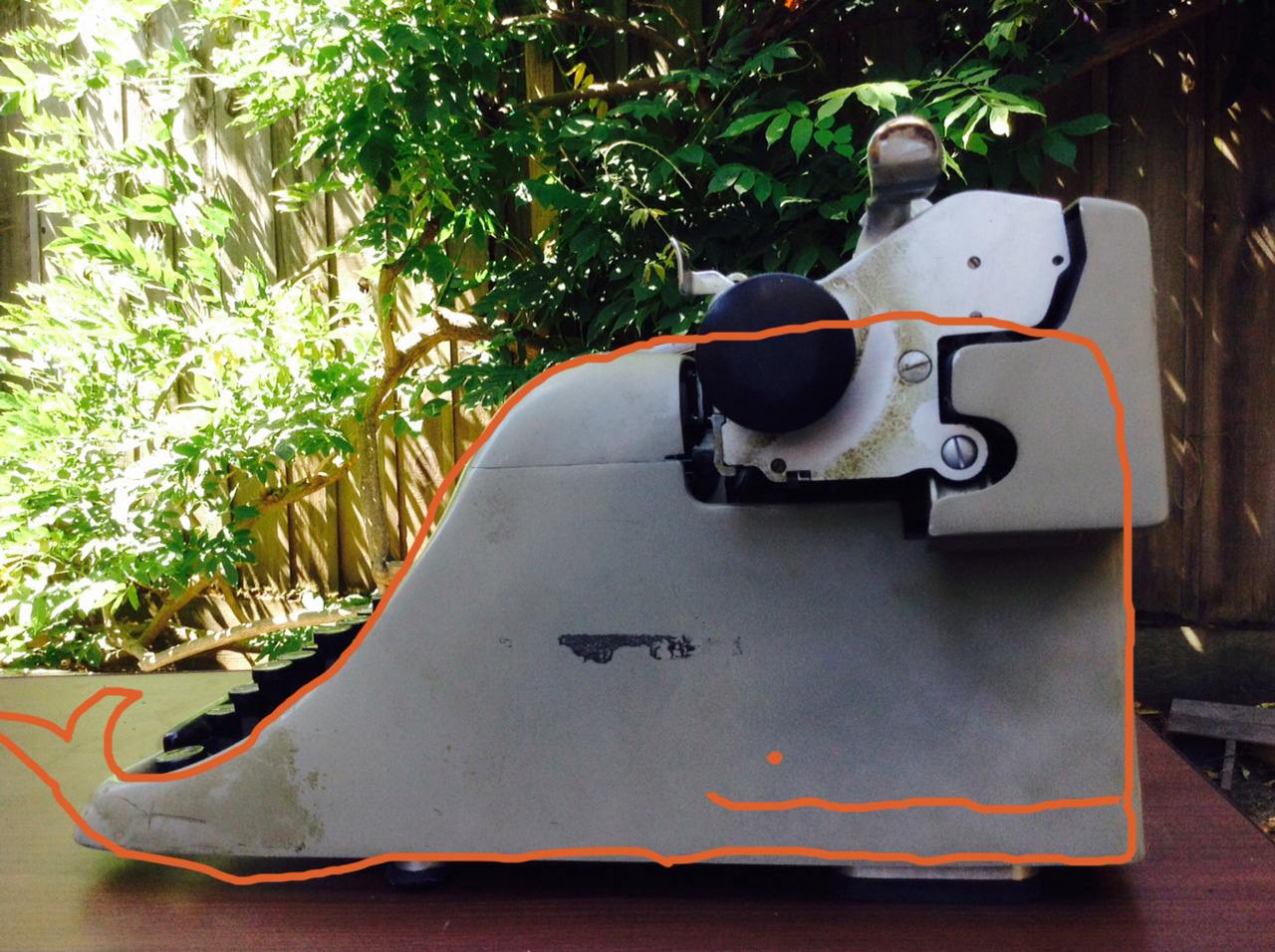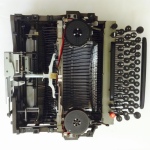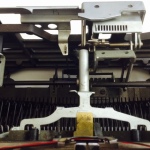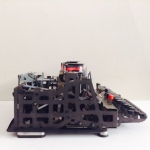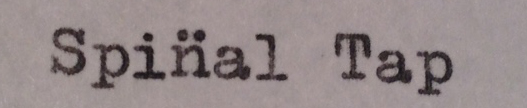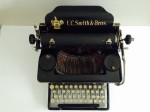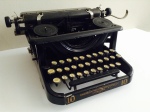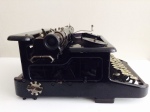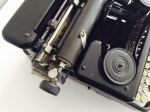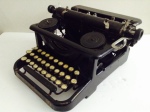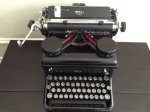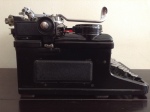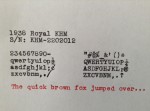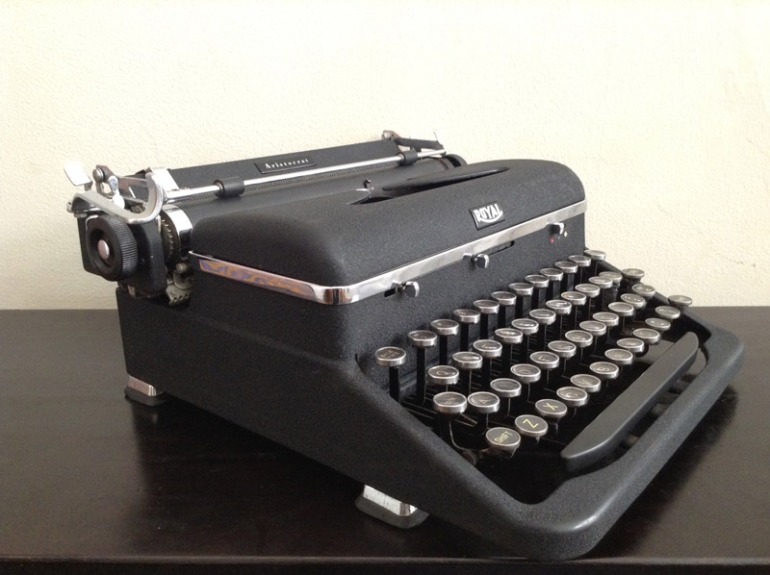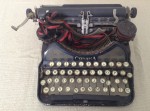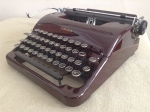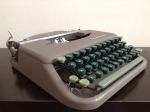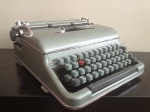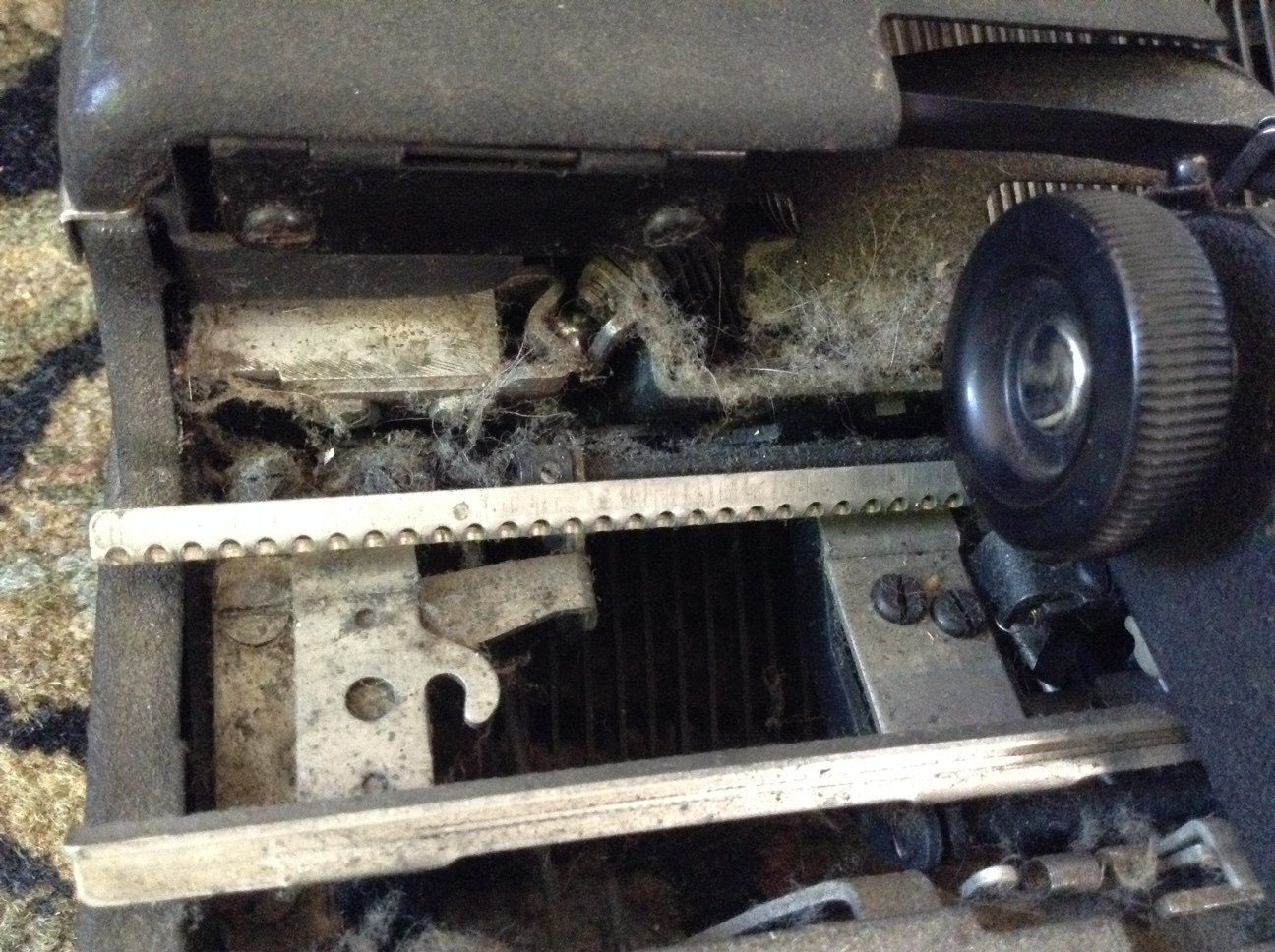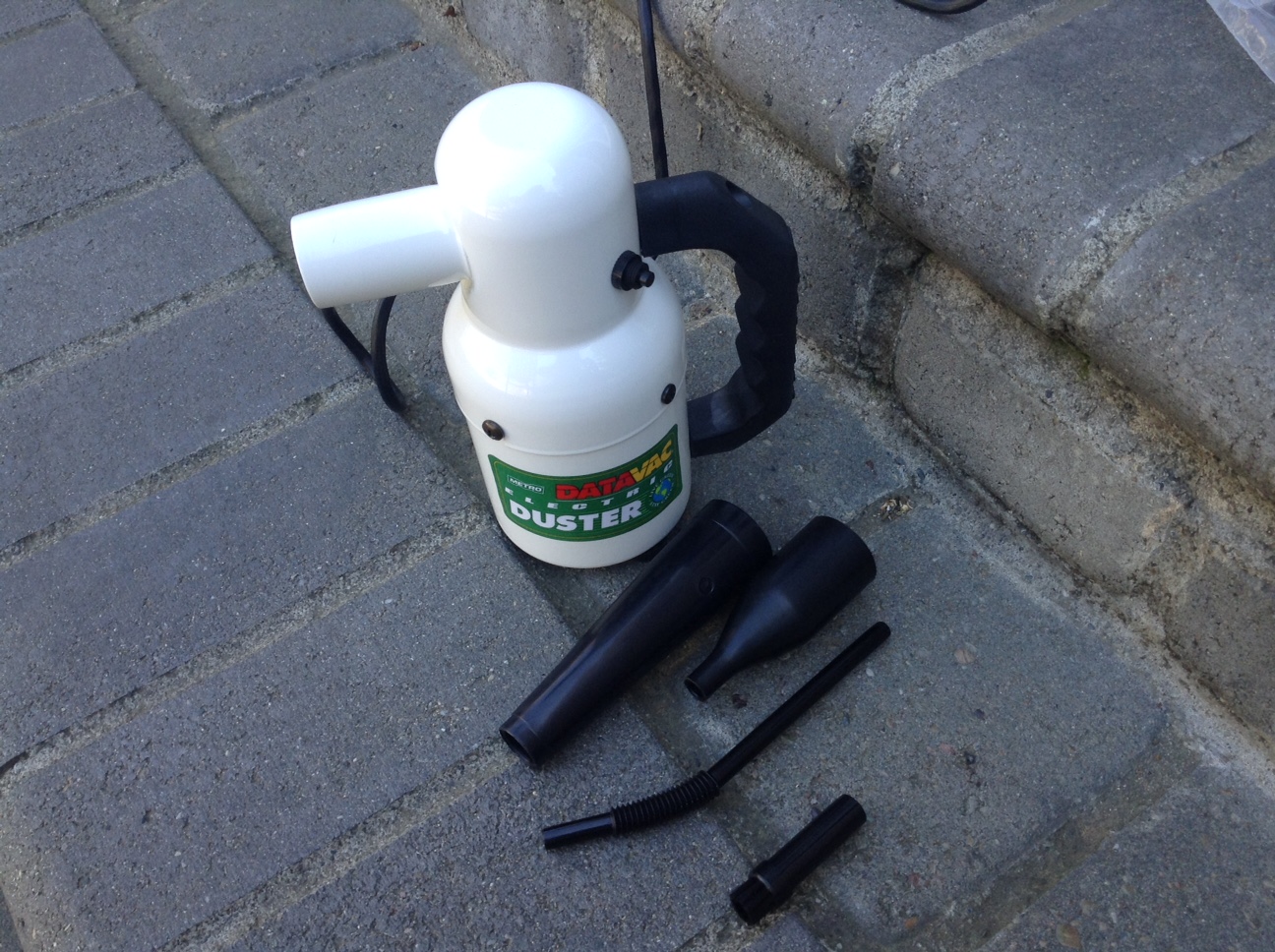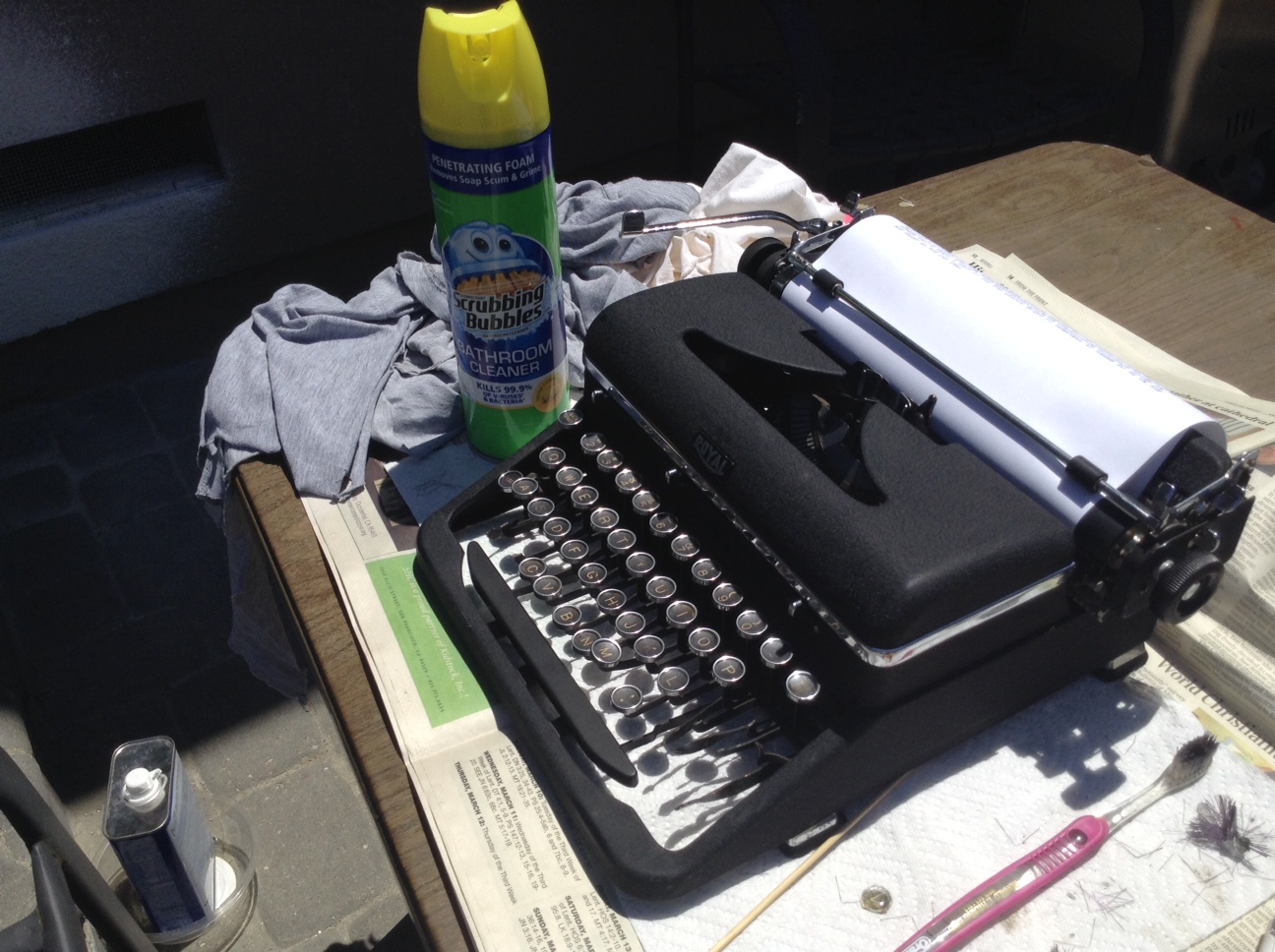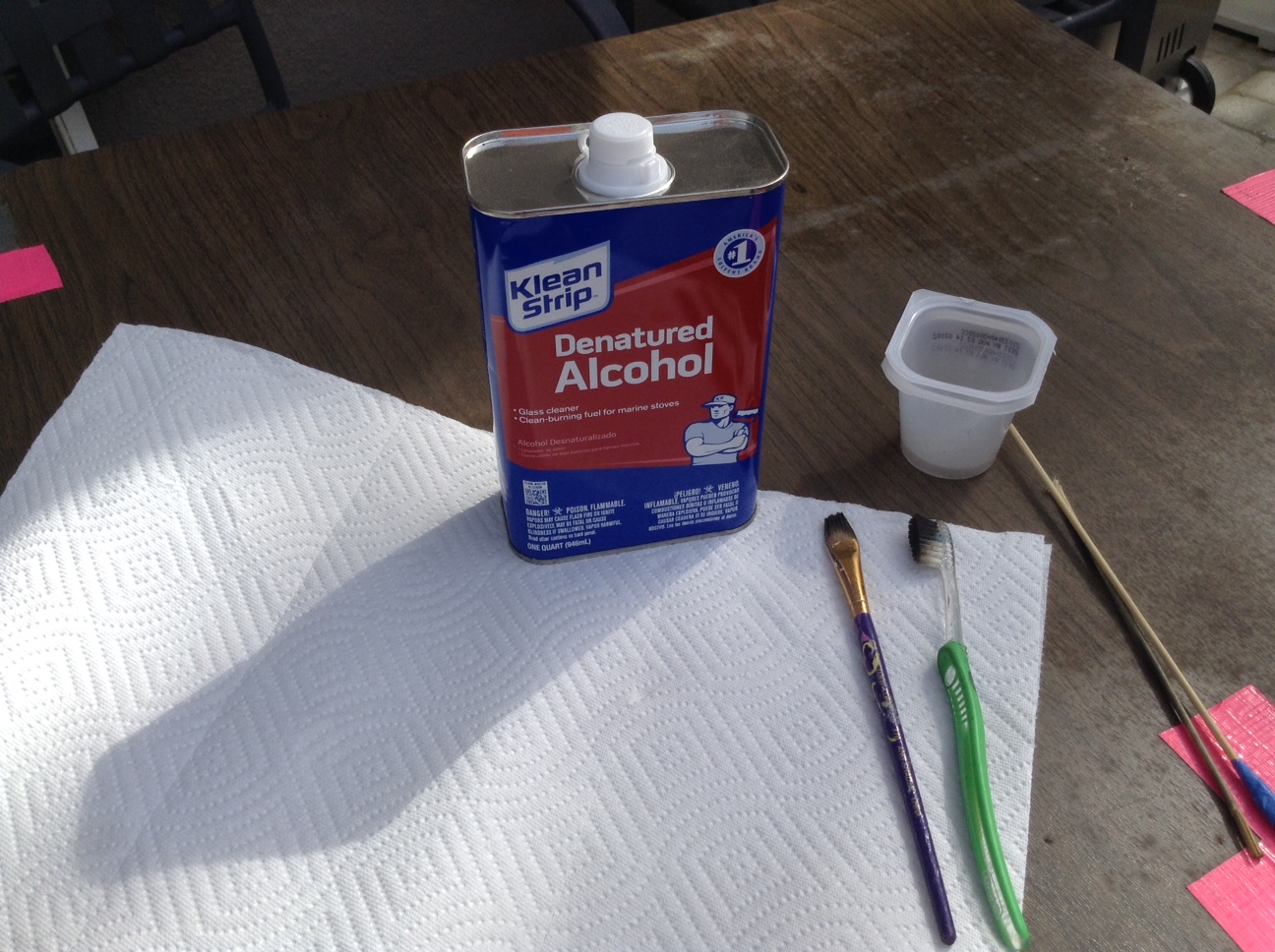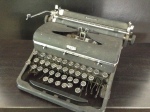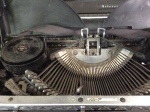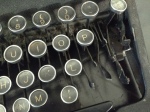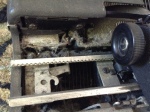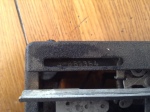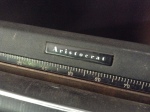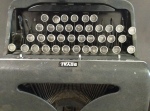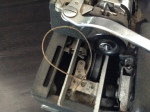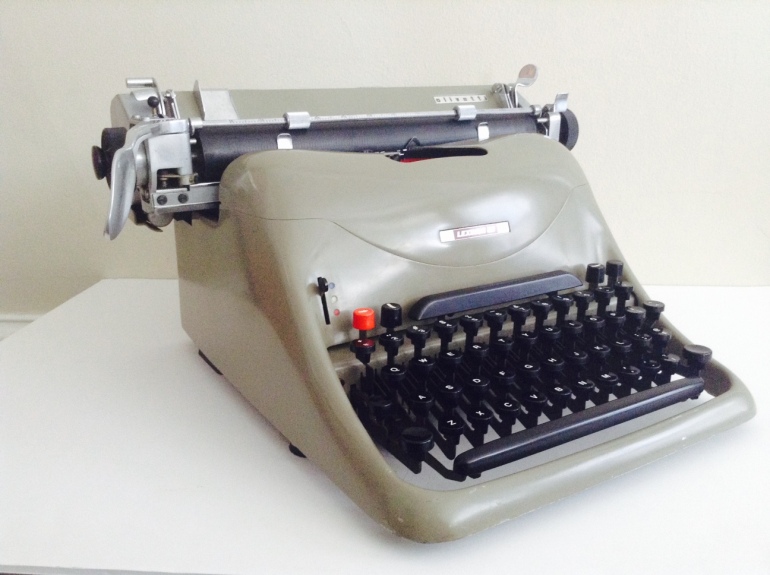
A Lady in Peril Rescued: Royal Aristocrat

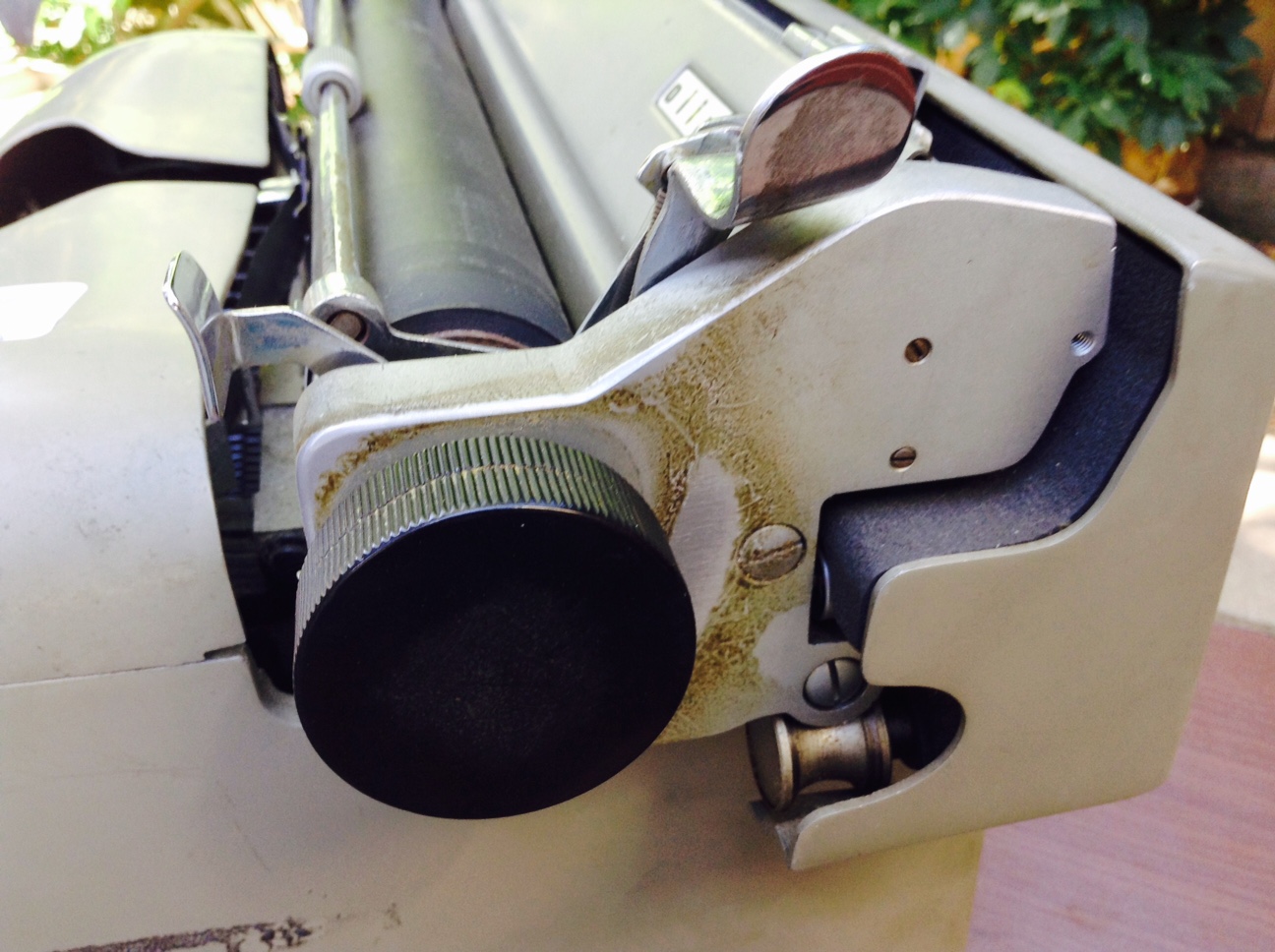
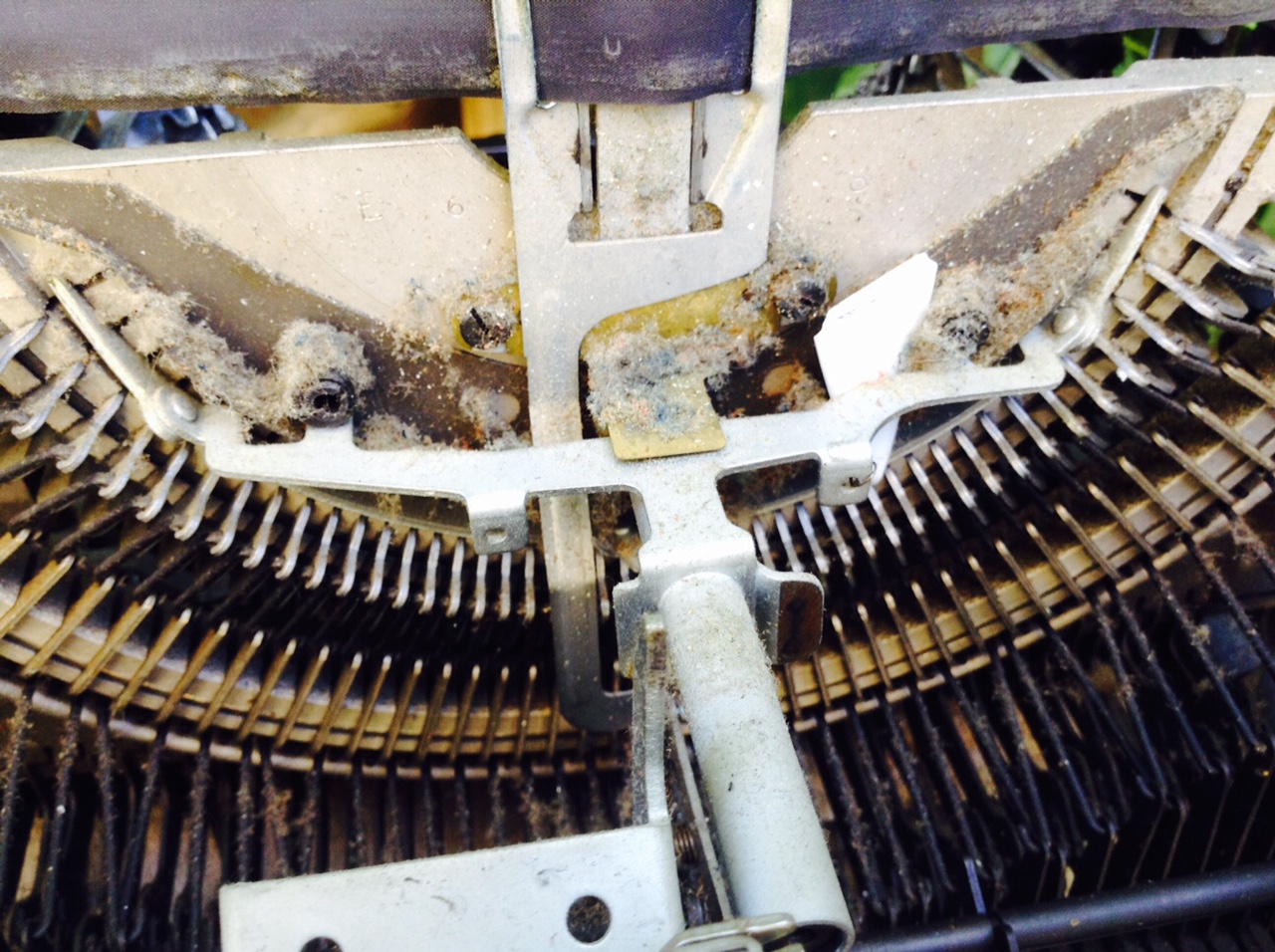
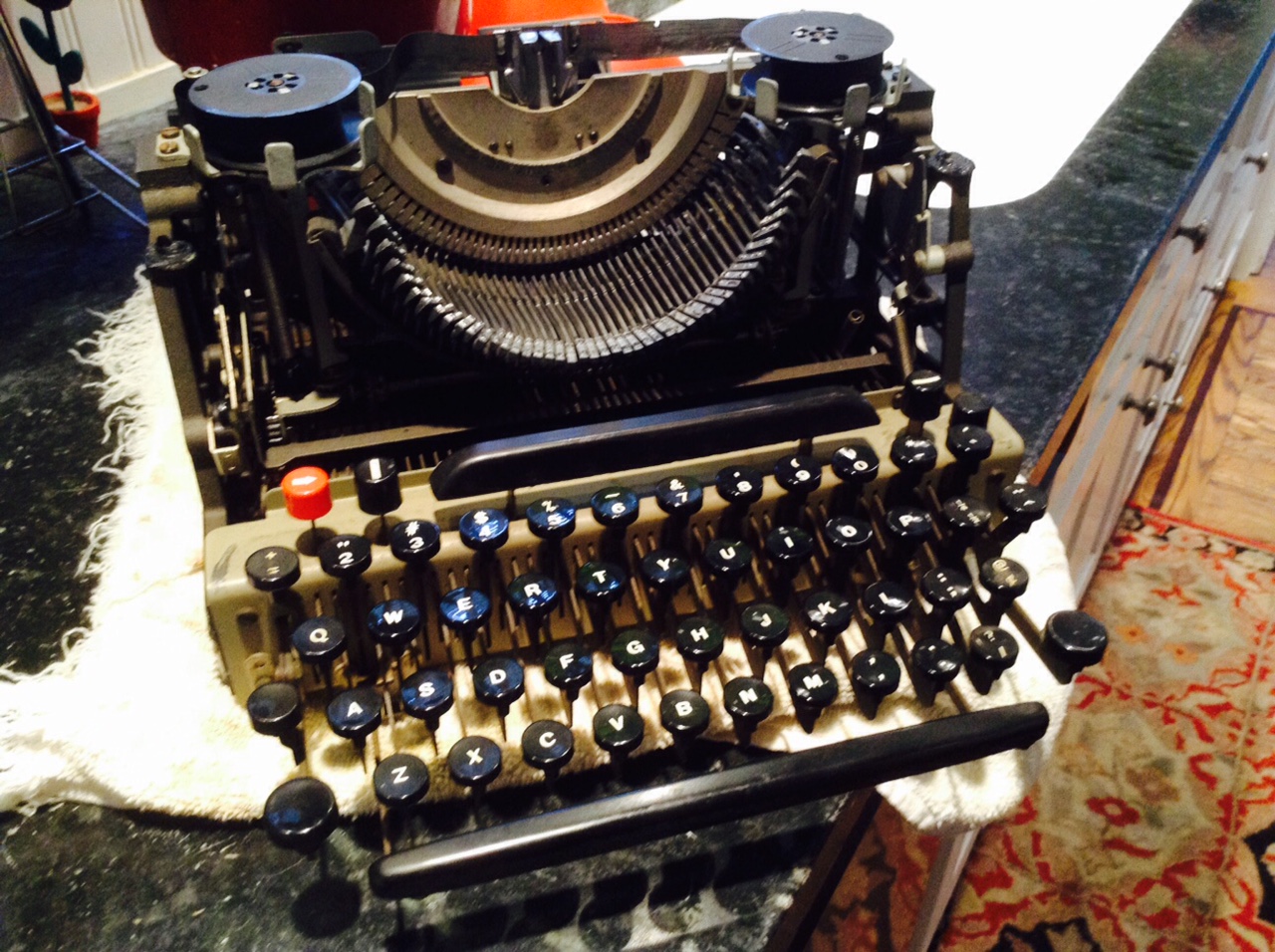
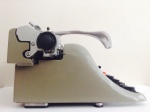
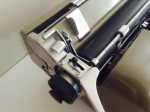
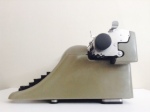
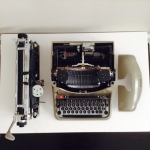
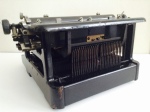
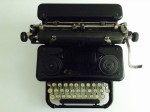
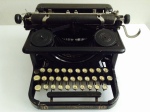
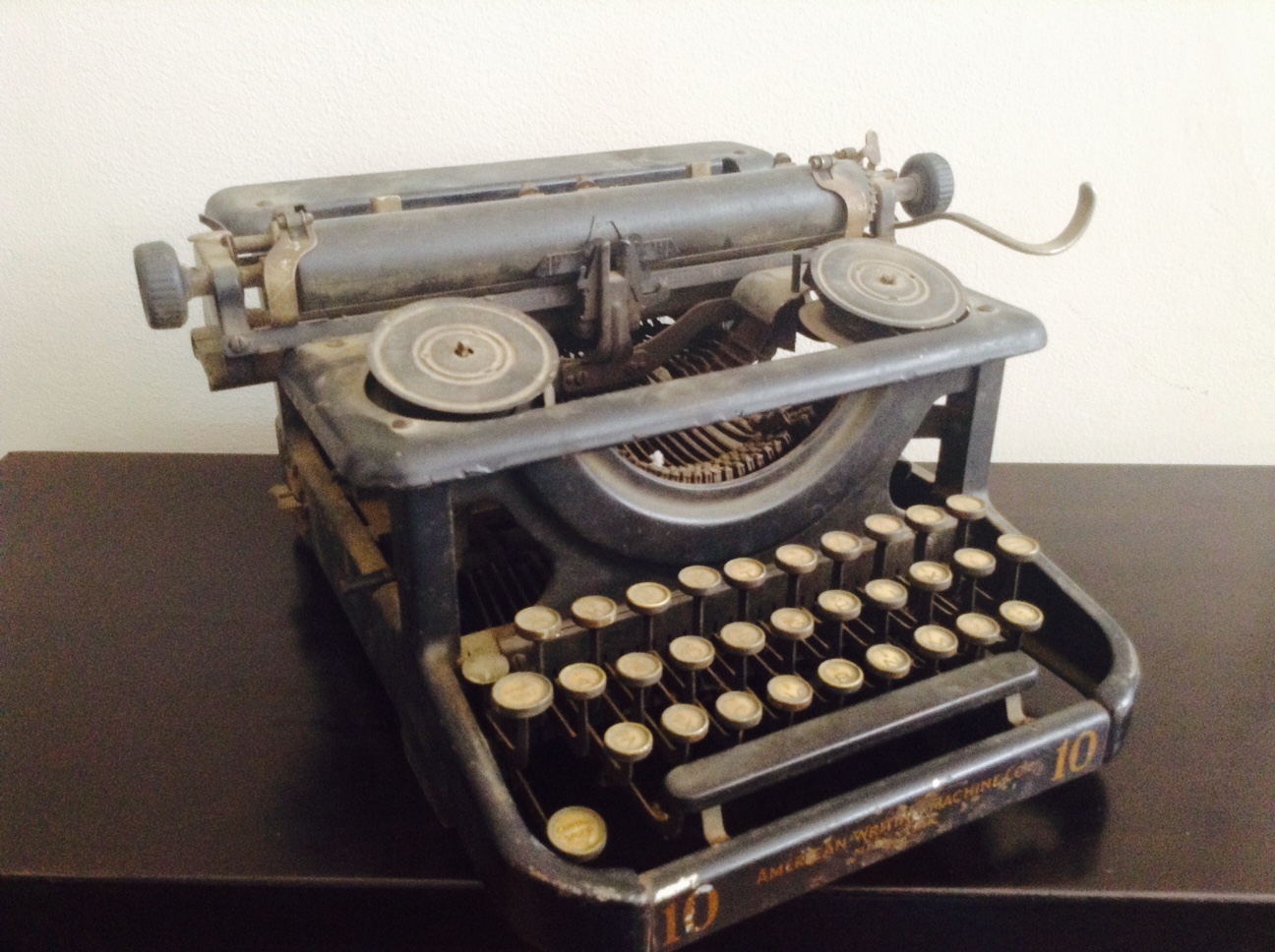
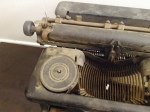
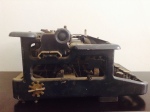
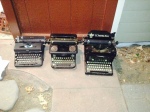
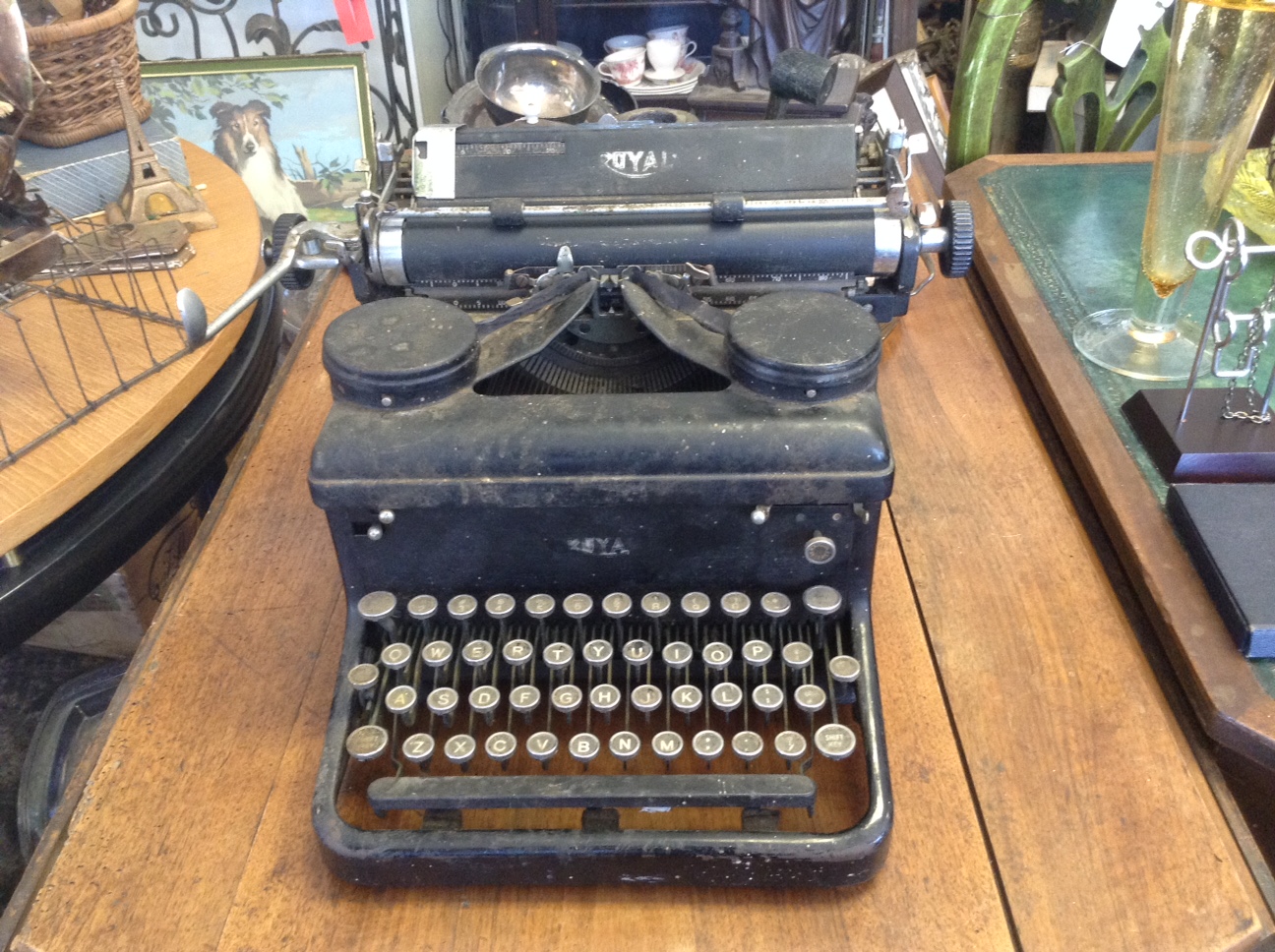
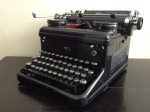
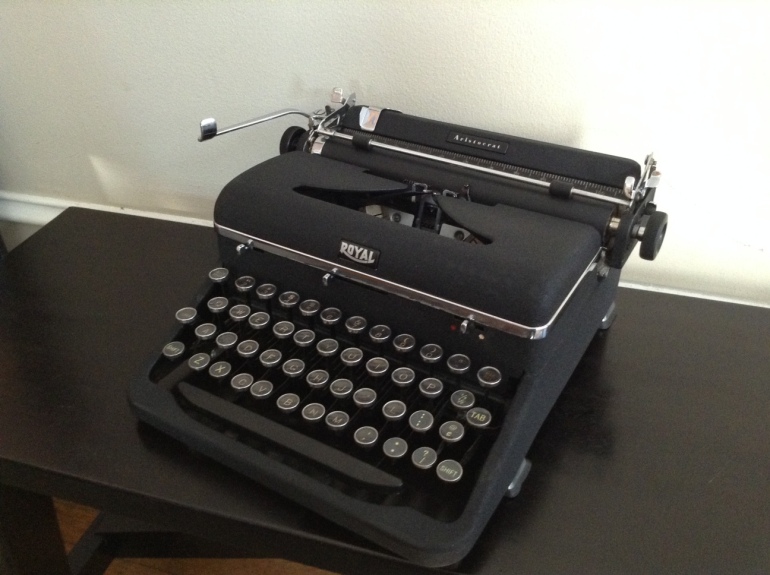
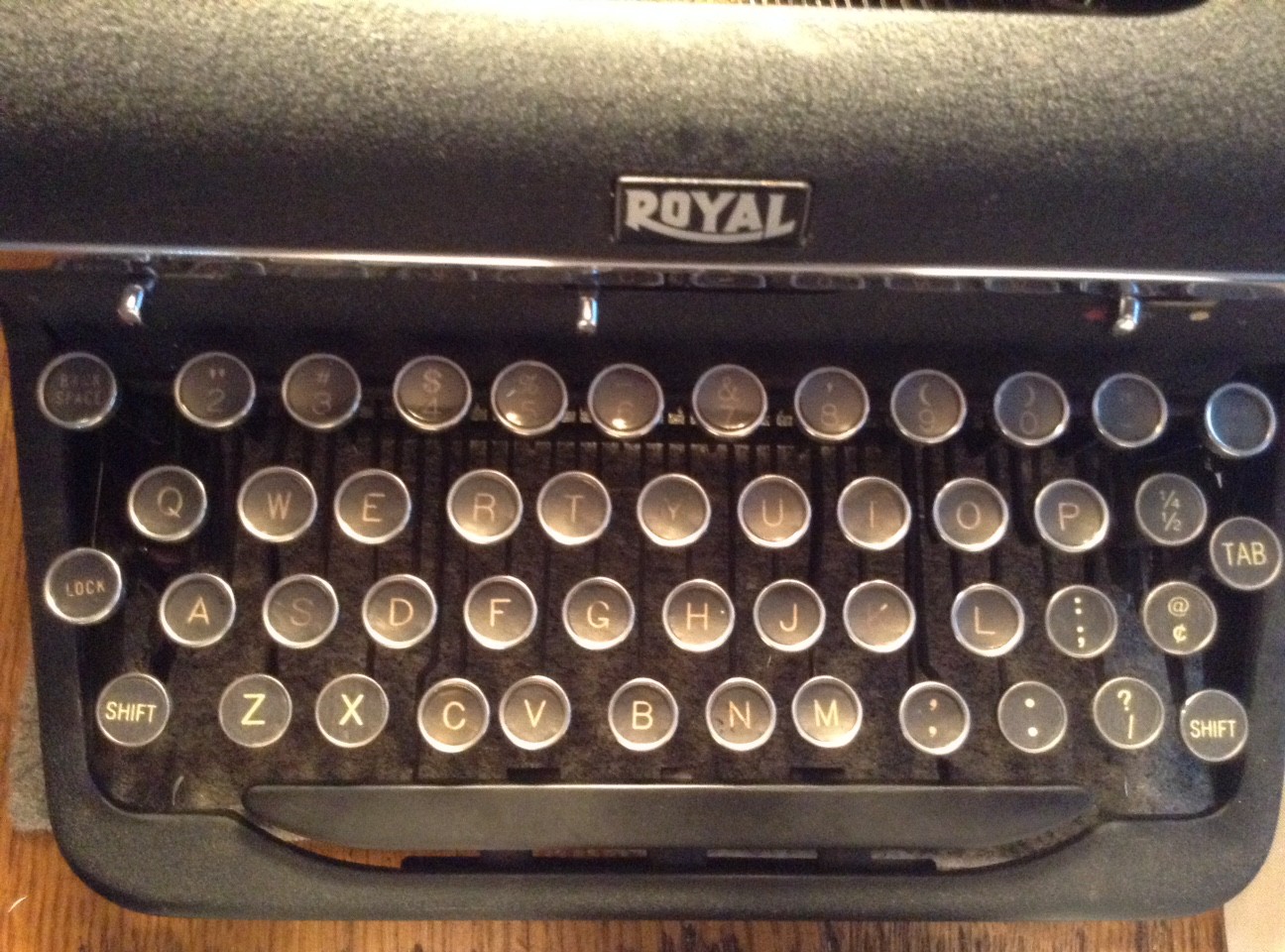
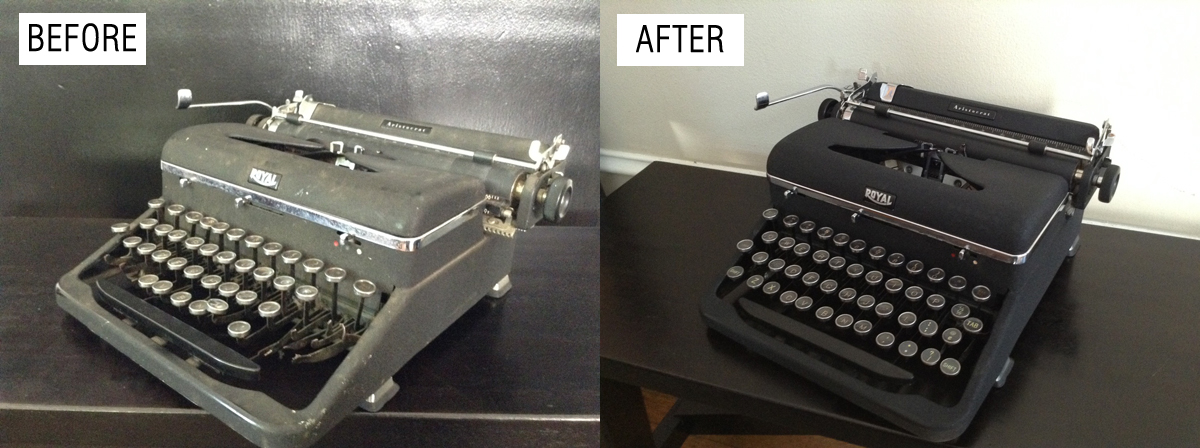
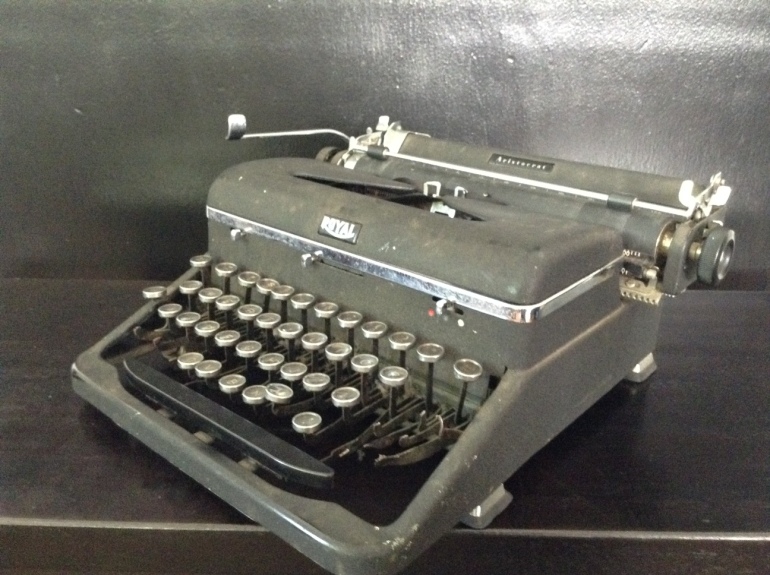
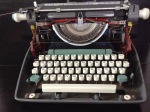
I was out and about today and stopped in at a few town thrift stores looking for brown plastic cases for Operation: SCM Datecode.  I  didn’t find any, but I did run across this lovely but very dirty Royal Aristocrat.

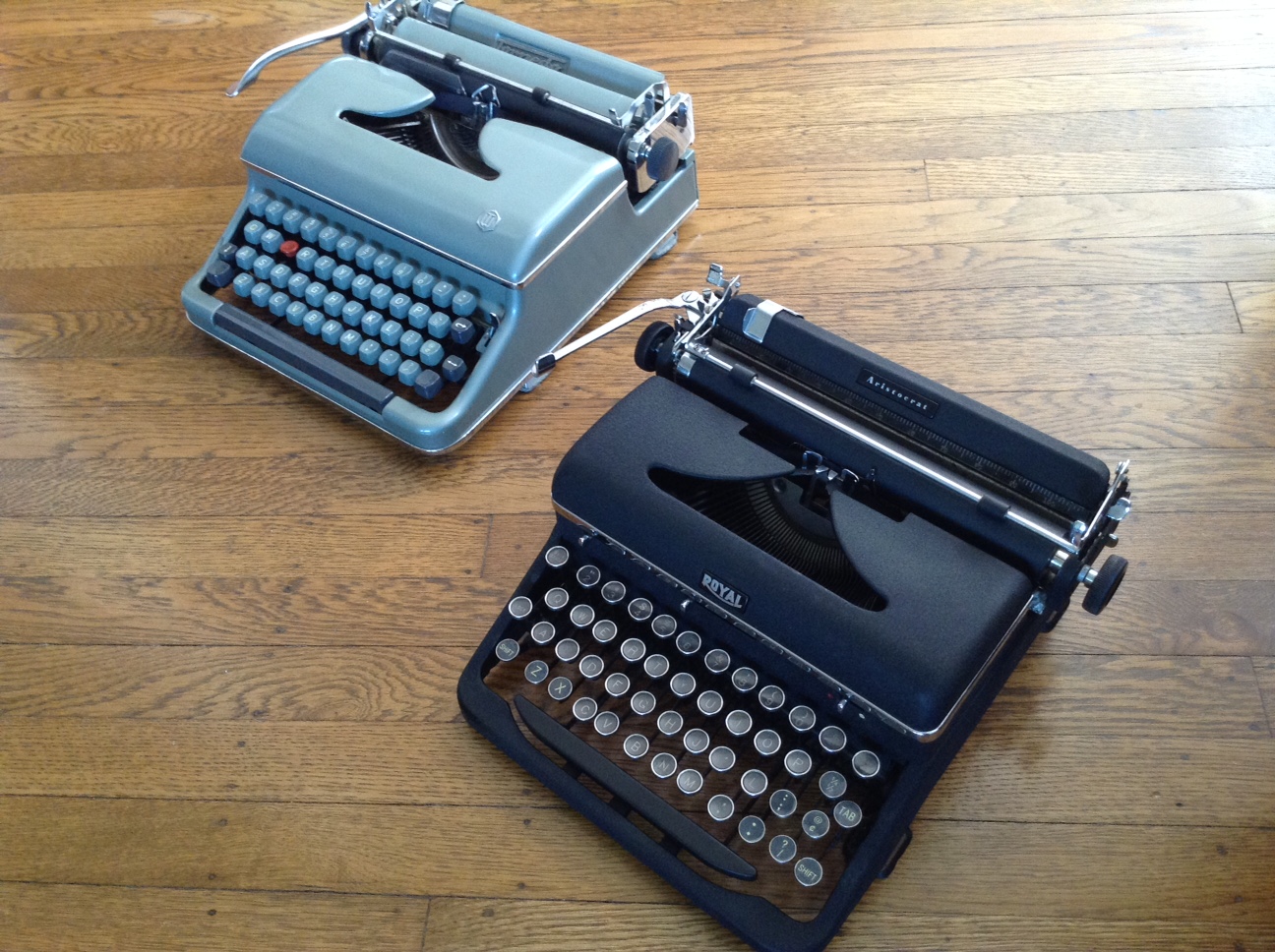
My collection is a little Smith-Corona / Corona heavy and I have been thinking I should branch out and see what all the fuss is about other typewriter brands: the Royals and the Underwoods etc.

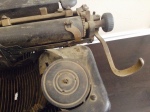
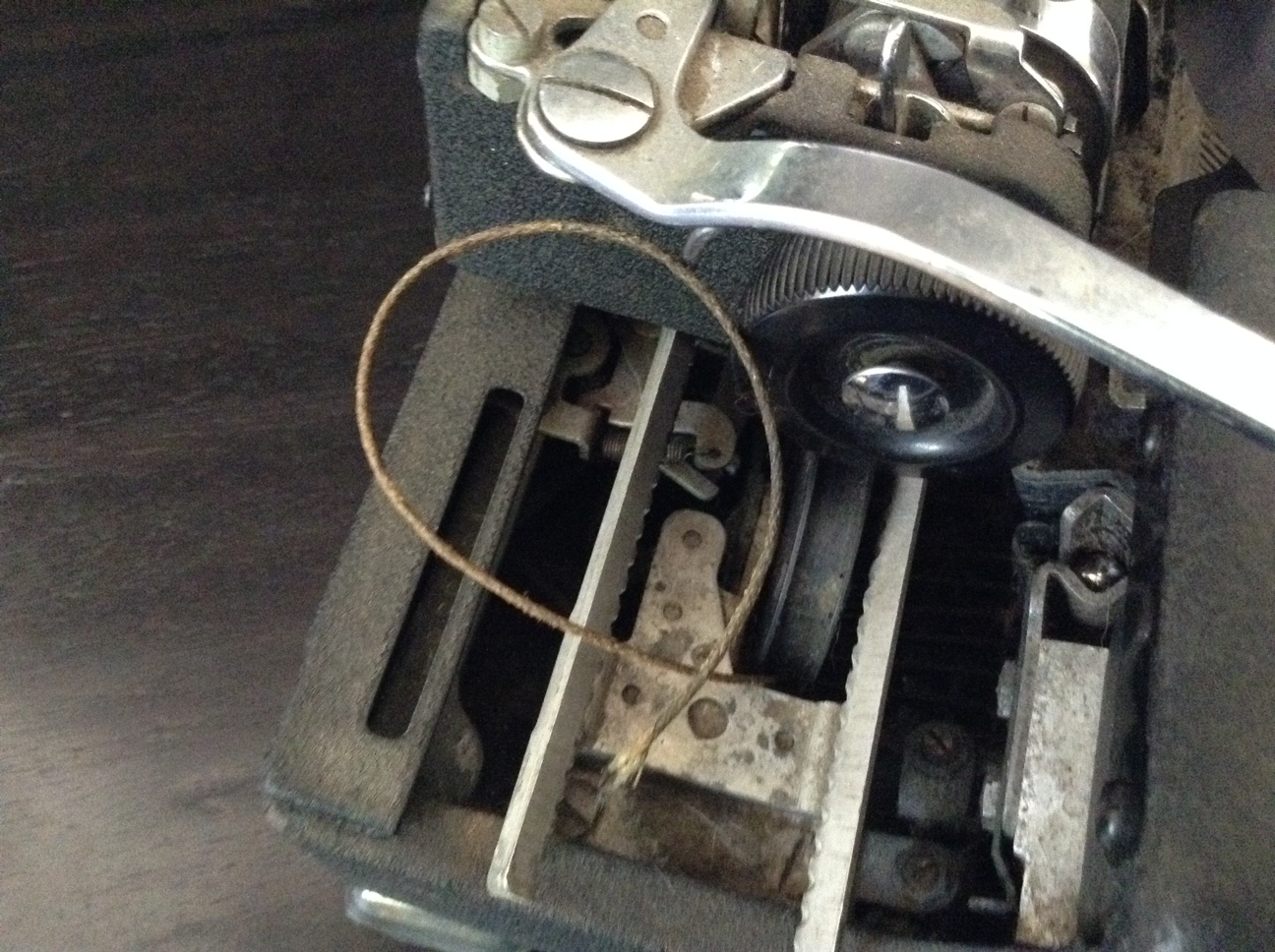
This Royal was filthy. Not a problem – I like to clean things up.  The draw cord was broken.  I can fix that (probably).

IMG_3822

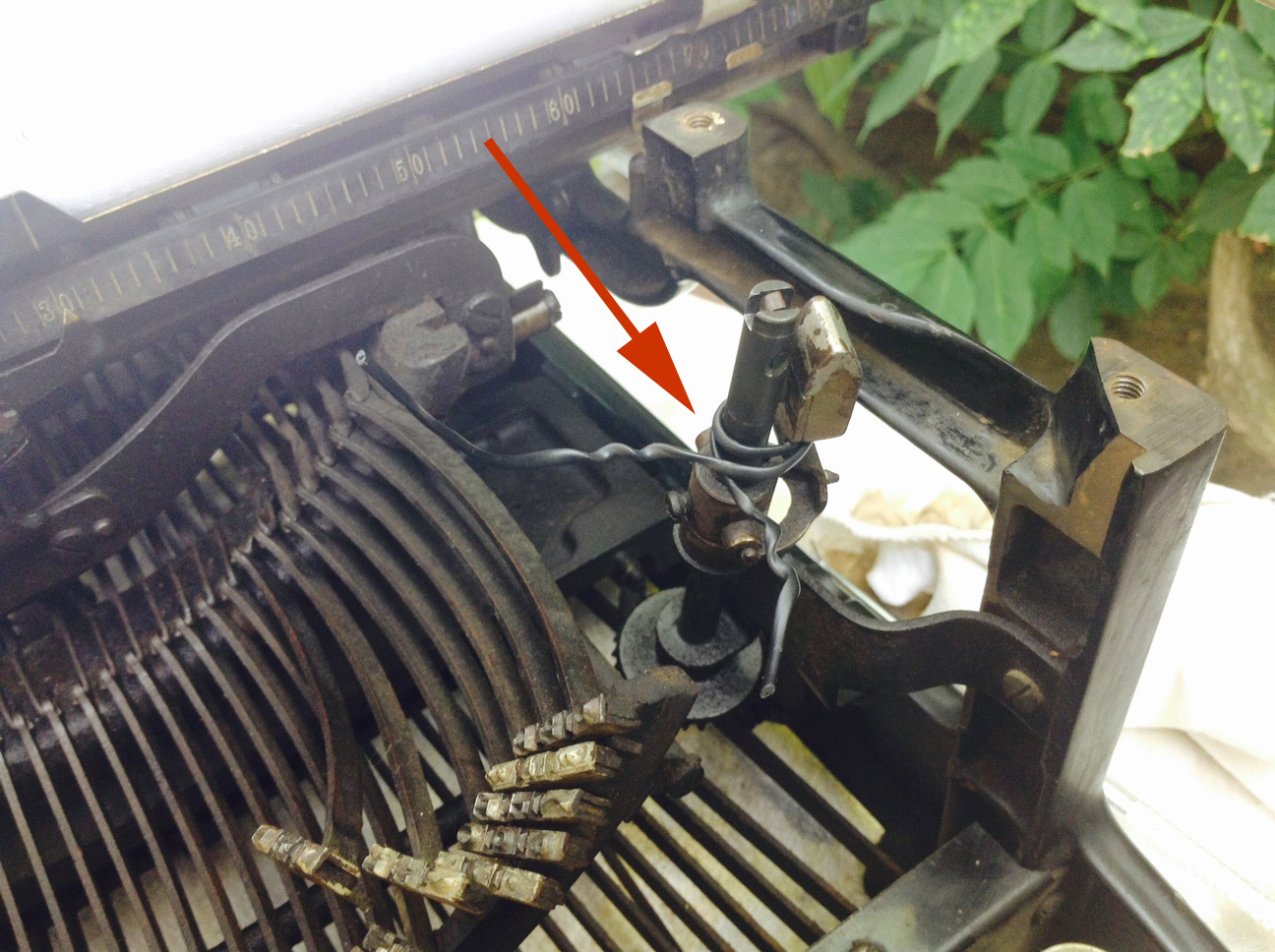
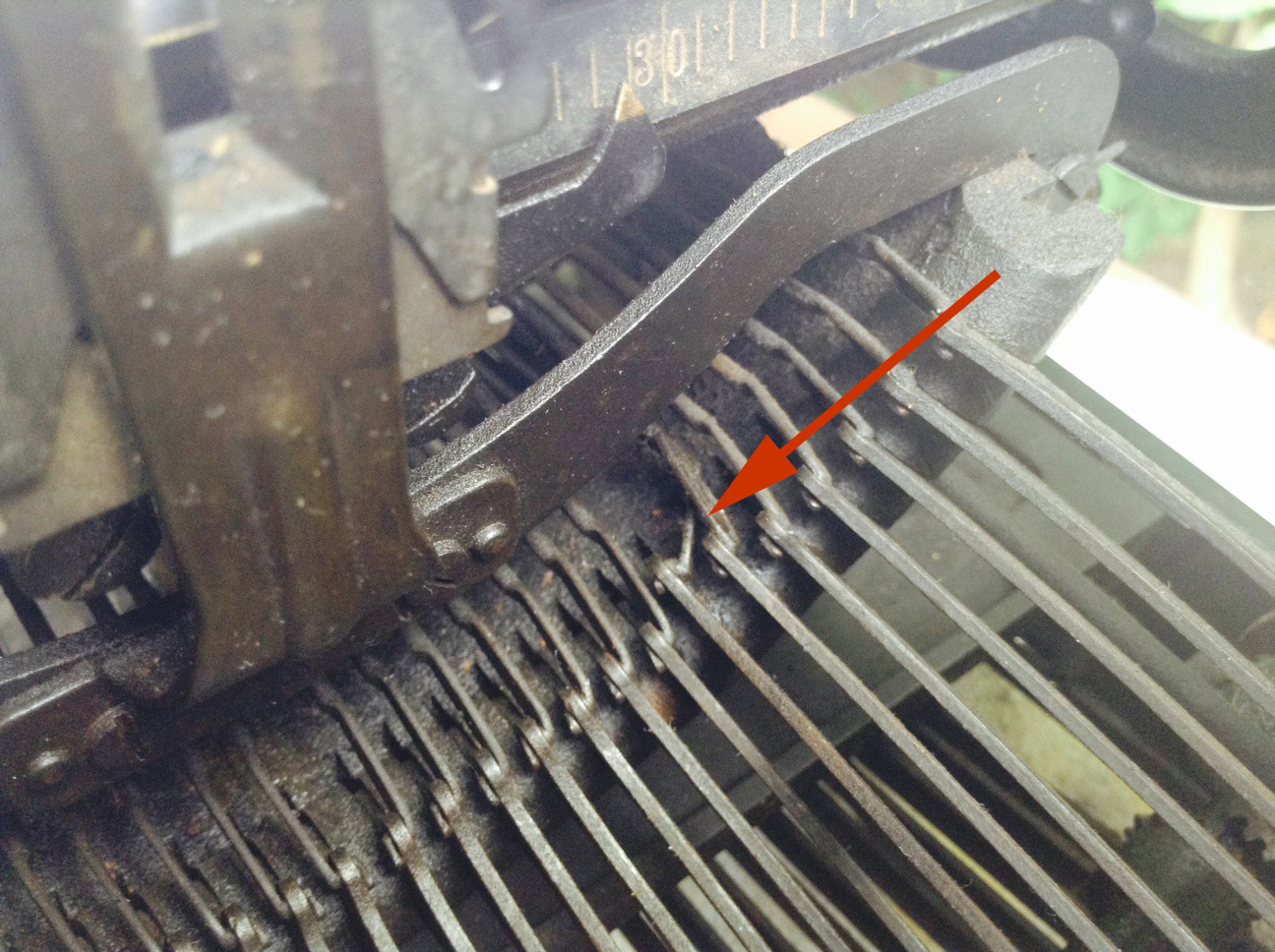
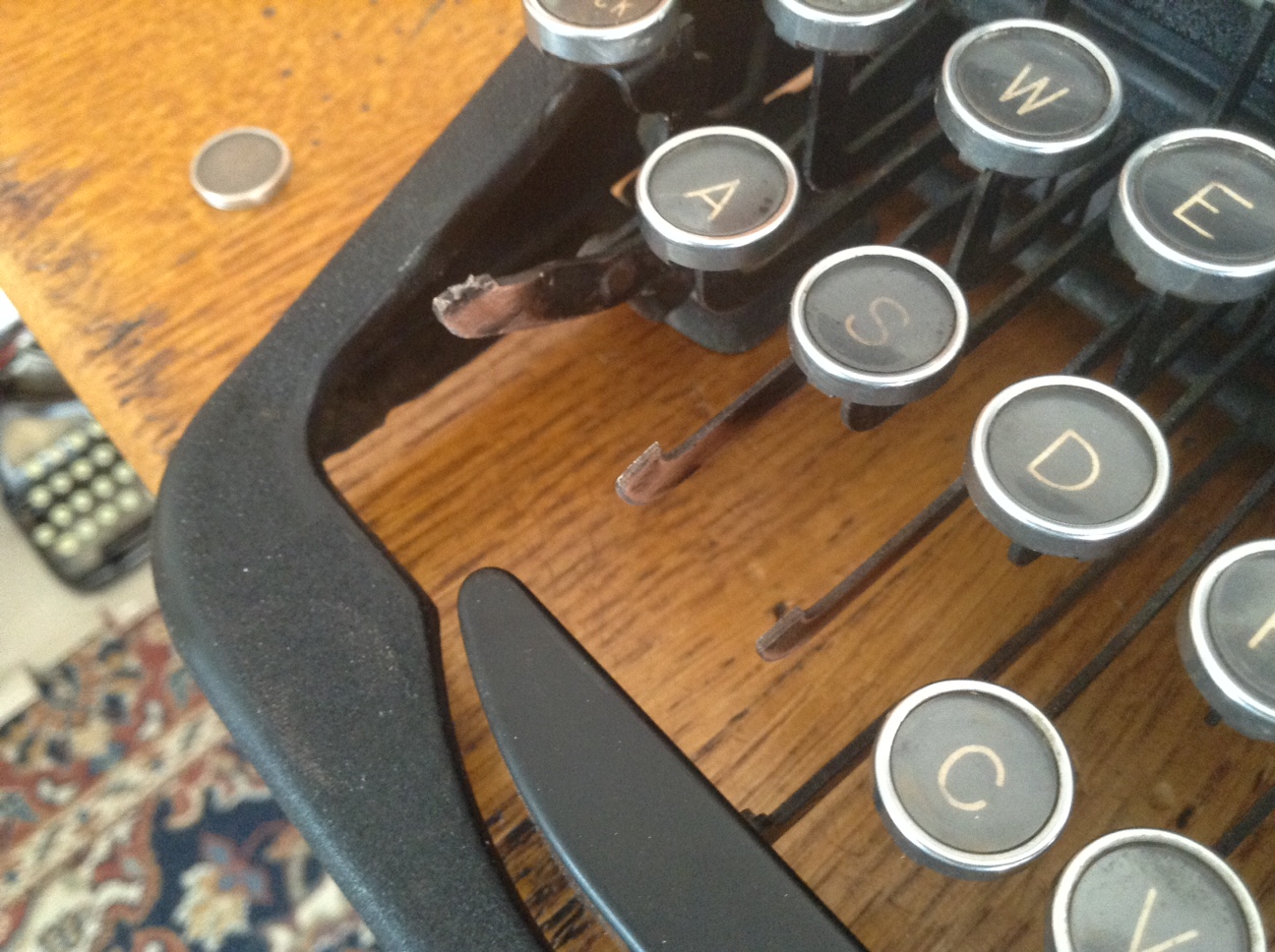
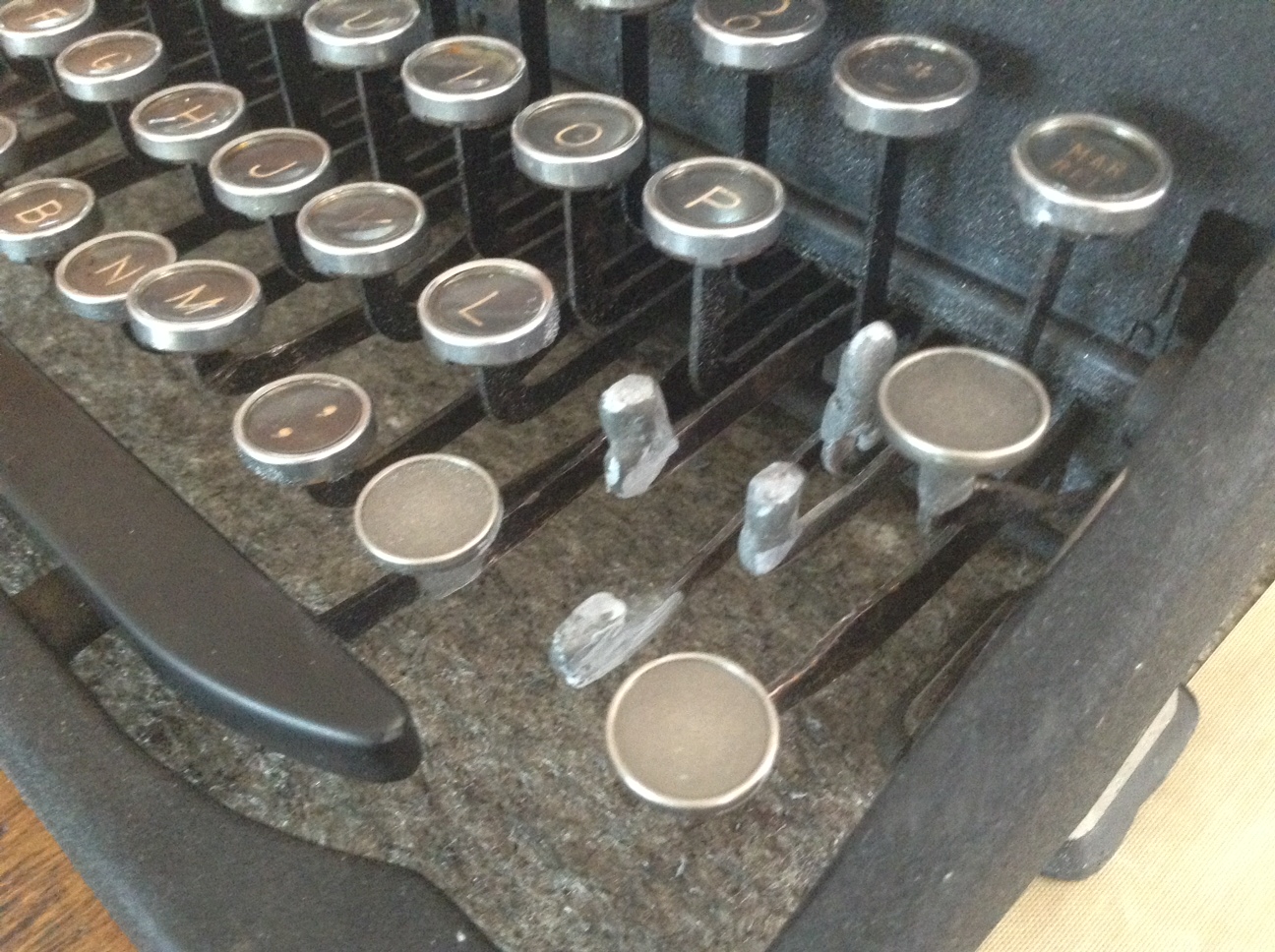
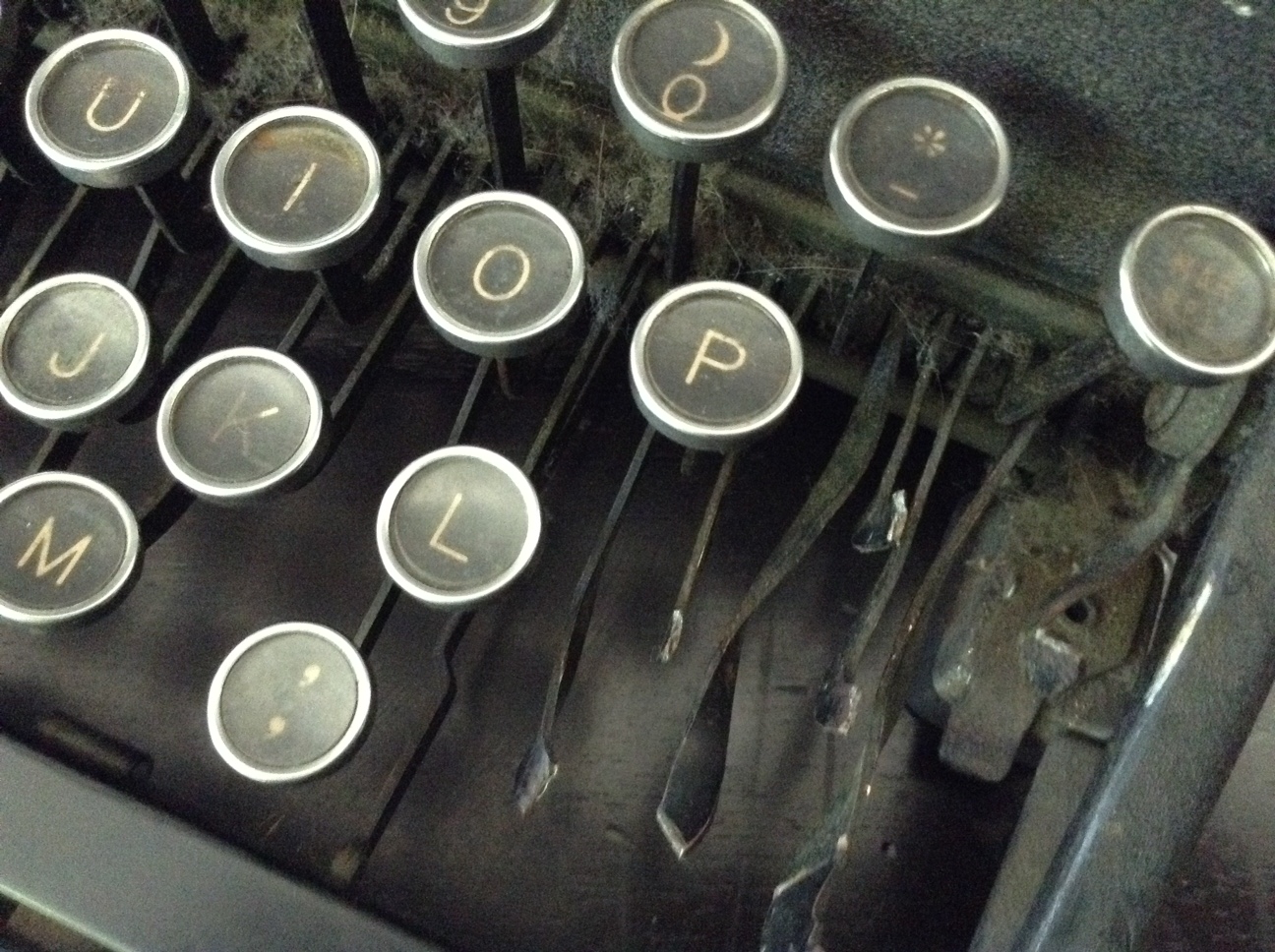
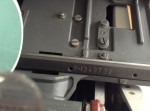
Uh oh.

IMG_3818

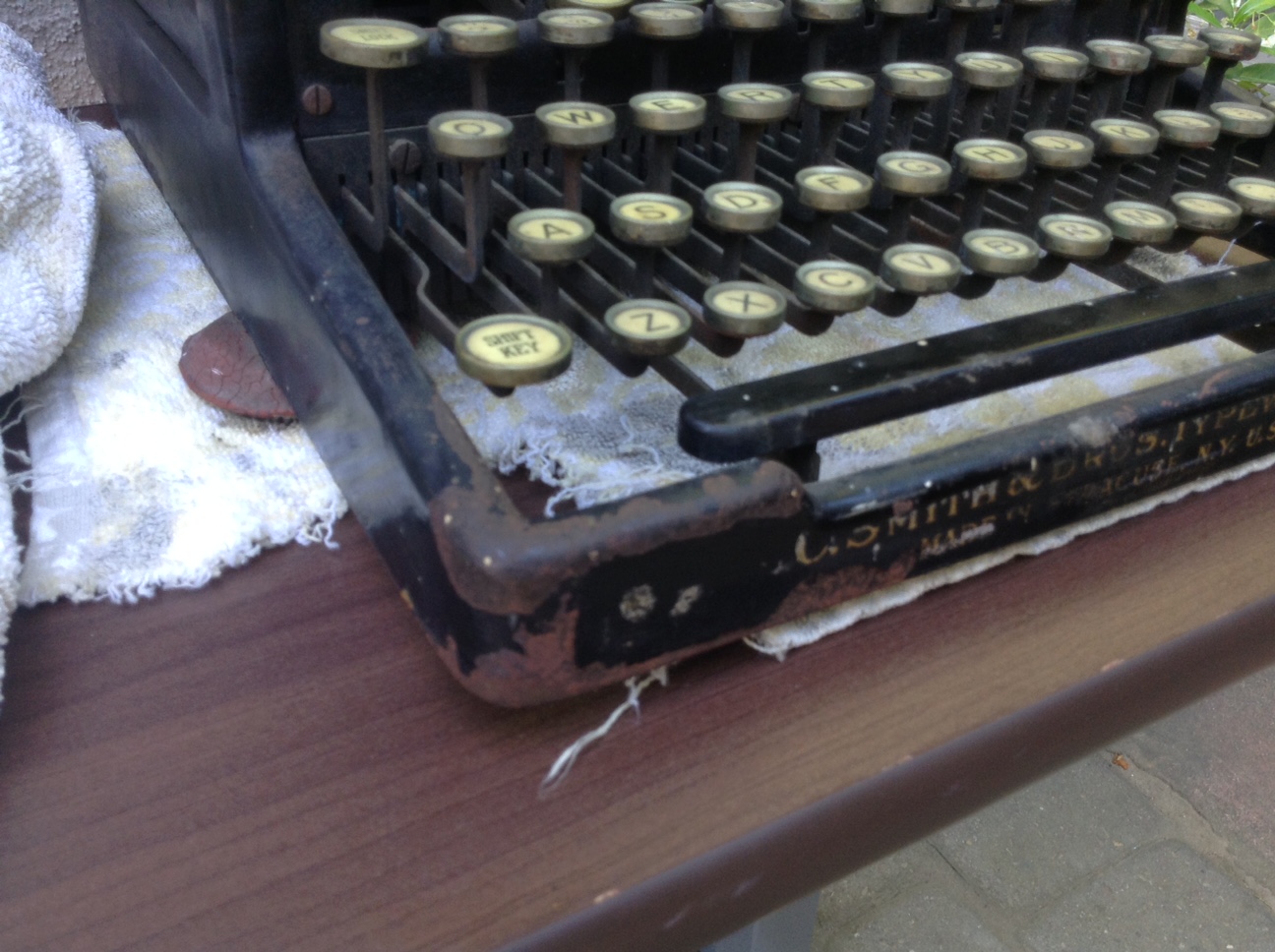
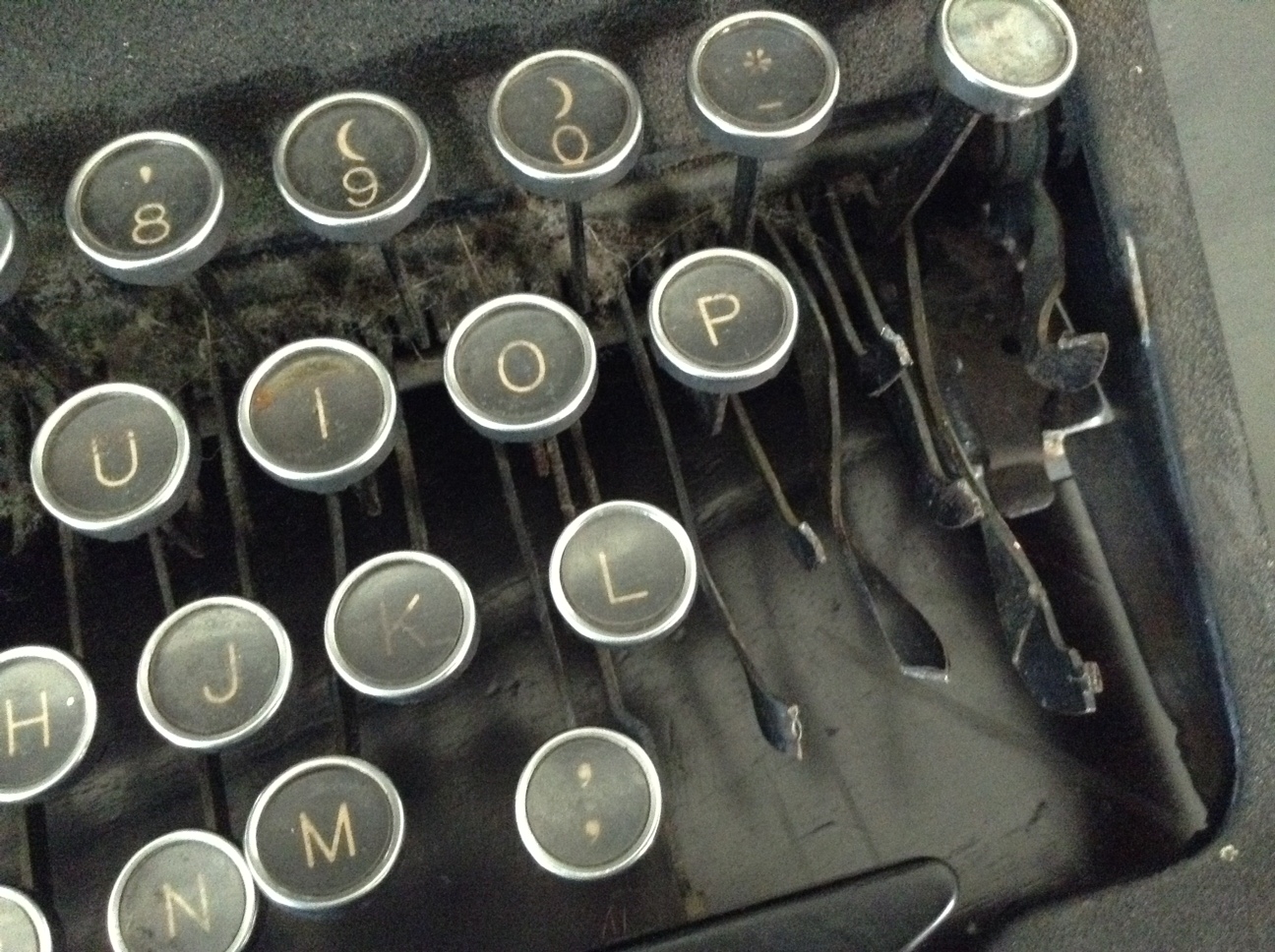
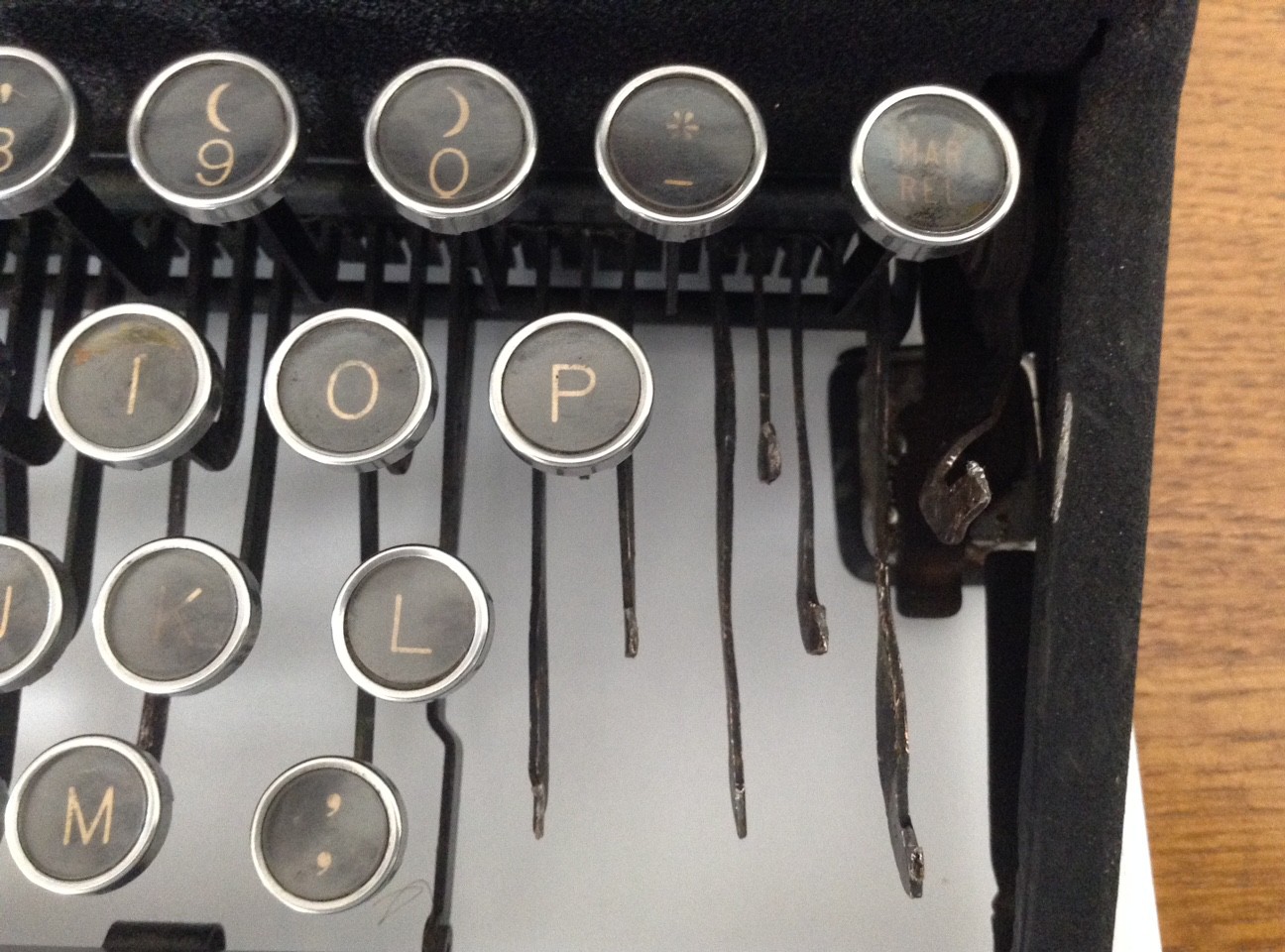
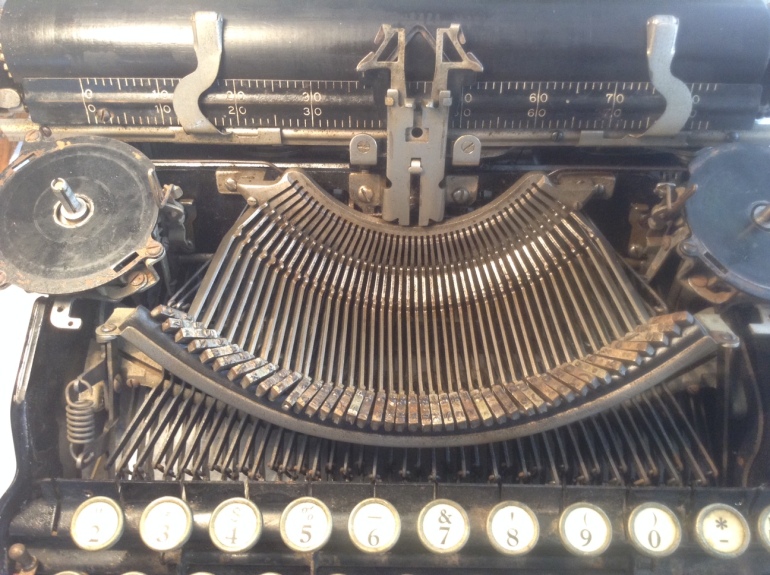
What is wrong with people?  You know, we are living in a SOCIETY.

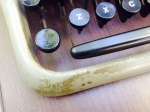
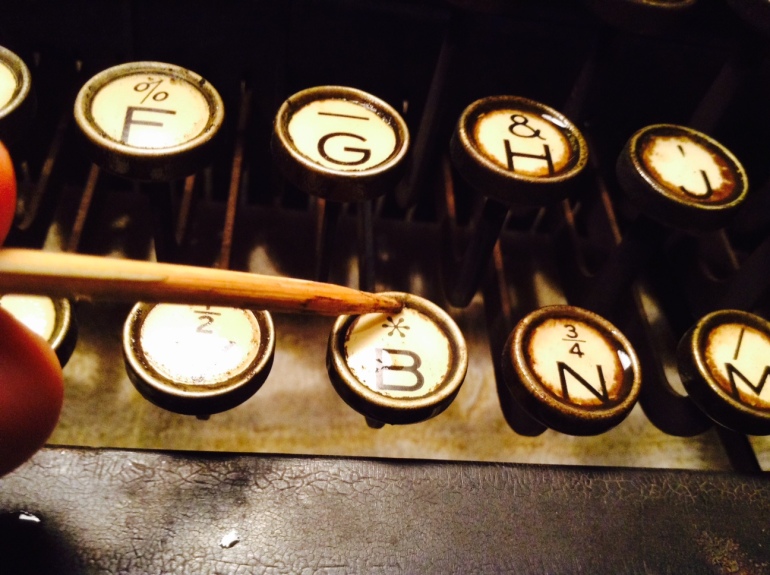
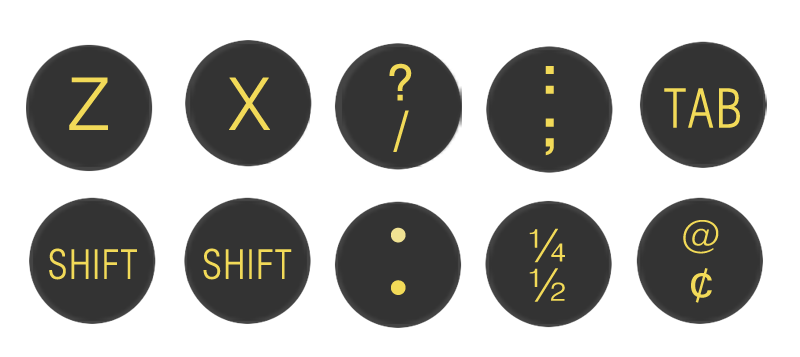
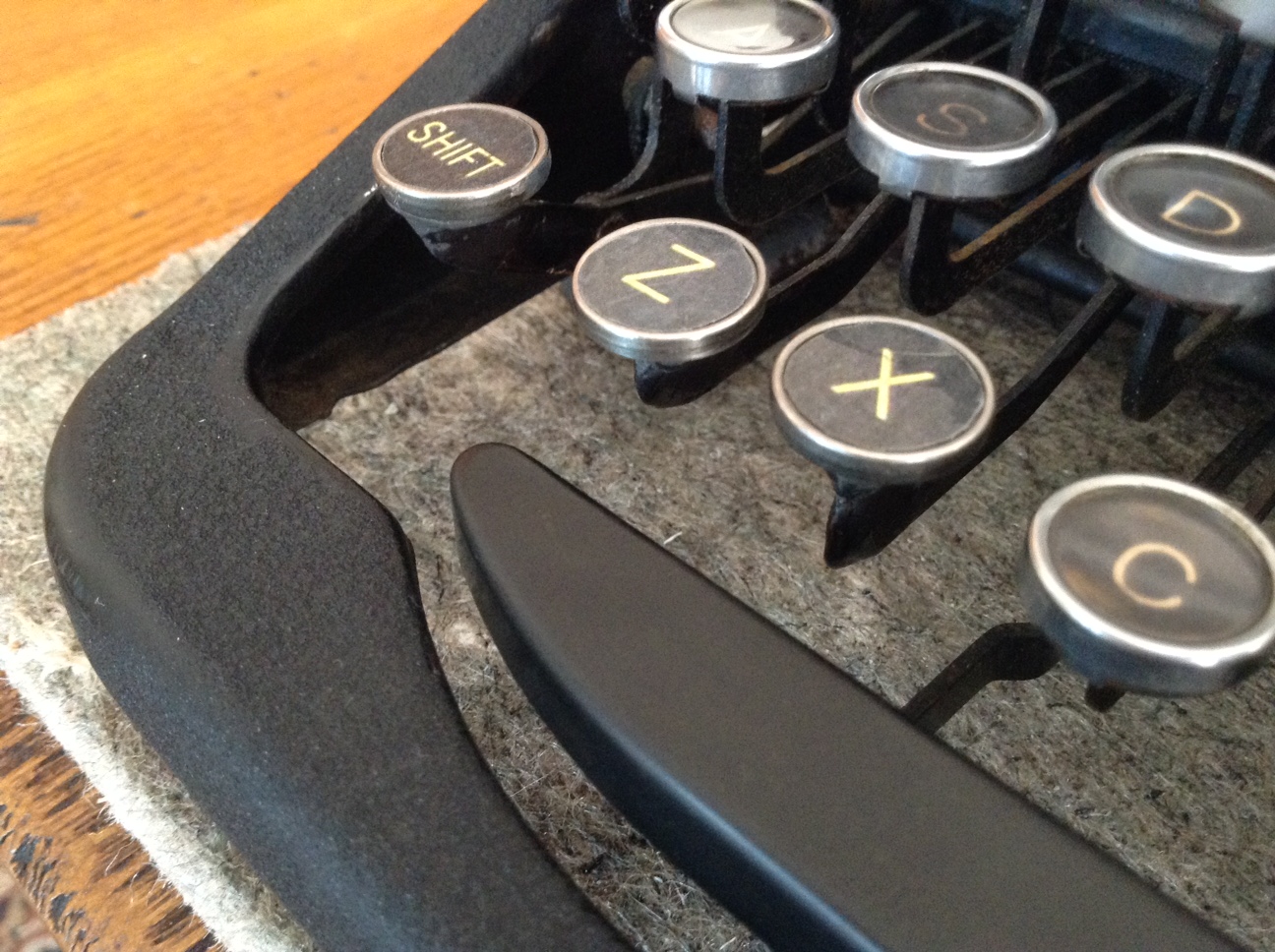
I left the shop feeling irritated not just at the key-chopping but at the sheer half-assedness of the evil doing. It appears that the chopper took a few keys, got bored and quit. And they took the Shift Freedom keys.  So mean.
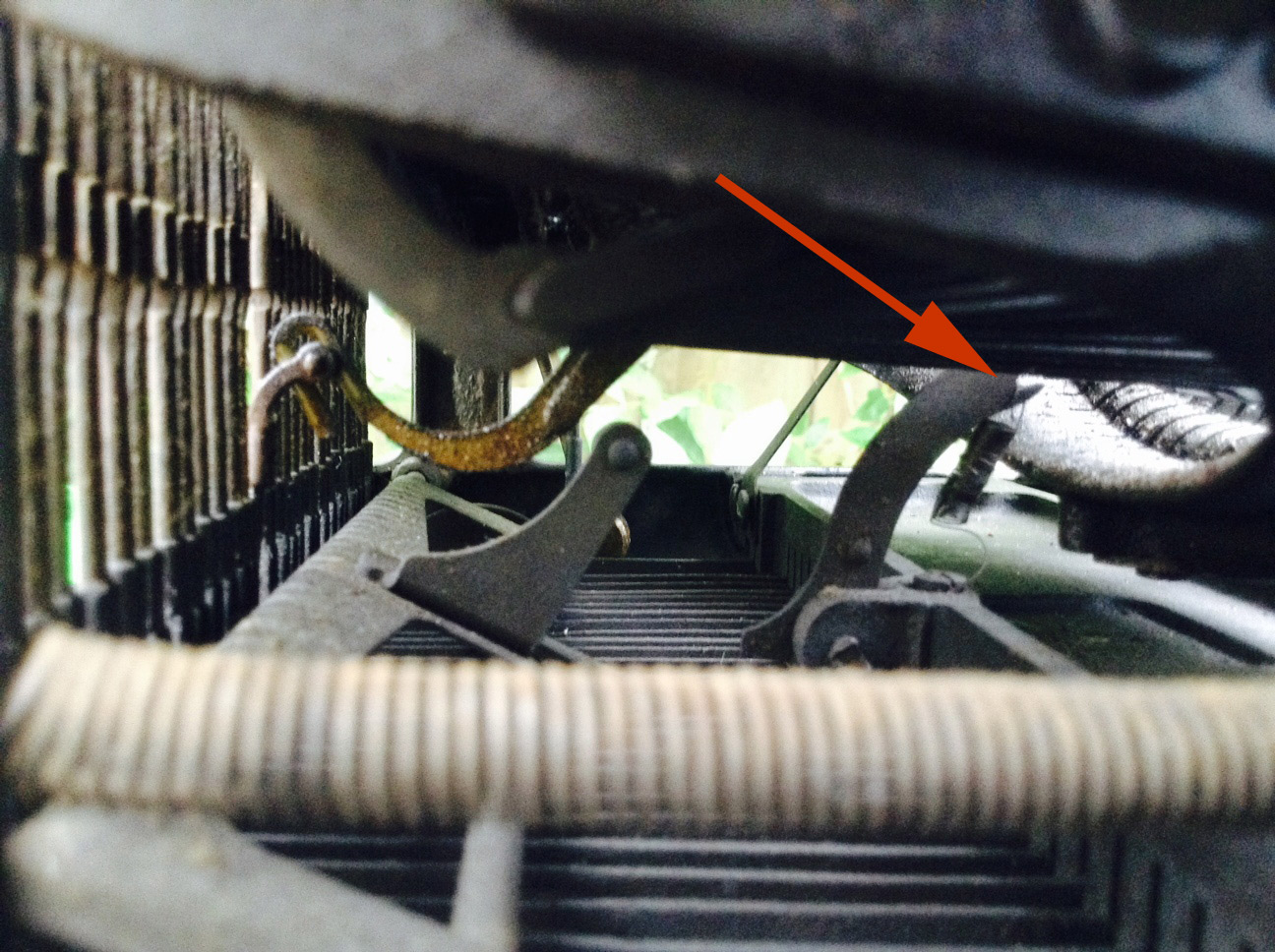
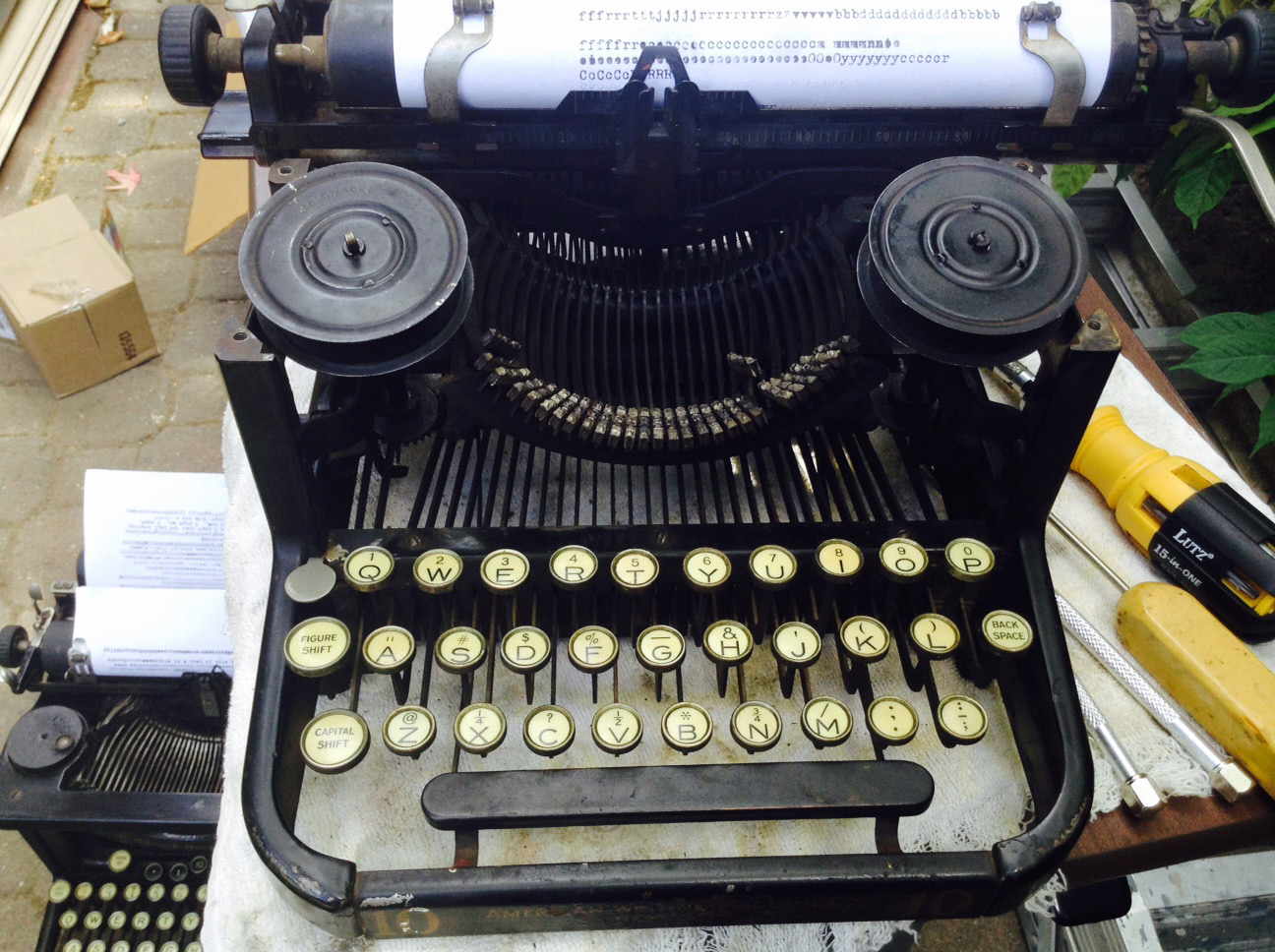
I thought about the typewriter all day. Its ultimate fate would probably be to have the remaining keys clipped off and the body dumped in a scrap heap.  NO. IT SHALL NOT BE. Not while I have $30 in my pocket!

I went back and took the Royal Aristocrat into protective custody.

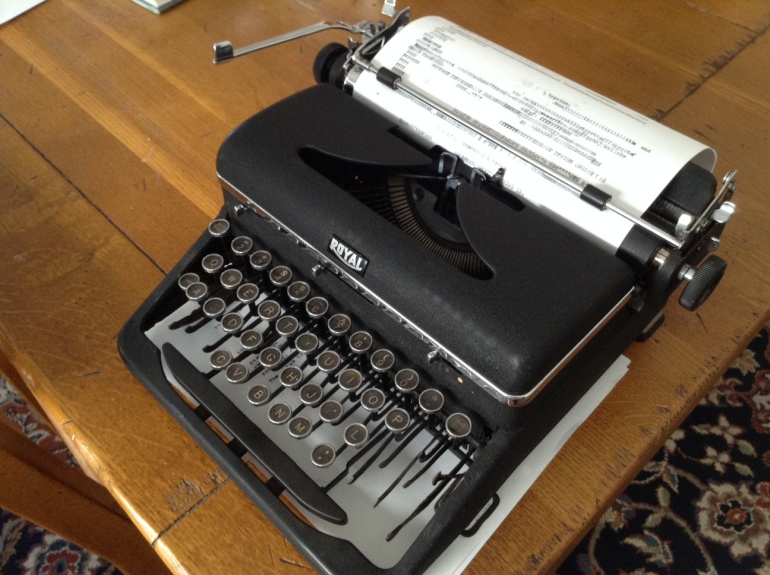
1939 Royal Aristocrat
S/N B-889364


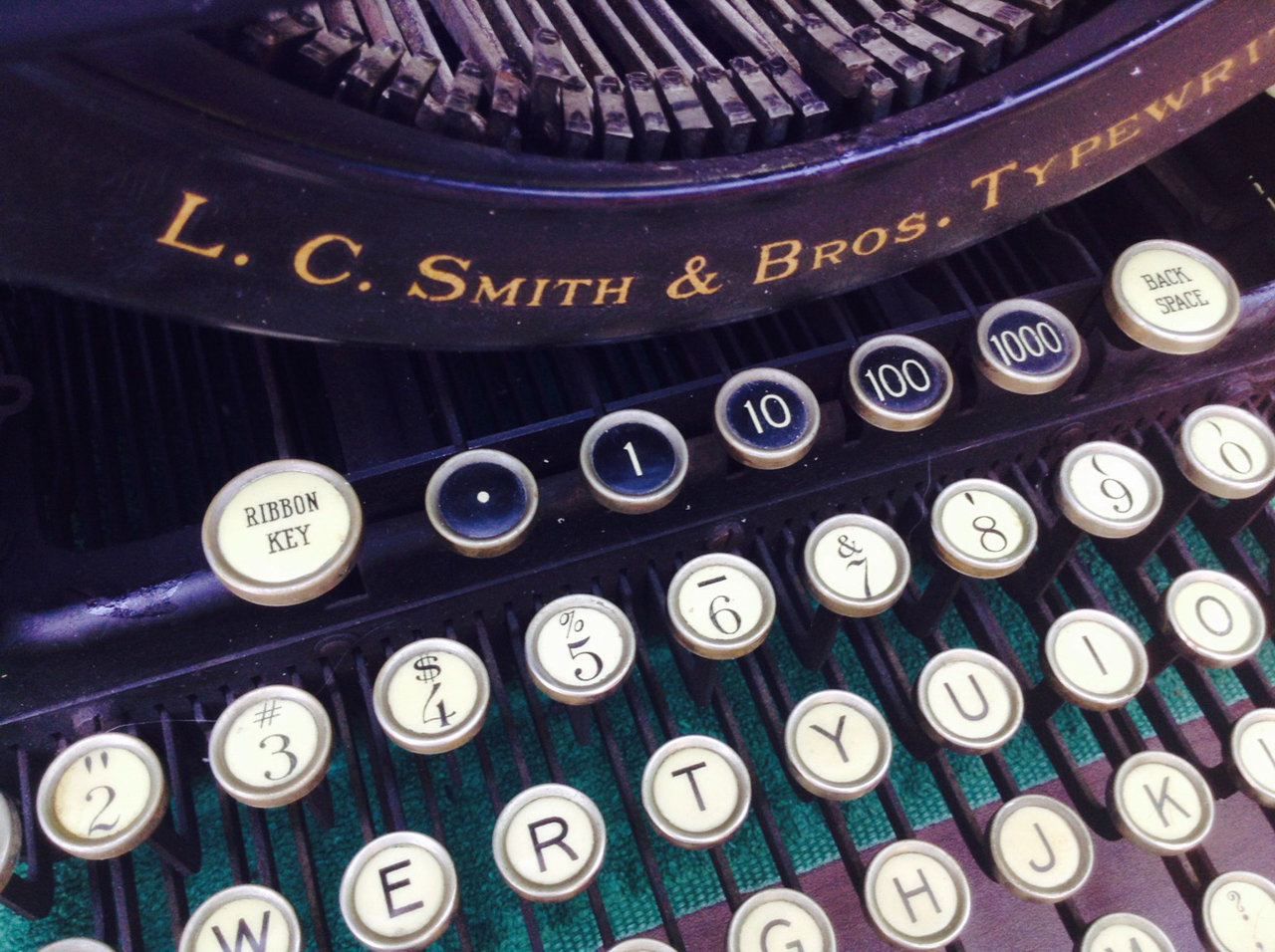
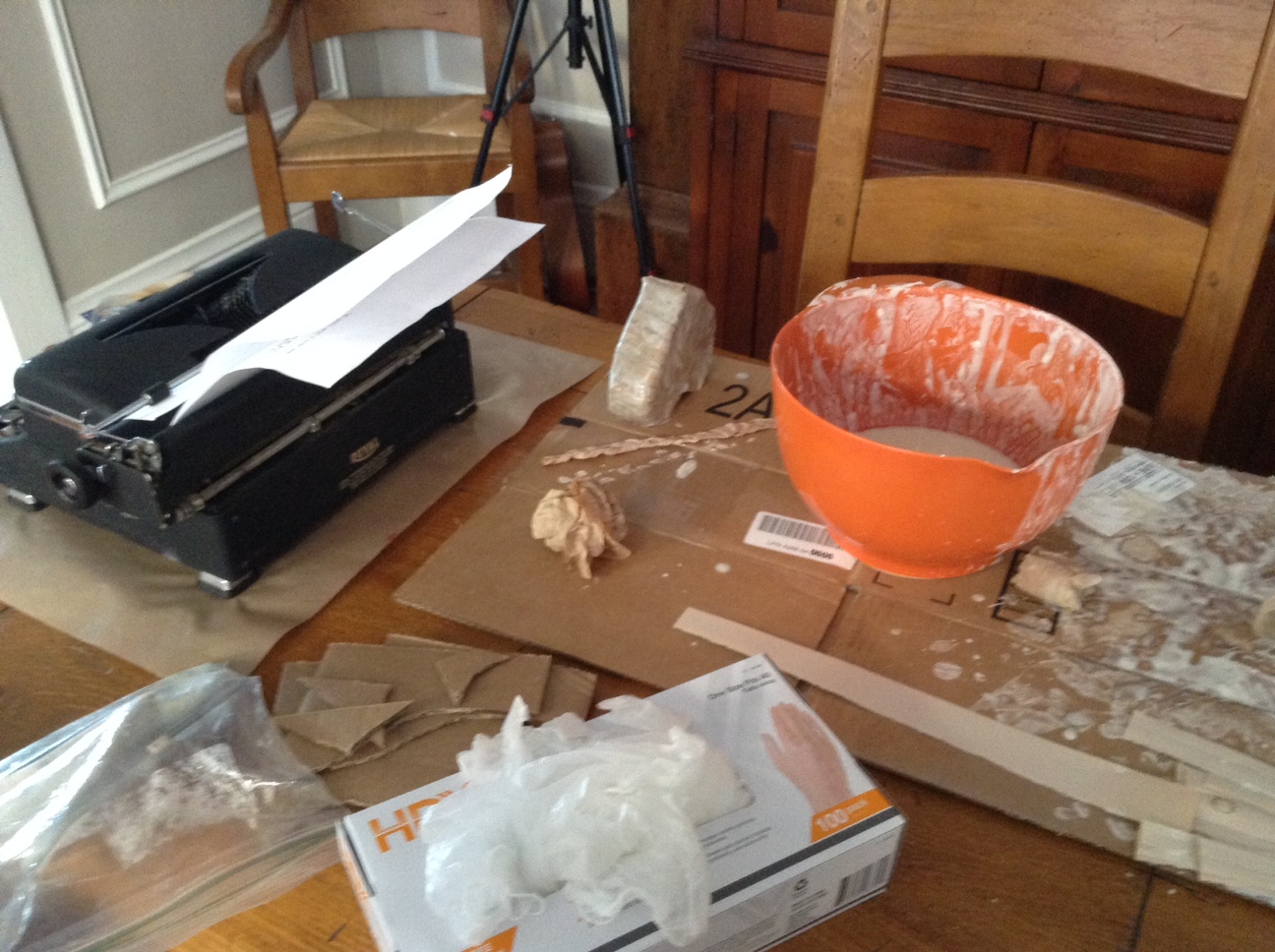
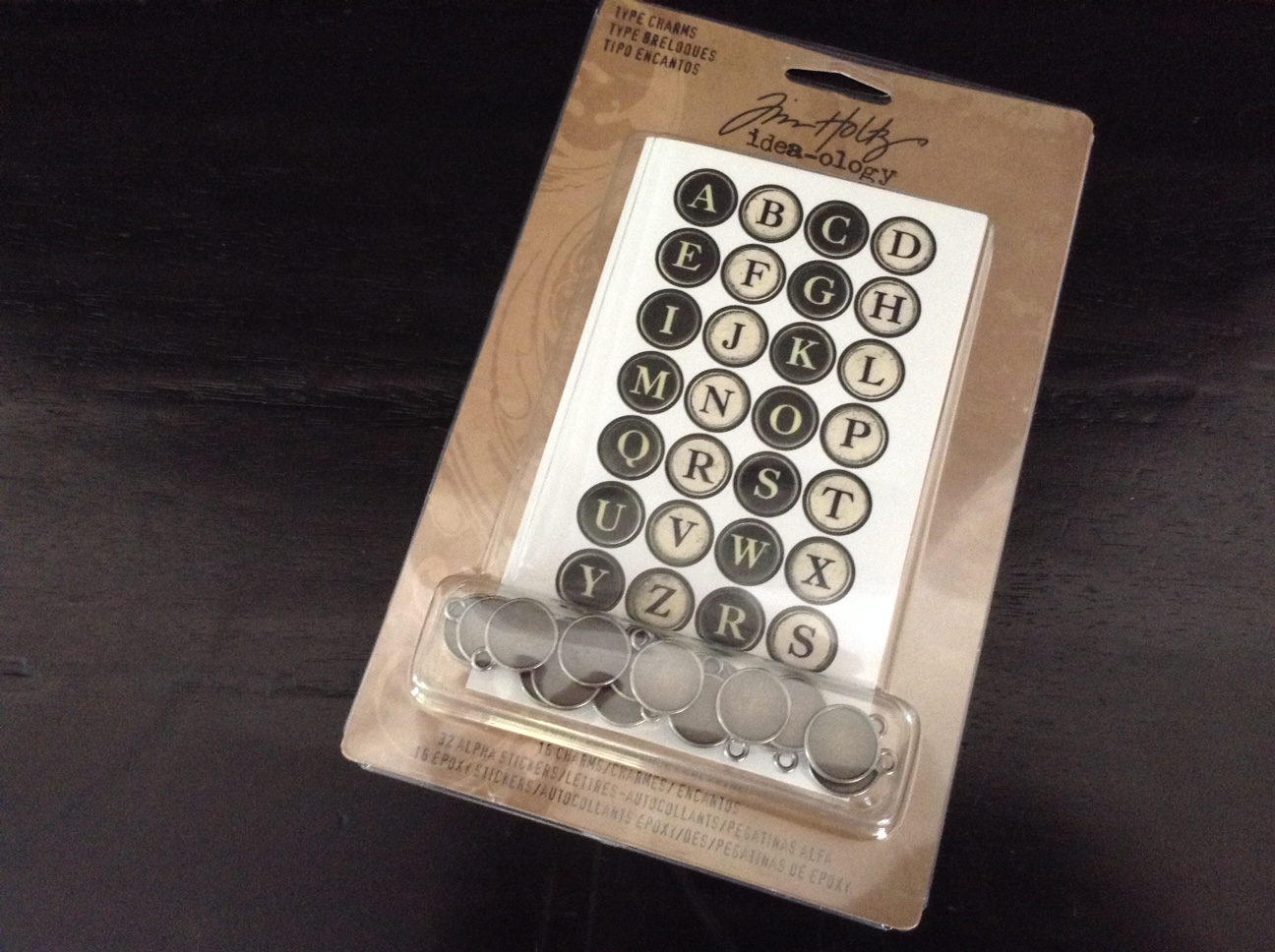
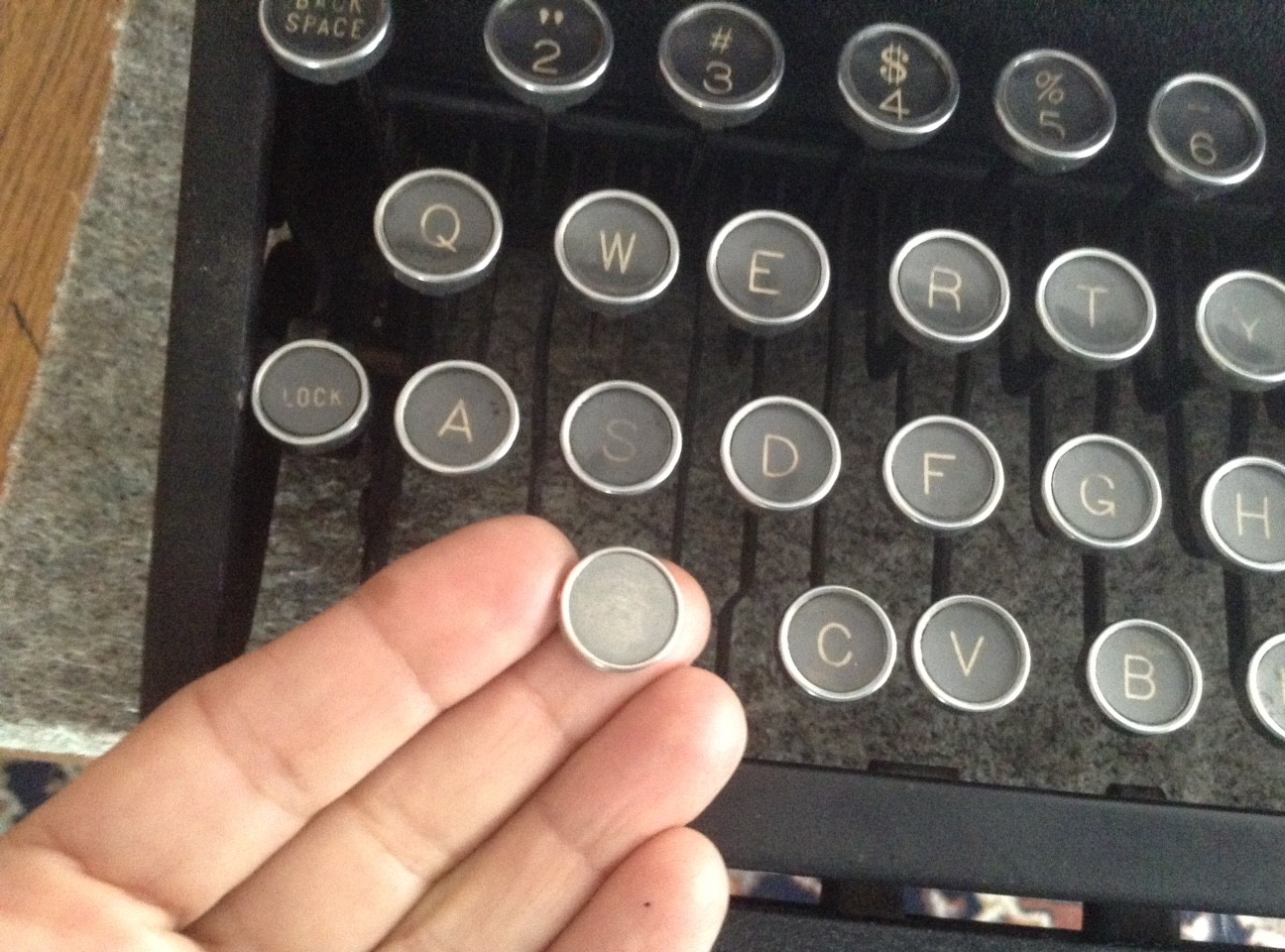
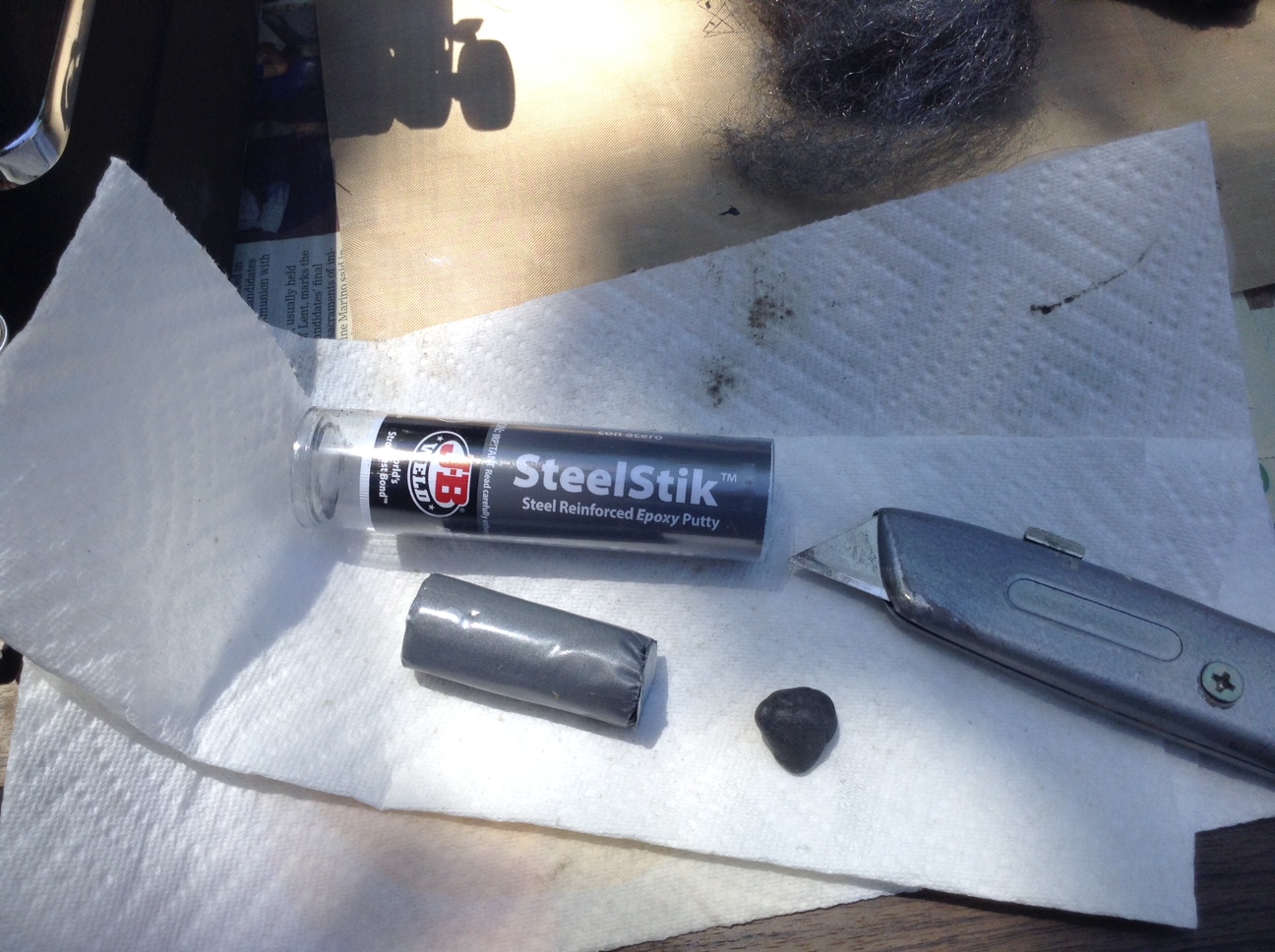
About those missing key tops:  a clever typospherian at Typewriter Talk salvaged a key-chopped typewriter with faux craft keys.  I swung by my Joann Fabrics and picked up similar items for $5.00:
IMG_3824

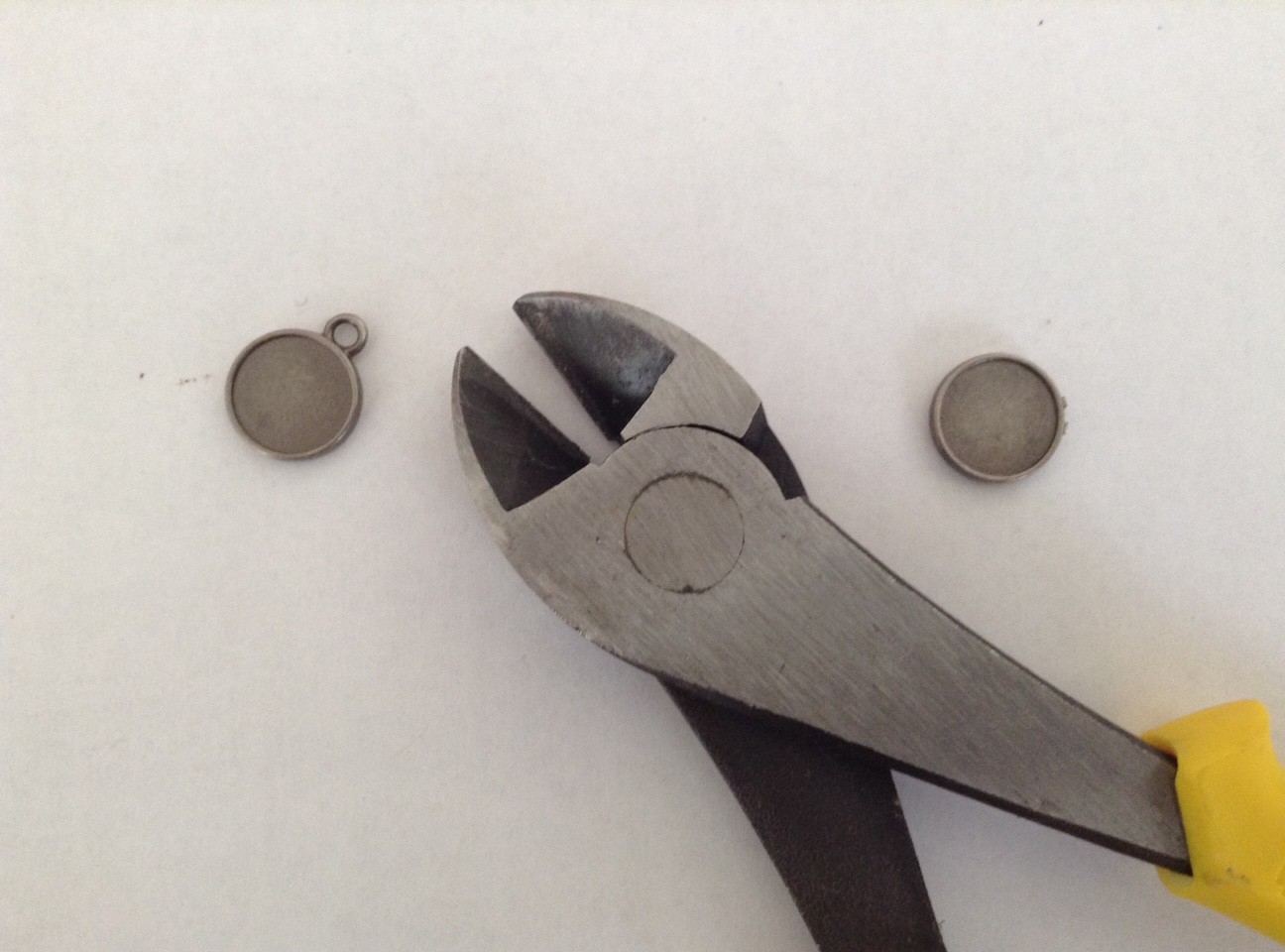
I’ll clip off the loops on the faux keys, print out Royal Aristocrat style letters and attach the faux keys to the broken stems…somehow.
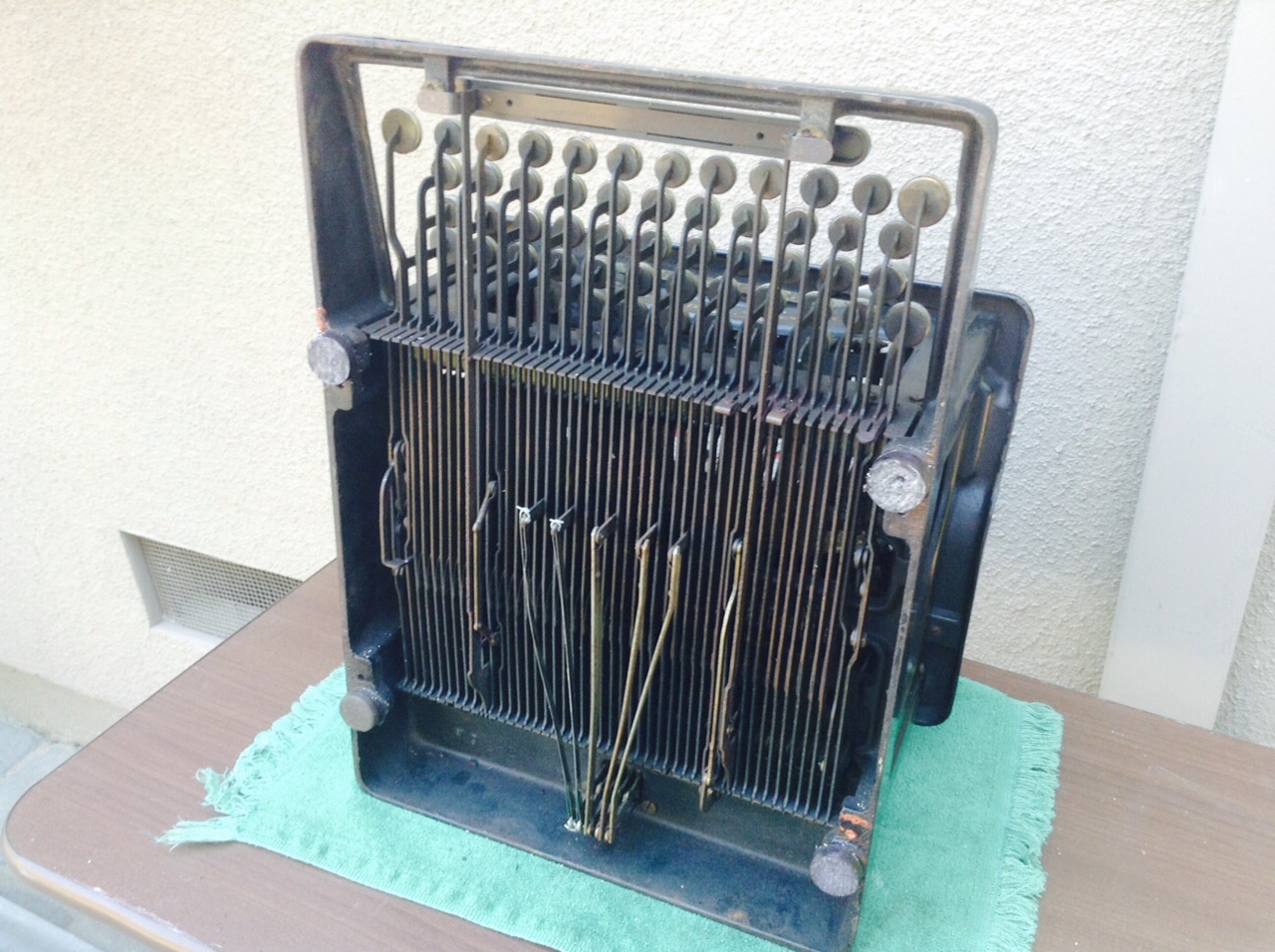
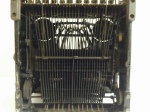
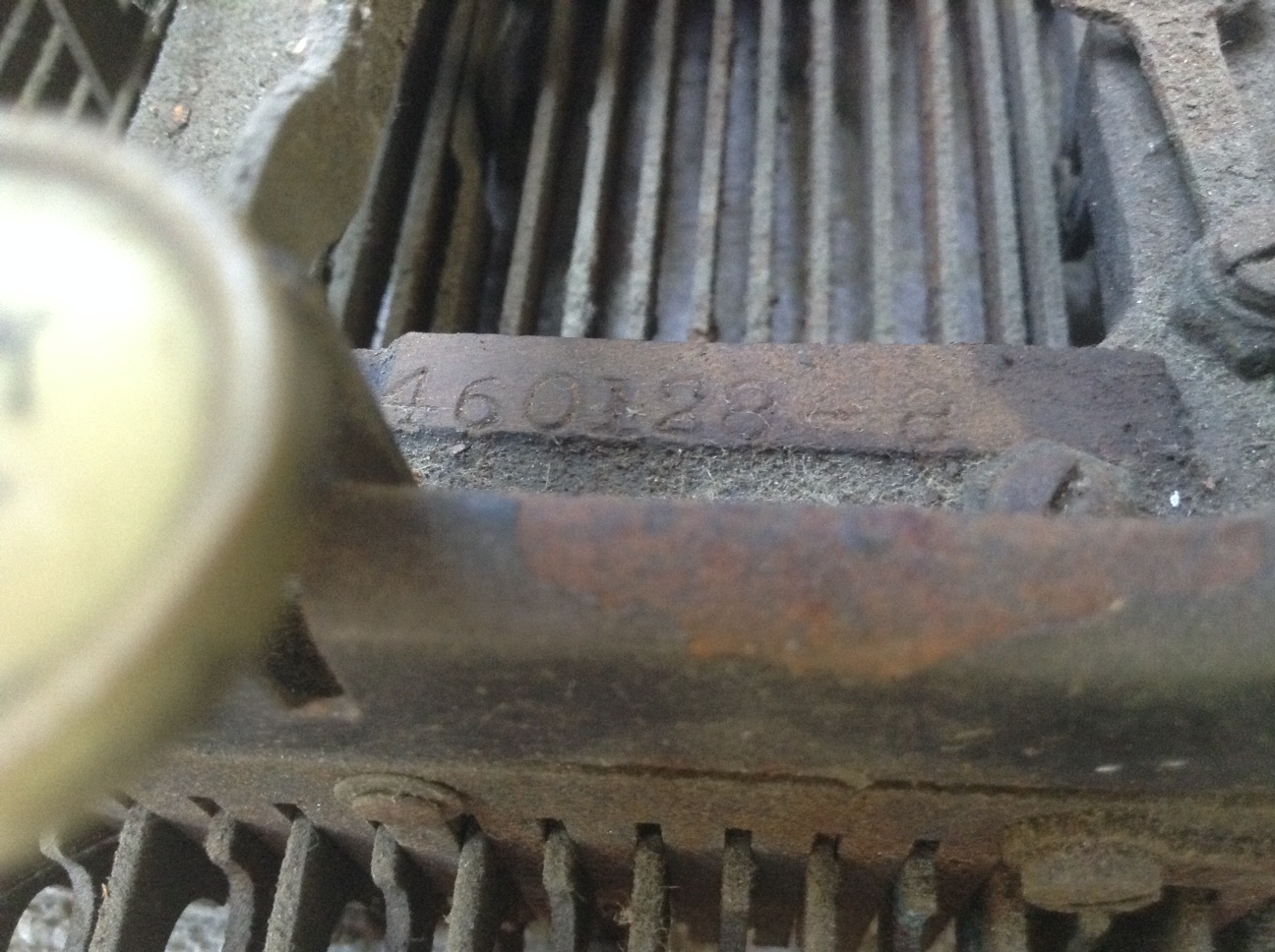
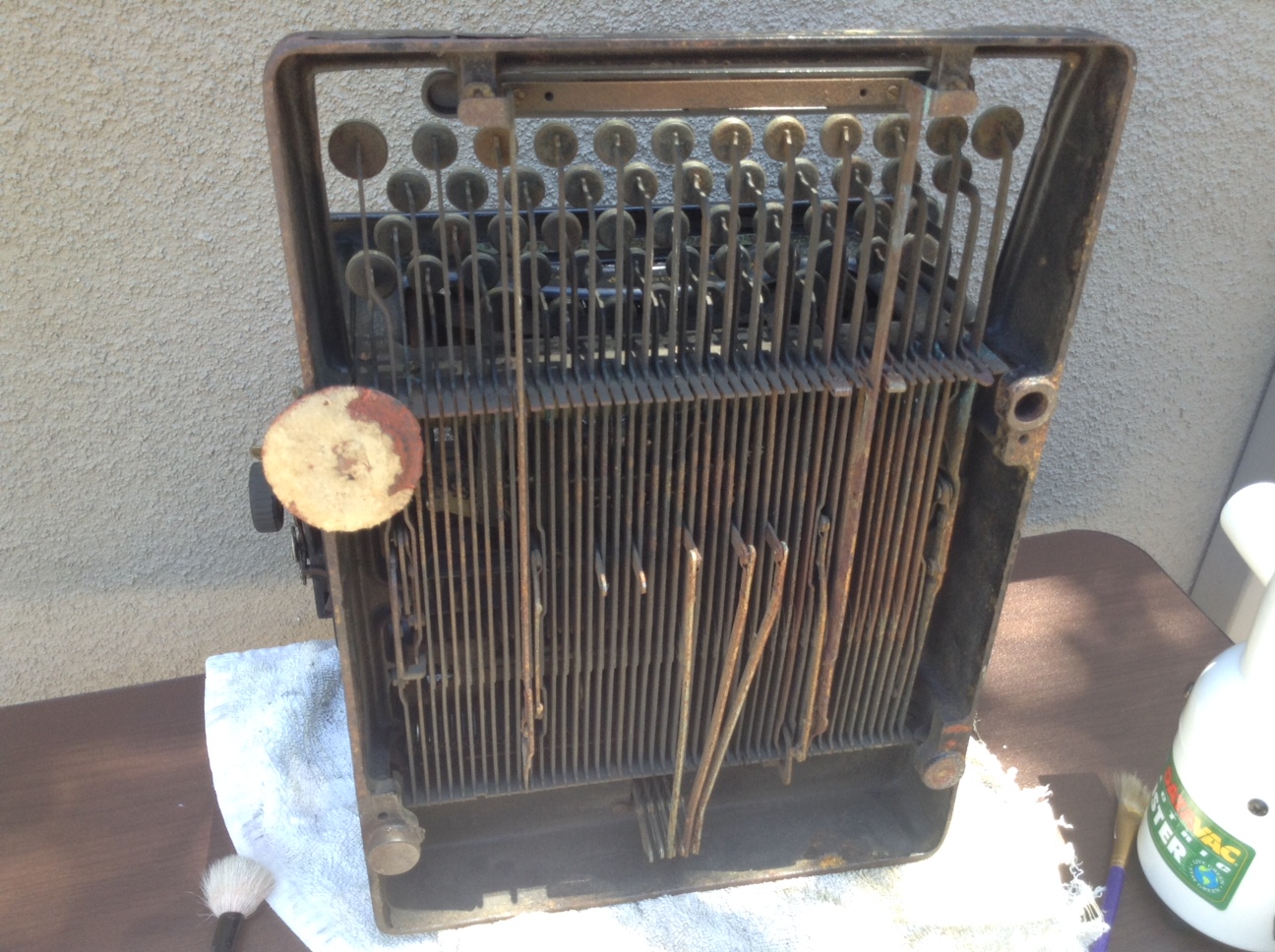
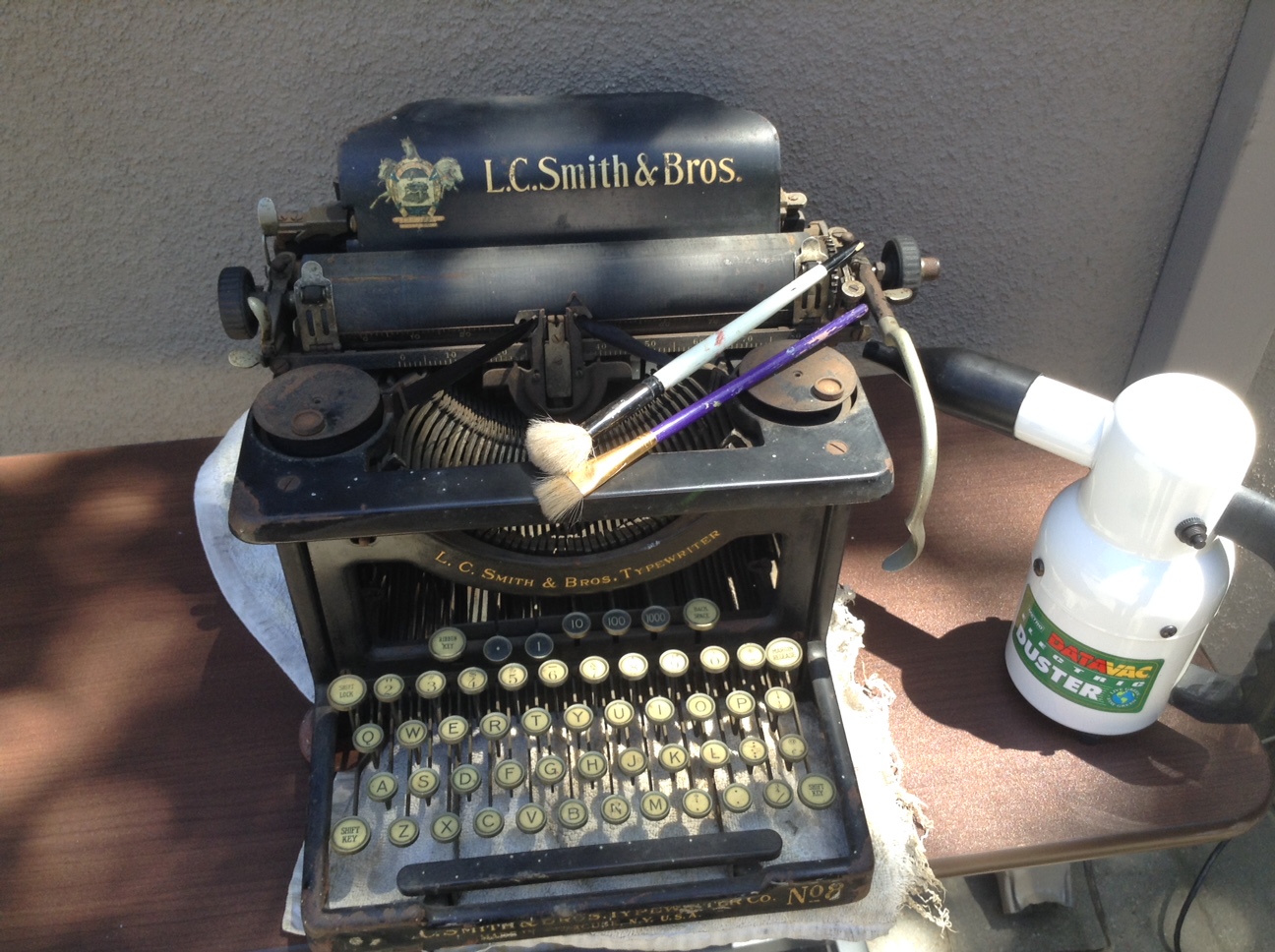
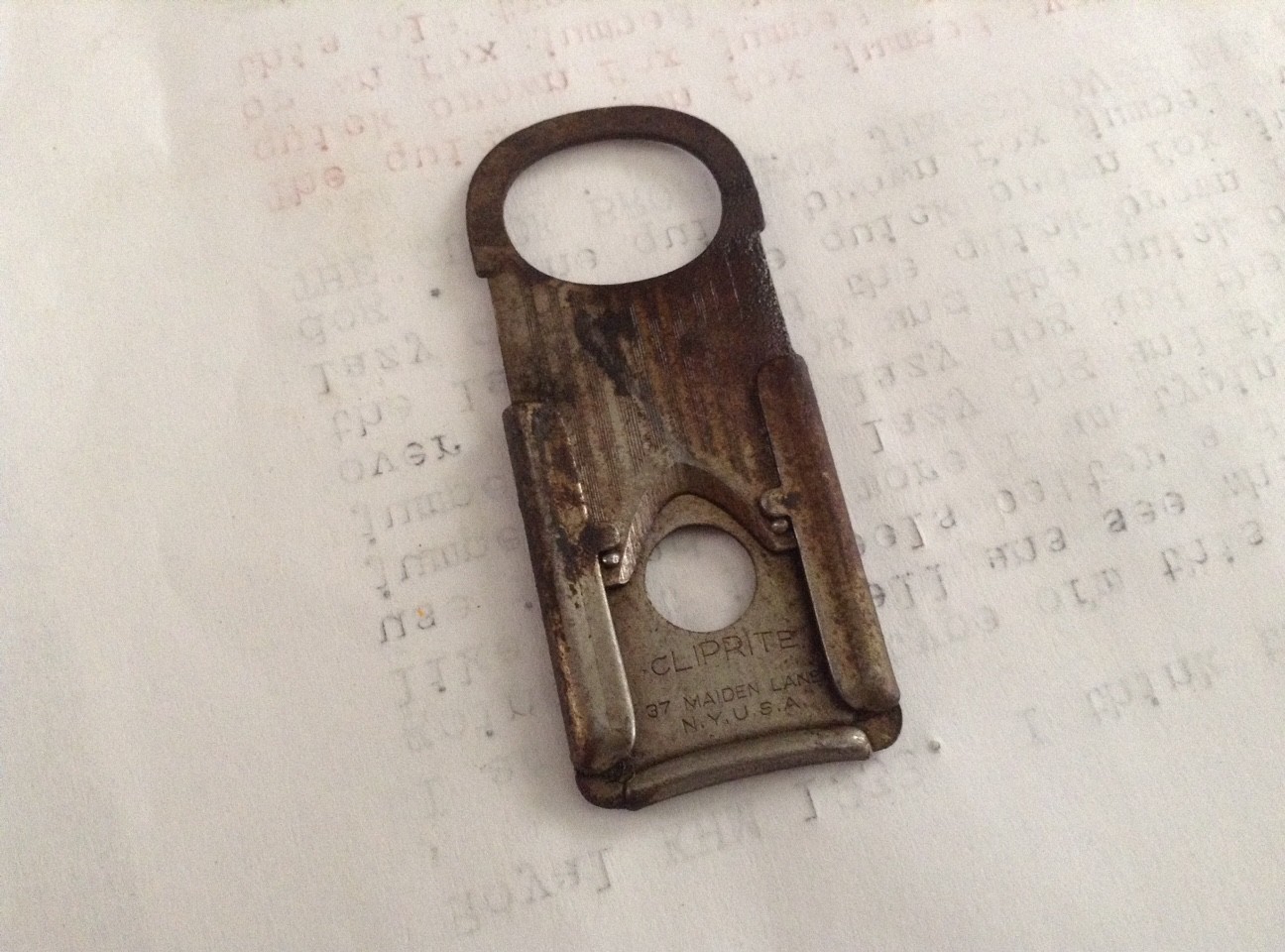
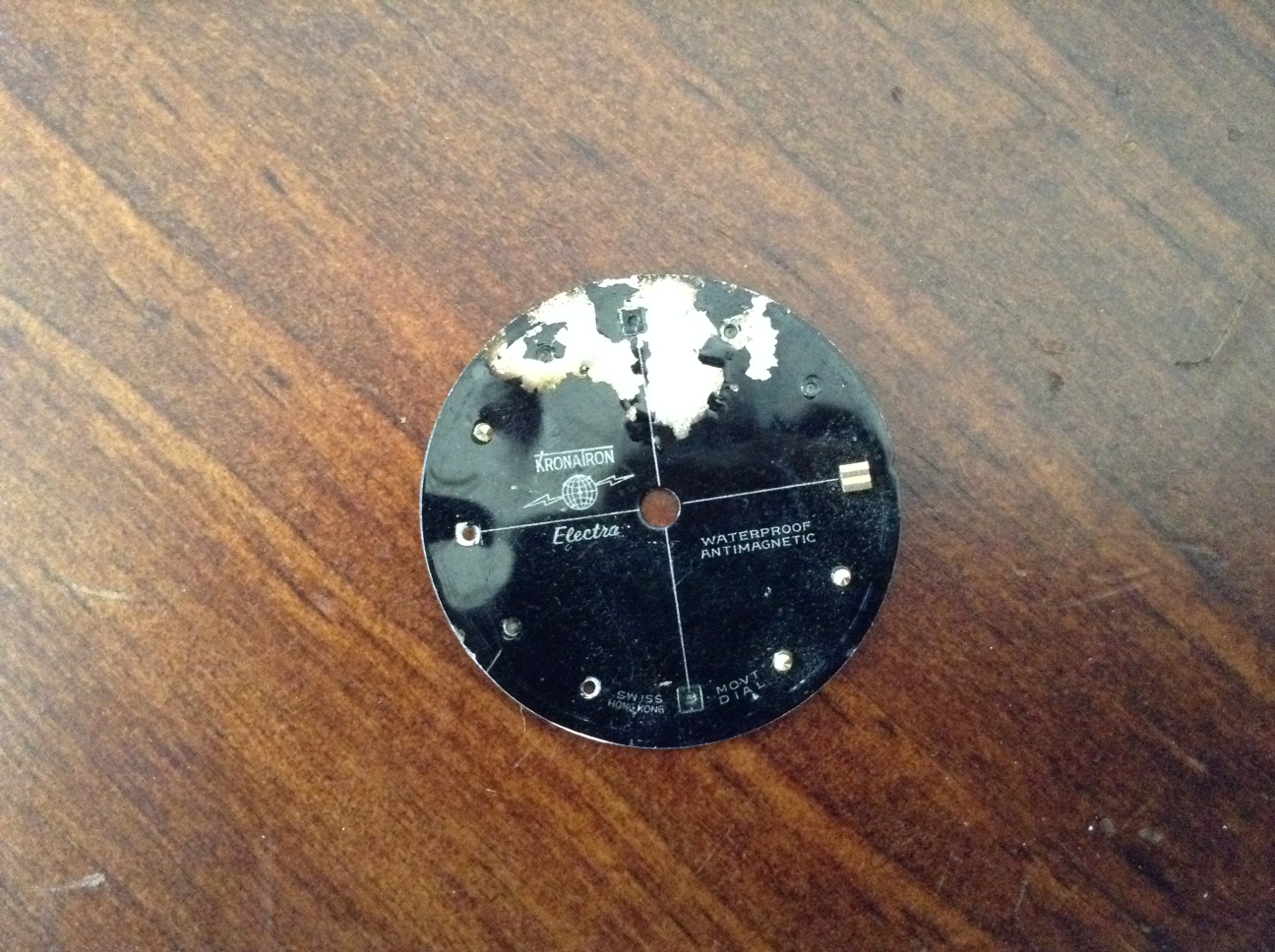
Last thing: did I mention that she is really dirty? I had problems finding the serial number because it was under a layer of filth.  Anyhow, while I was turning her over trying to find the serial number, a piece of metal fell out. Oh lordie – where does that go?  Fortunately, it wasn’t a typewriter part, but an old watch face that fell out.  What other secrets do you hold, Aristocrat?

Not a part of the typewriter.  Whew.

Not a part of the typewriter. Whew.

M-m-m-my Corona: Draw String on the Loose and I Love TWDB

My Corona 4 seemed like a hopeless case.  I confess there was a weak moment when I was tempted to put her in a box and donate her to Words Are Winged – that fellow has a knack for dismantling, reassembling and documenting old typewriters.

Rusty, grimy, and jammed, the Corona 4 still had a winning personality and bedraggled charm, so I continued to work on her.

When I first got the Corona 4, the carriage was frozen in place – it did not move an inch.  I doused it in PB Blaster and let it sit overnight.  The next day, my husband manhandled the Corona, exerting enough force to move the carriage. It loosened up and the carriage began to slide grudgingly along its rails.

The Corona 4 had a scary whistling carriage screech that put the Edison talking doll to shame.

As you can see, I had a very sticky carriage and hitting the shift key left the carriage hanging in the air – I had to push the carriage down manually after I hit the shift key.

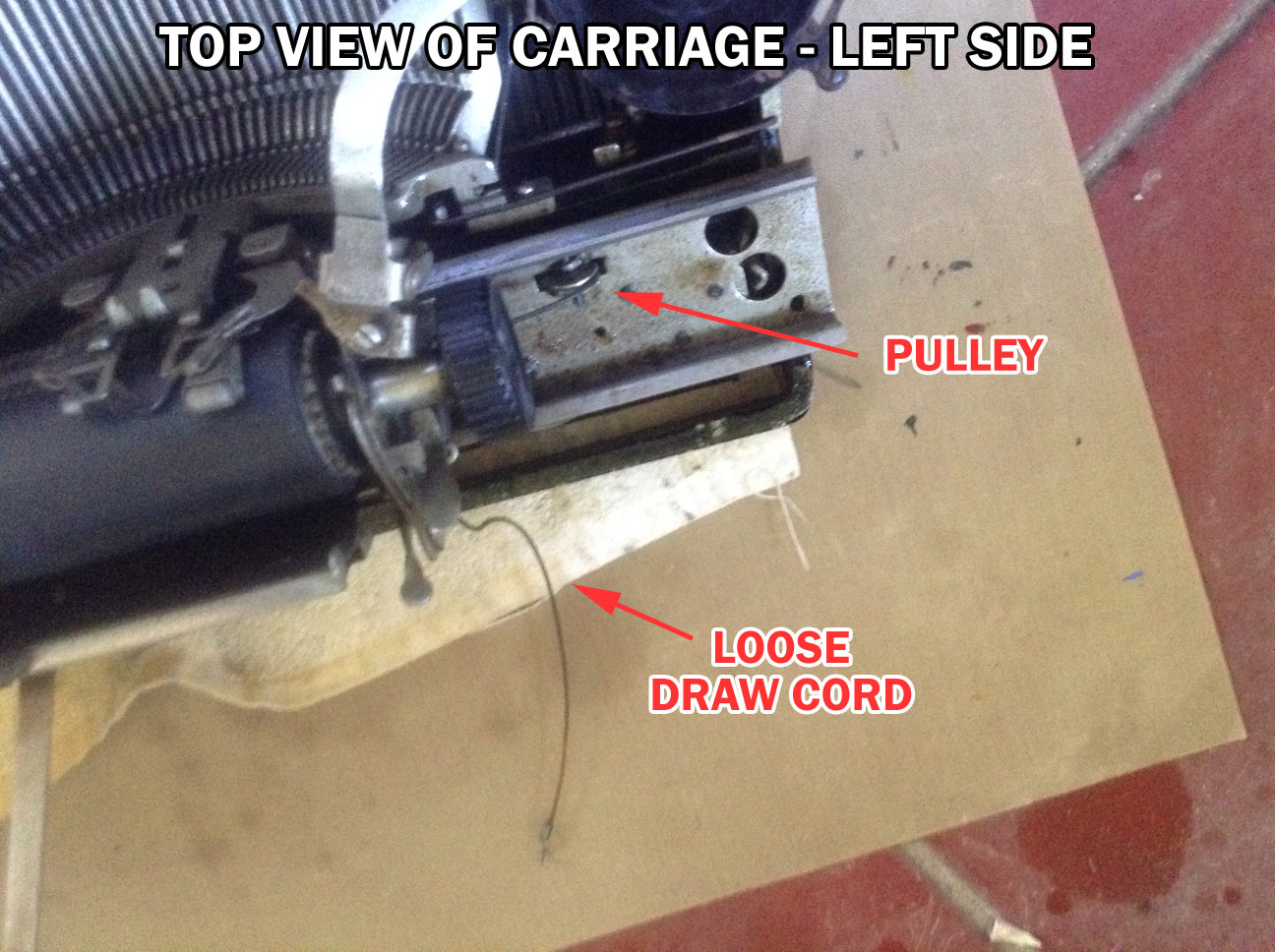
After I could move the carriage, I found the draw cord all tangled up under the carriage.  It must have come off at some point in life and the carriage rusted into place.

loose-cord

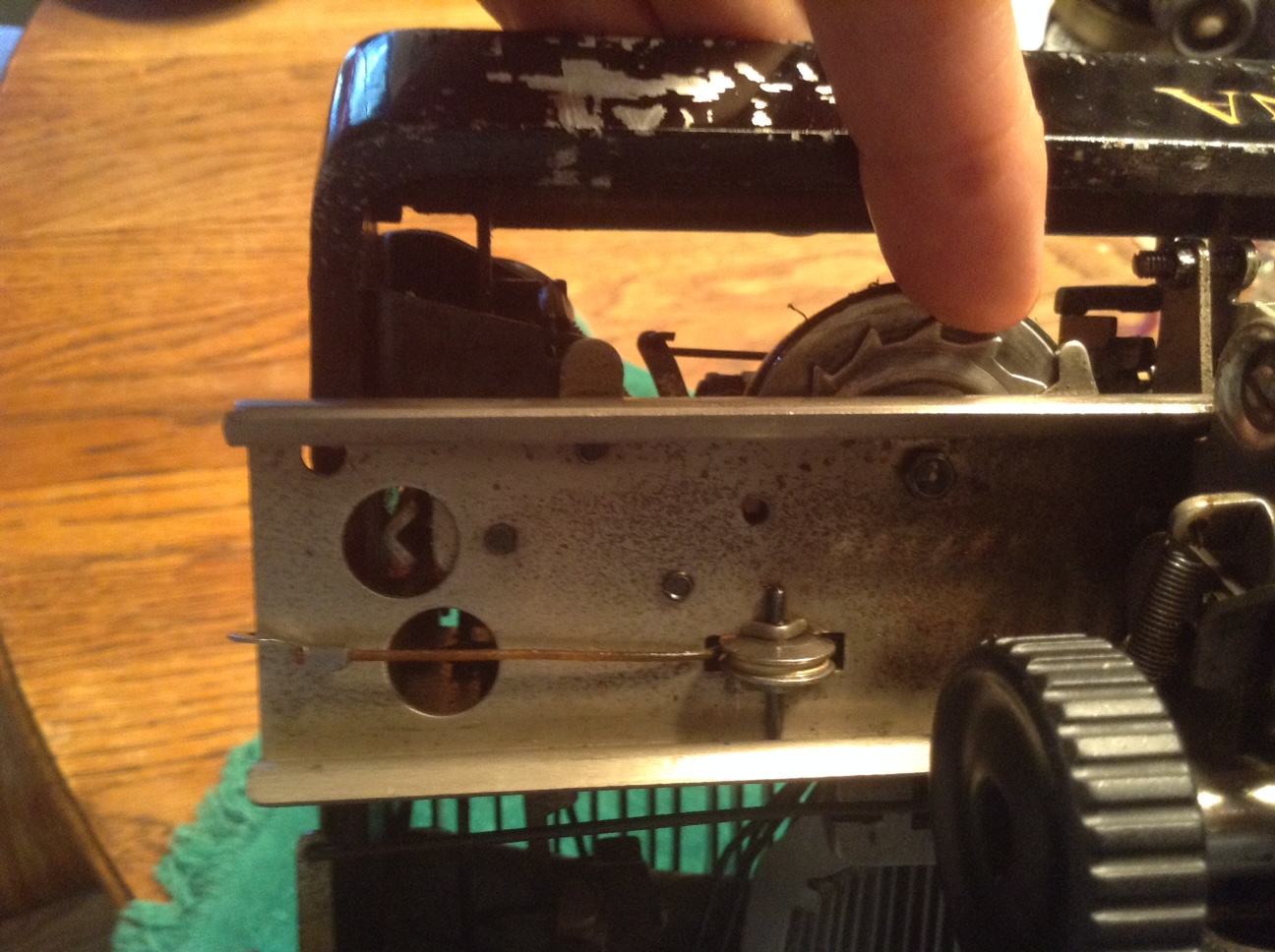
When I was finally able to move the carriage back and forth the draw cord with its hook slipped down to the pulley area.

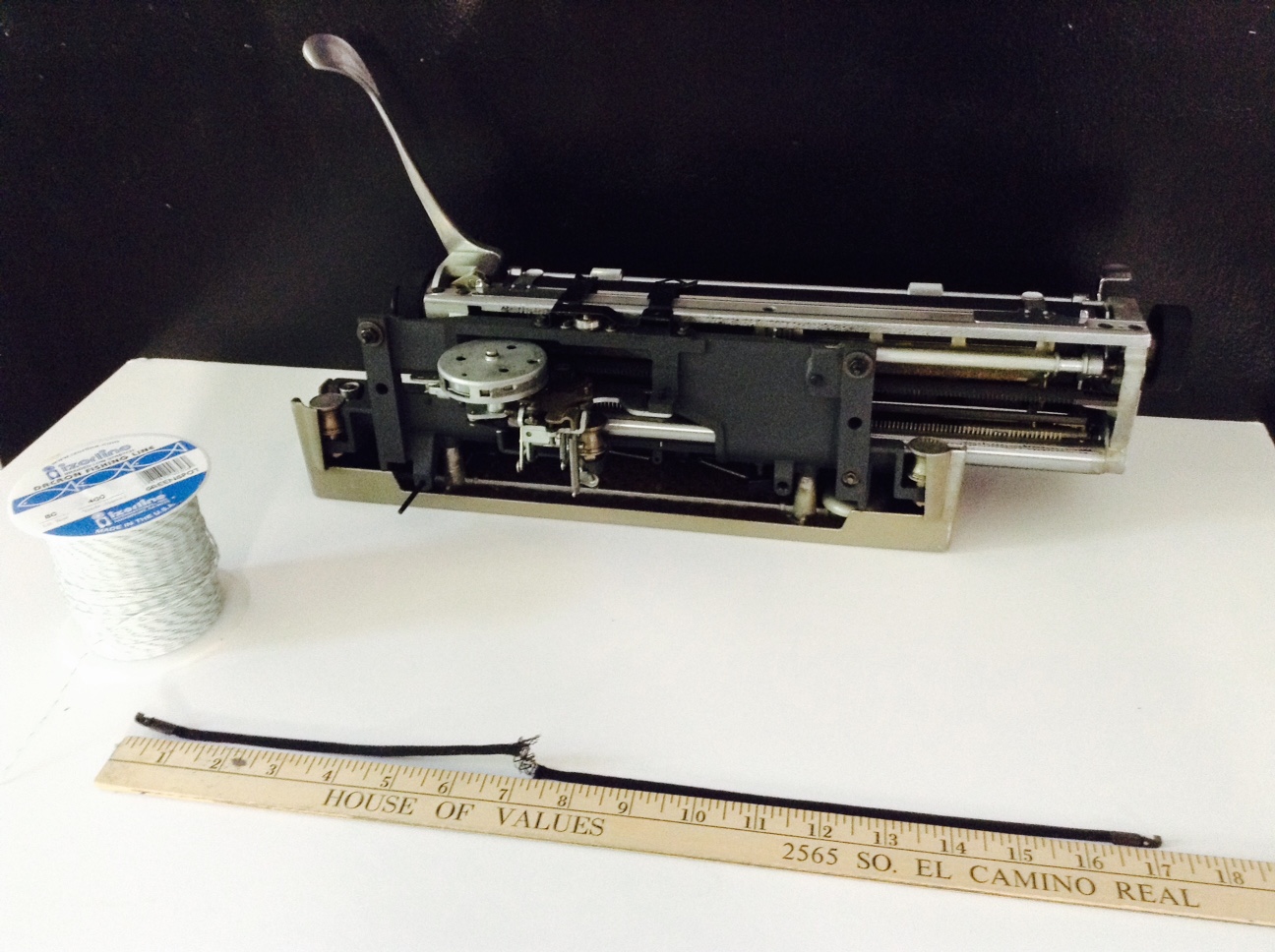
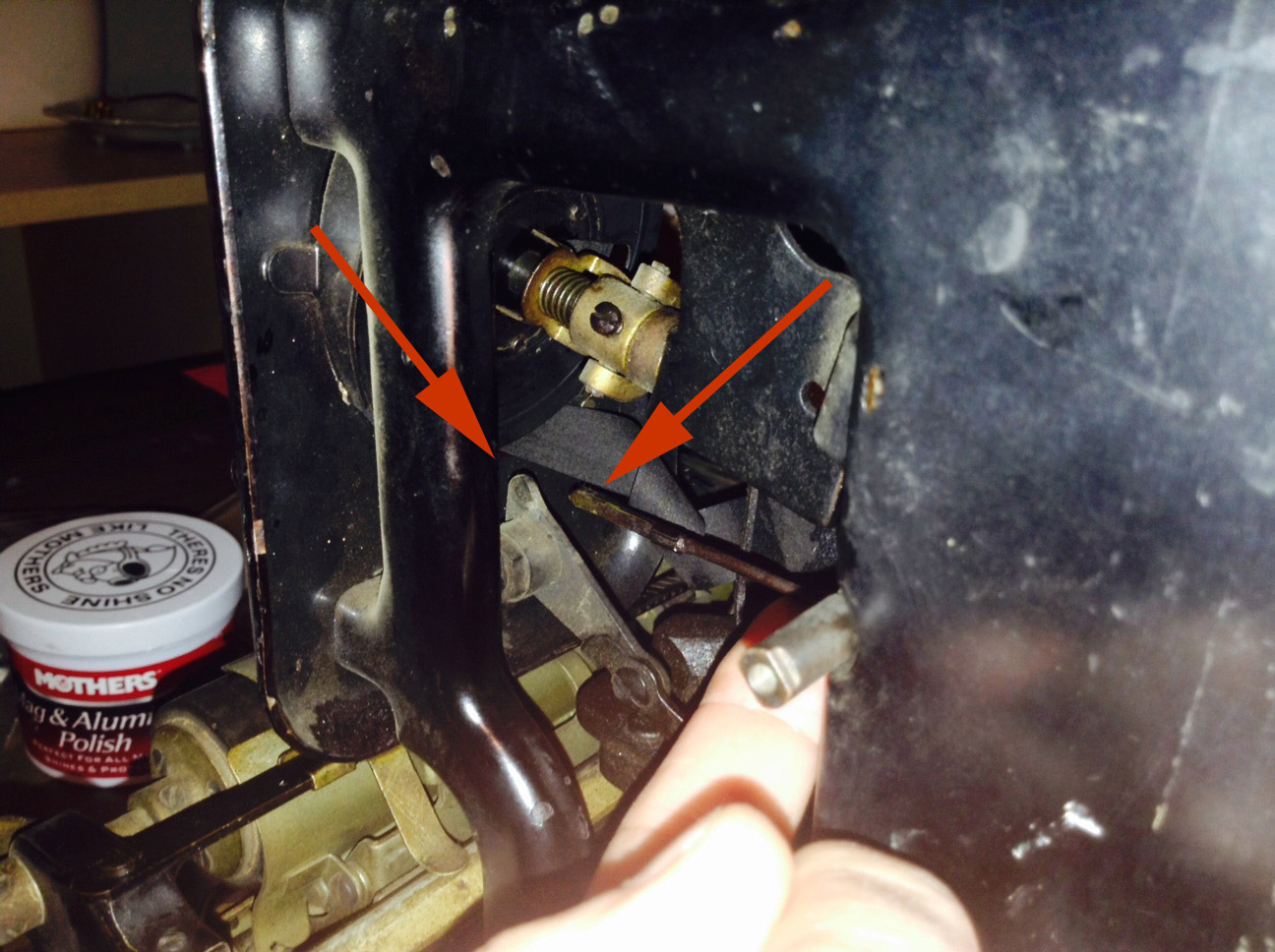
In a maneuver I call the Reverse Munk, I re-attached the carriage draw string.

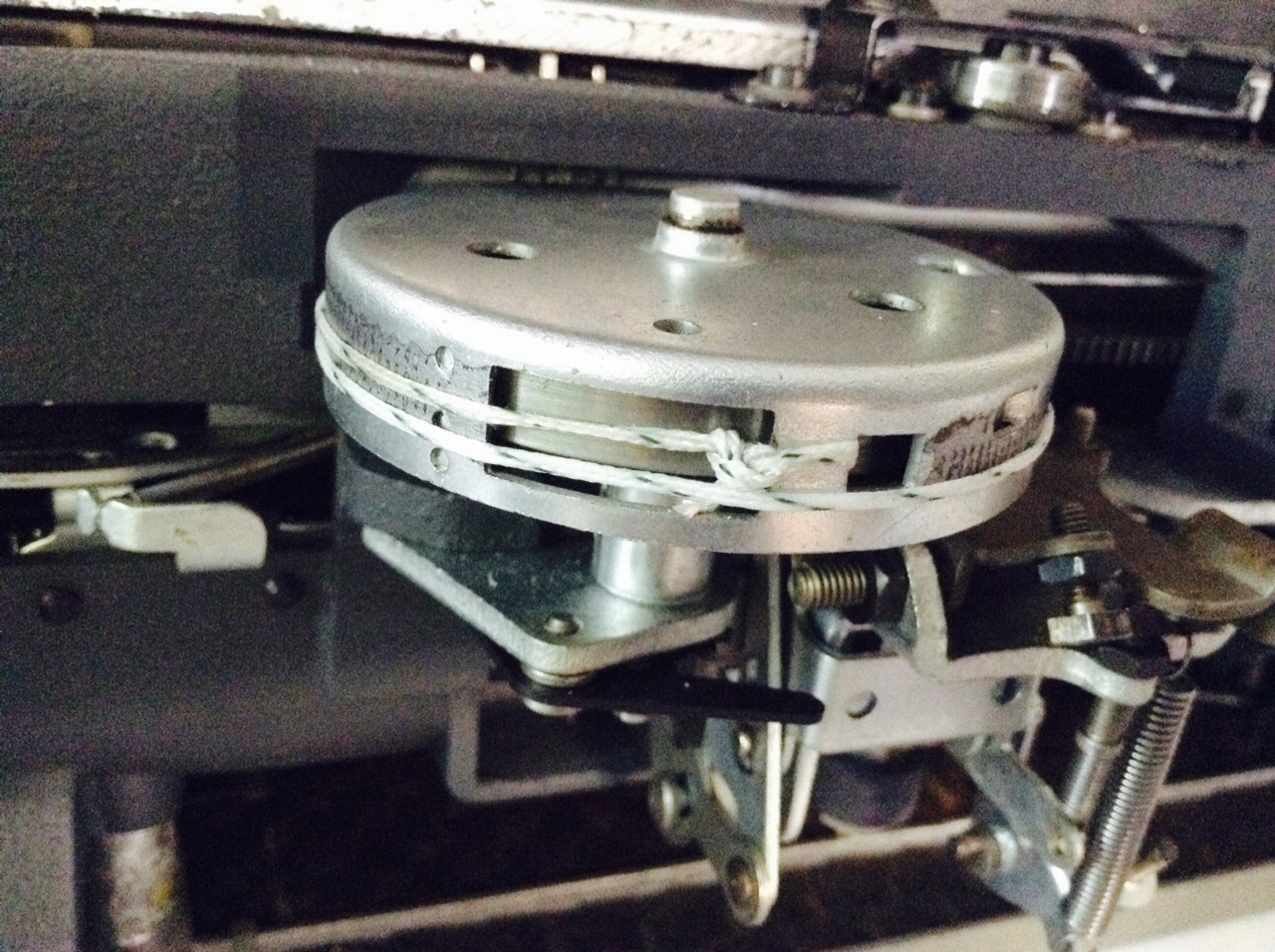
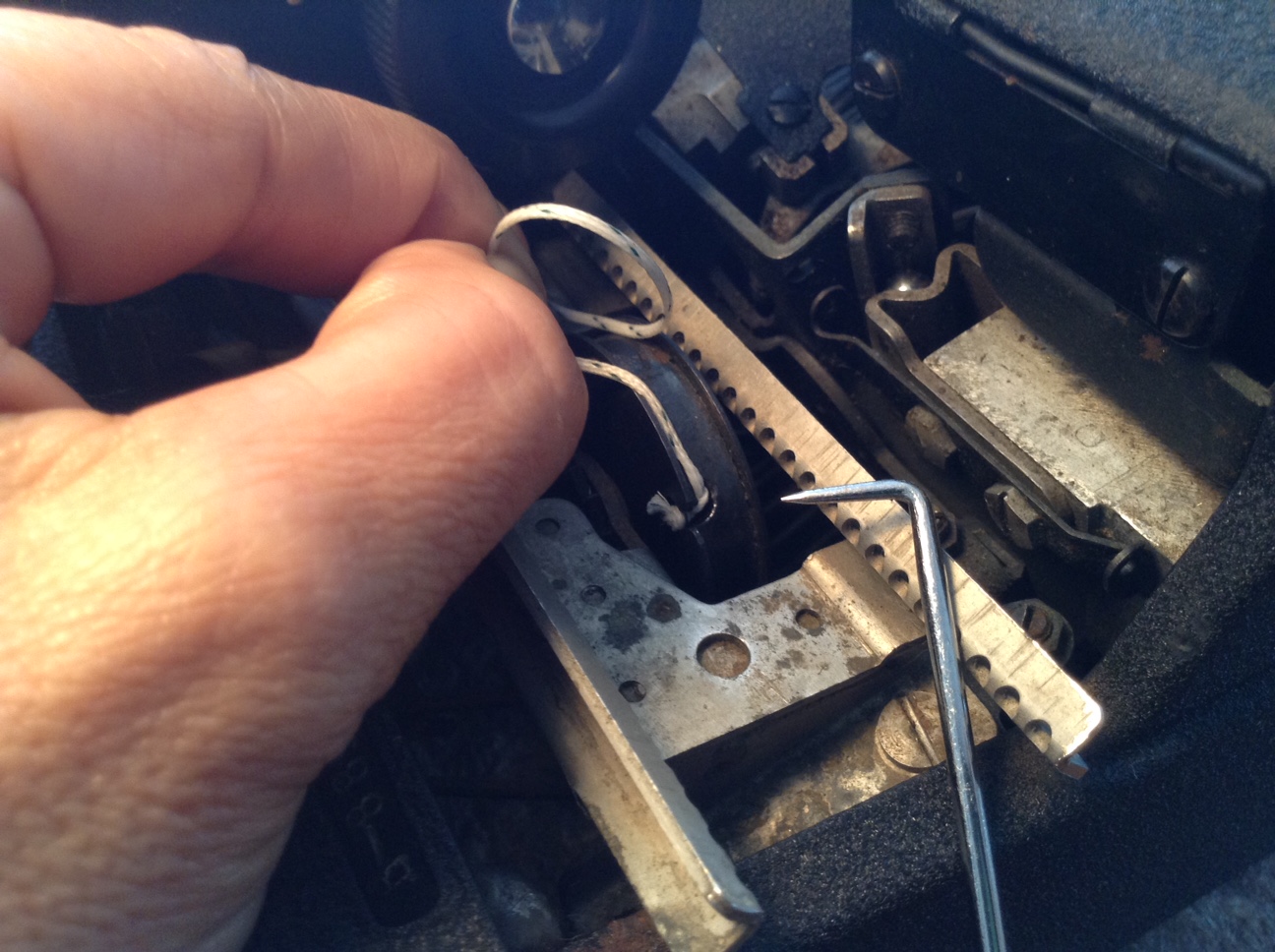
I first wound the draw string tight on the mainspring drum using the ratchet pawl to maintain tension.

IMG_3785

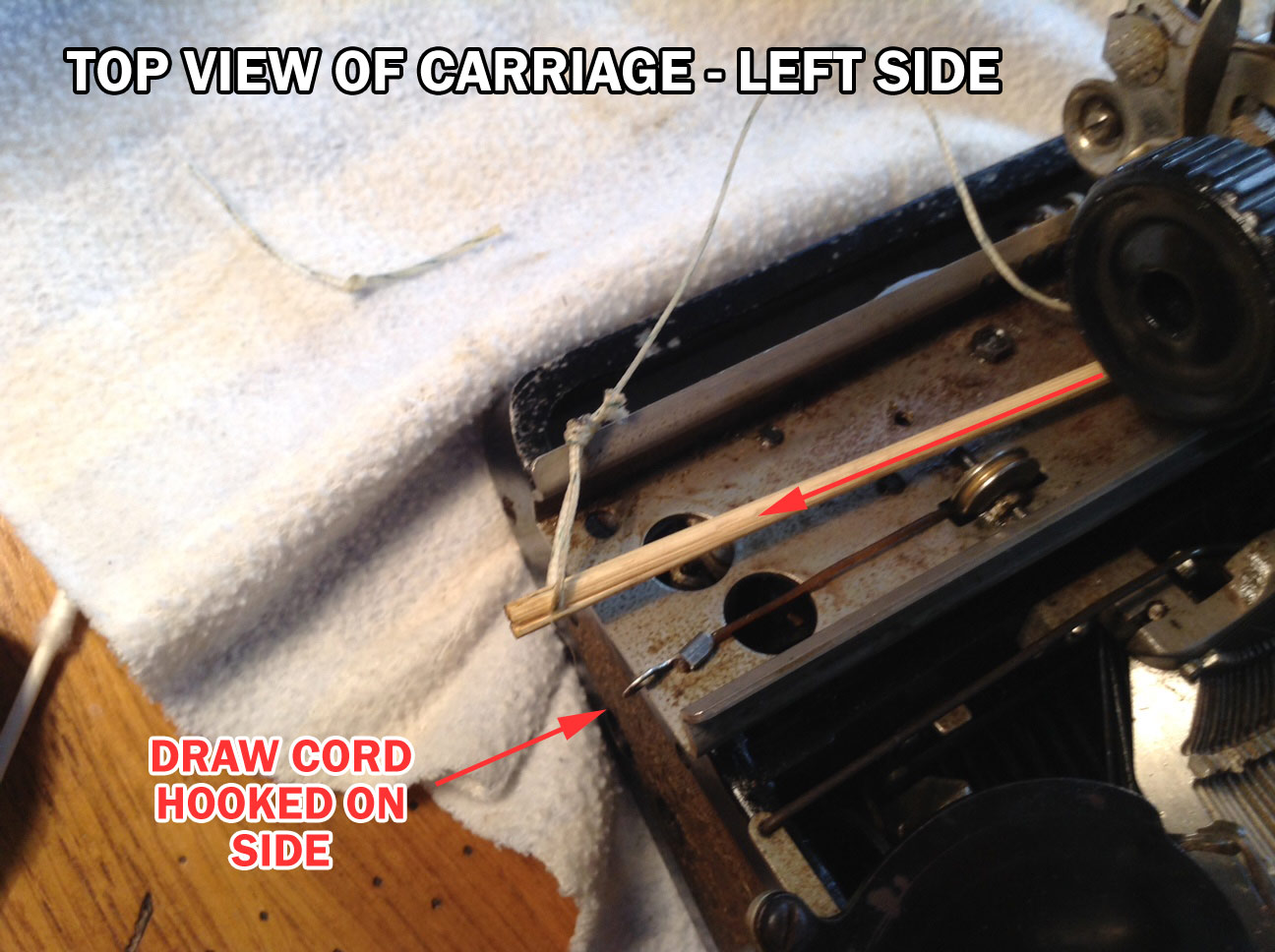
I hooked the draw string temporarily onto the side of the carriage rail.

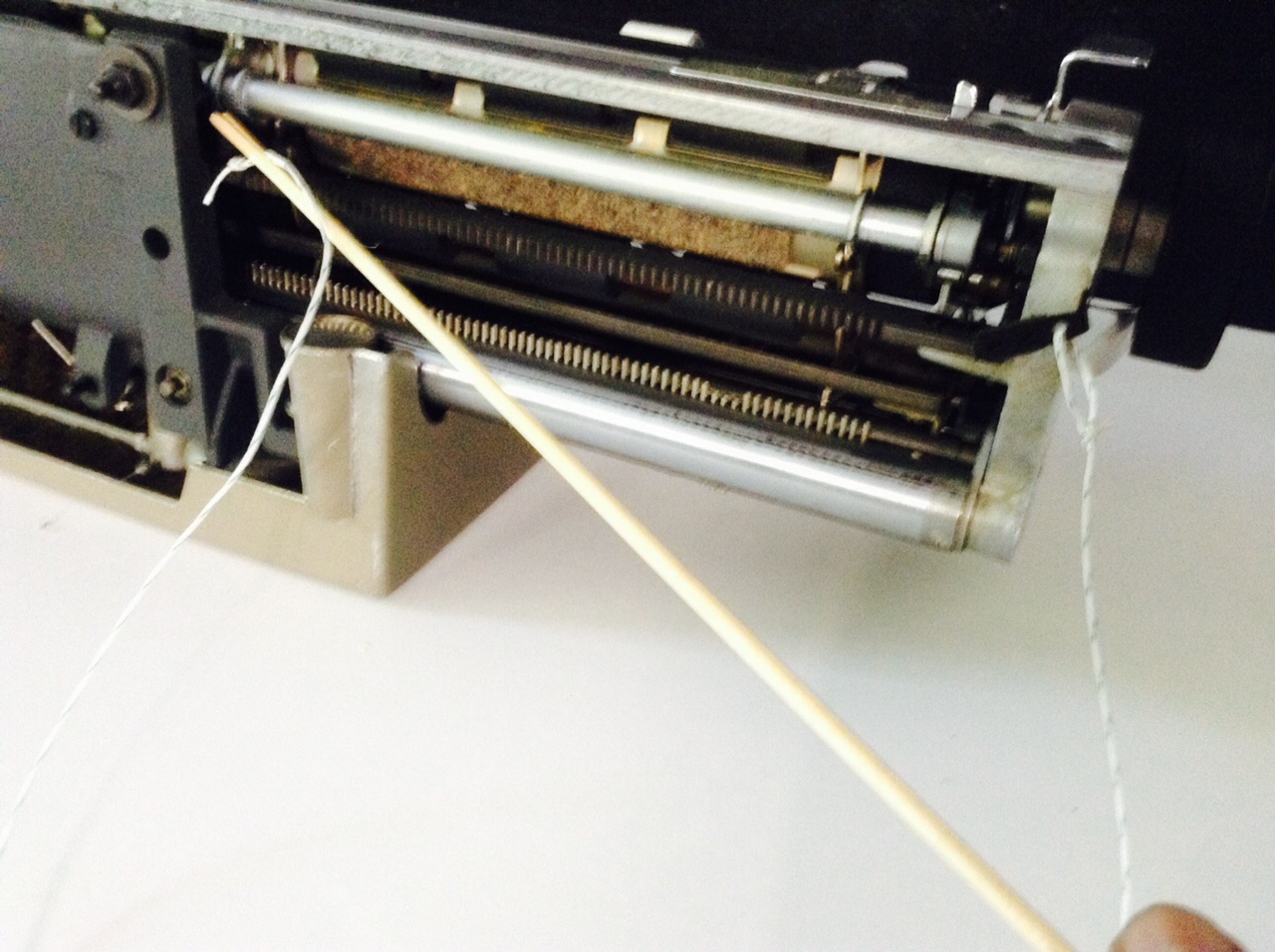
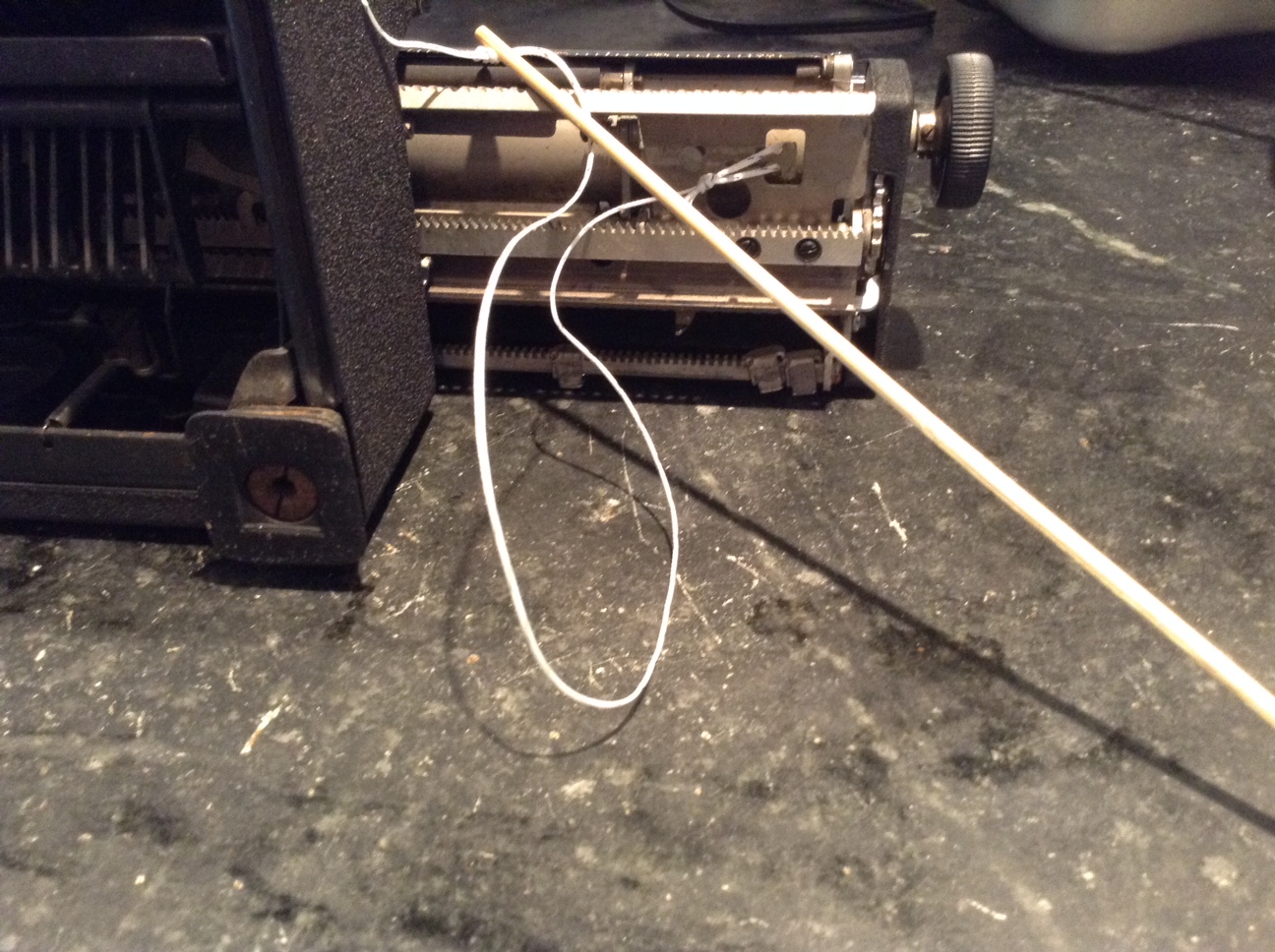
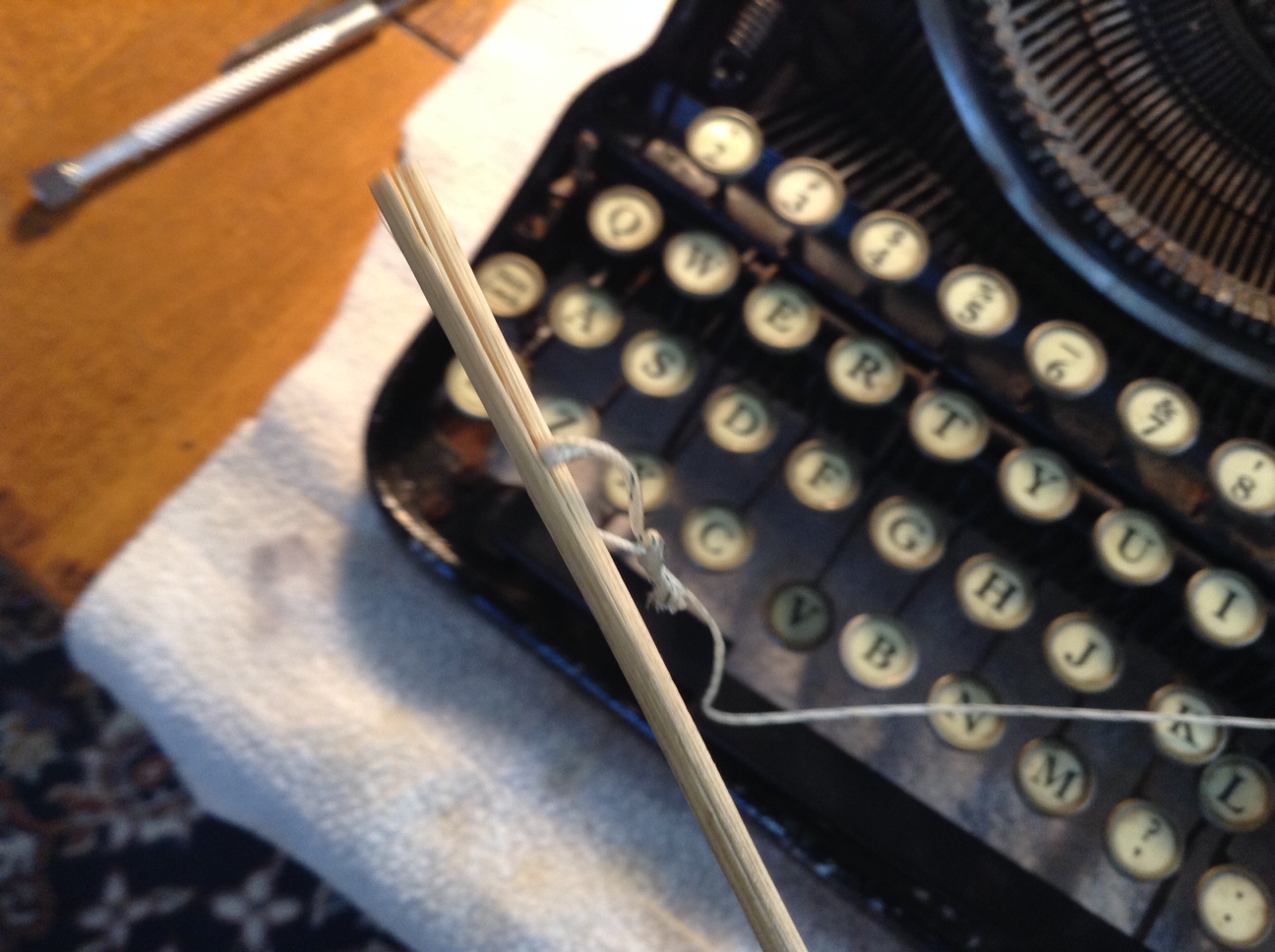
I then made a lasso out of fishing line and fed it with a bamboo skewer which I ran under the carriage from right to left to retrieve the draw cord.

IMG_3530

I got my lasso to the left end of the carriage where the draw cord was hooked temporarily on the side of the machine so it wouldn’t slip down the hole near the pulley.

hooked

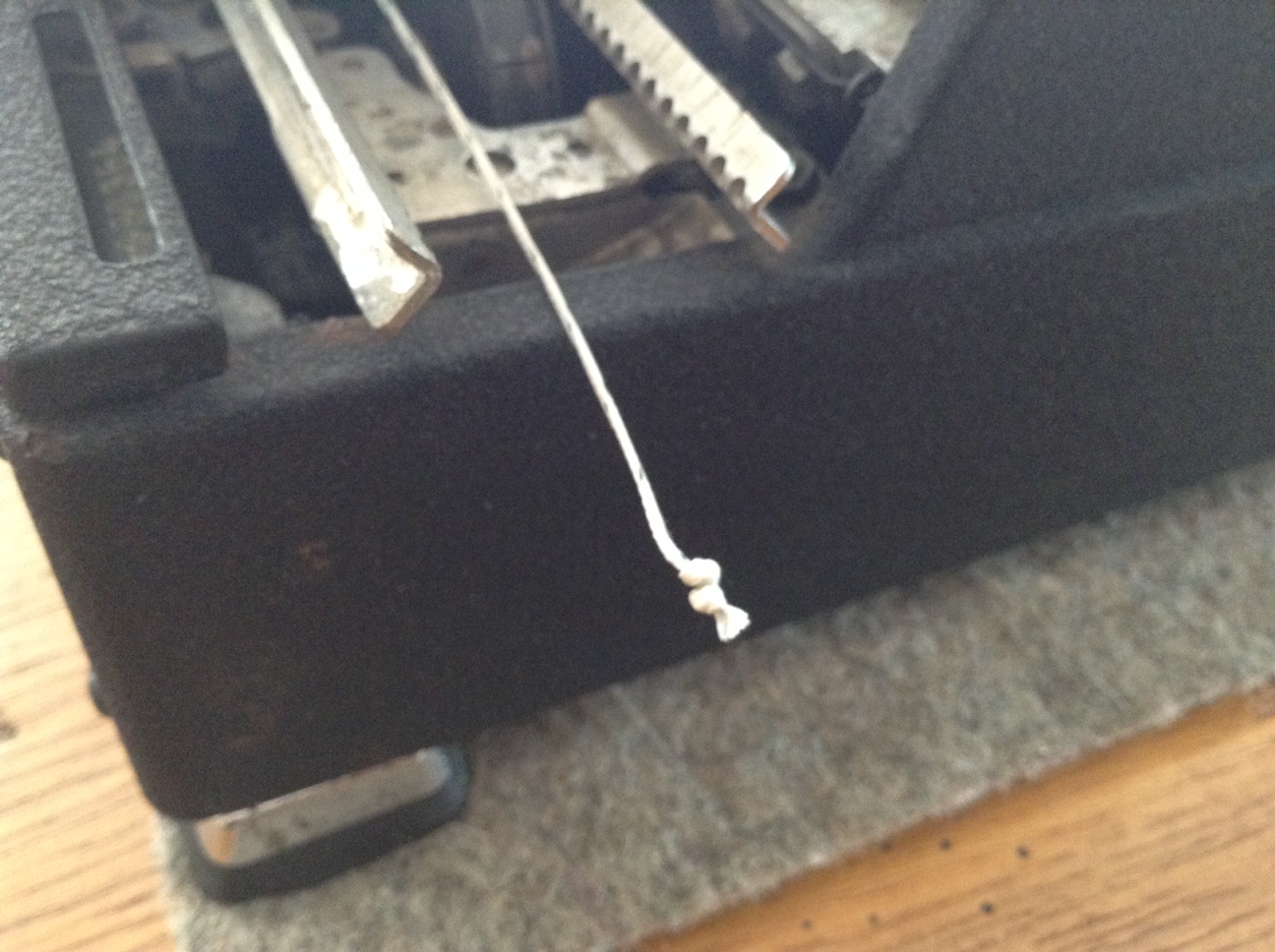
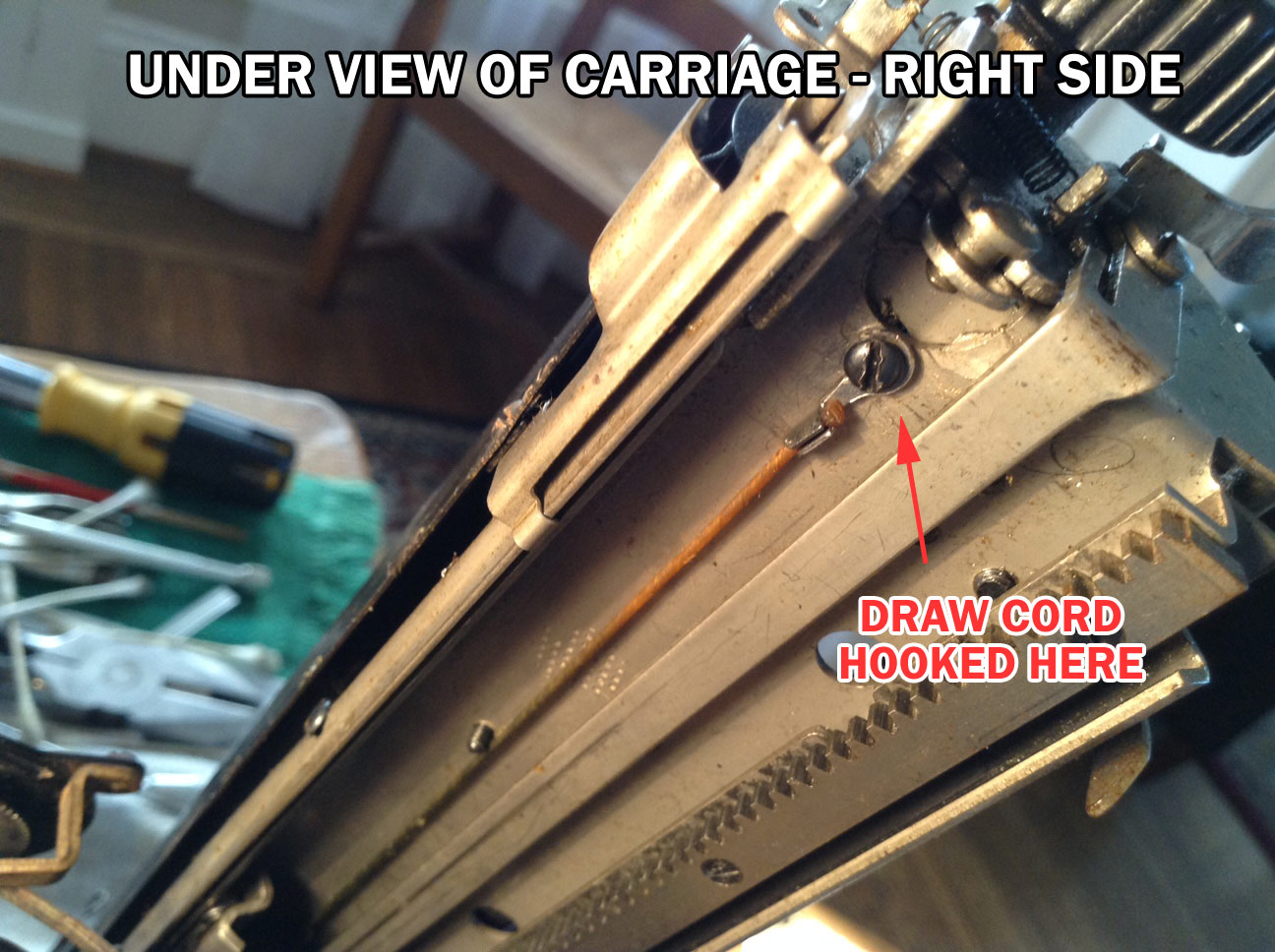
I attached the draw cord hook to my fishing line lasso and pulled it under the carriage from left to right and re-attached it to a likely screw under the carriage on the right side.

underside

Though the draw string was re-attached with good tension, the carriage failed to move freely. Hmm. The carriage advanced with typing or hitting the space bar if I pulled HARD to the left as I typed. Based on this, I gathered that the escapement was OK, but perhaps something was rusty or gummy or…?

Typewriter Database to the Rescue

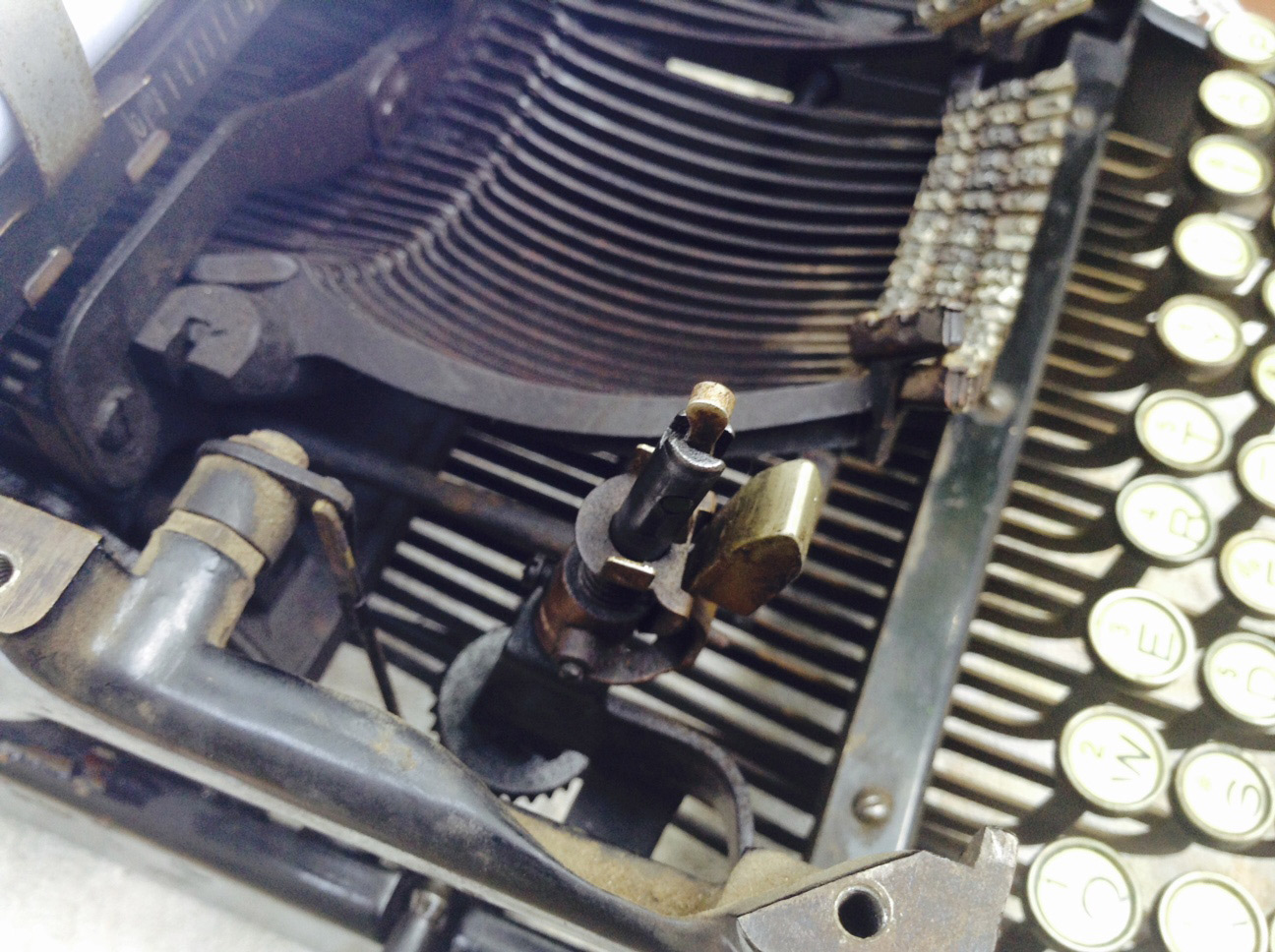
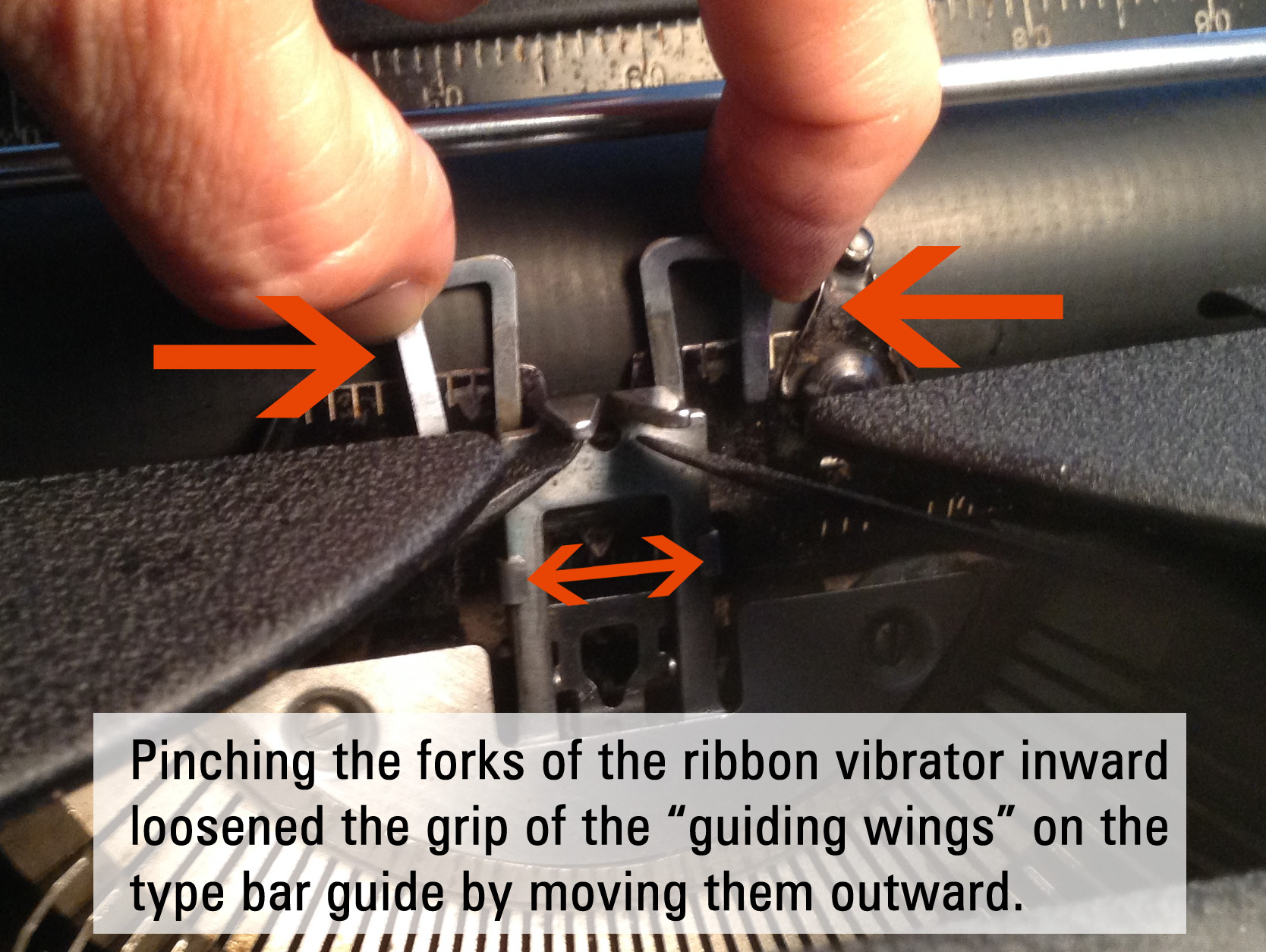
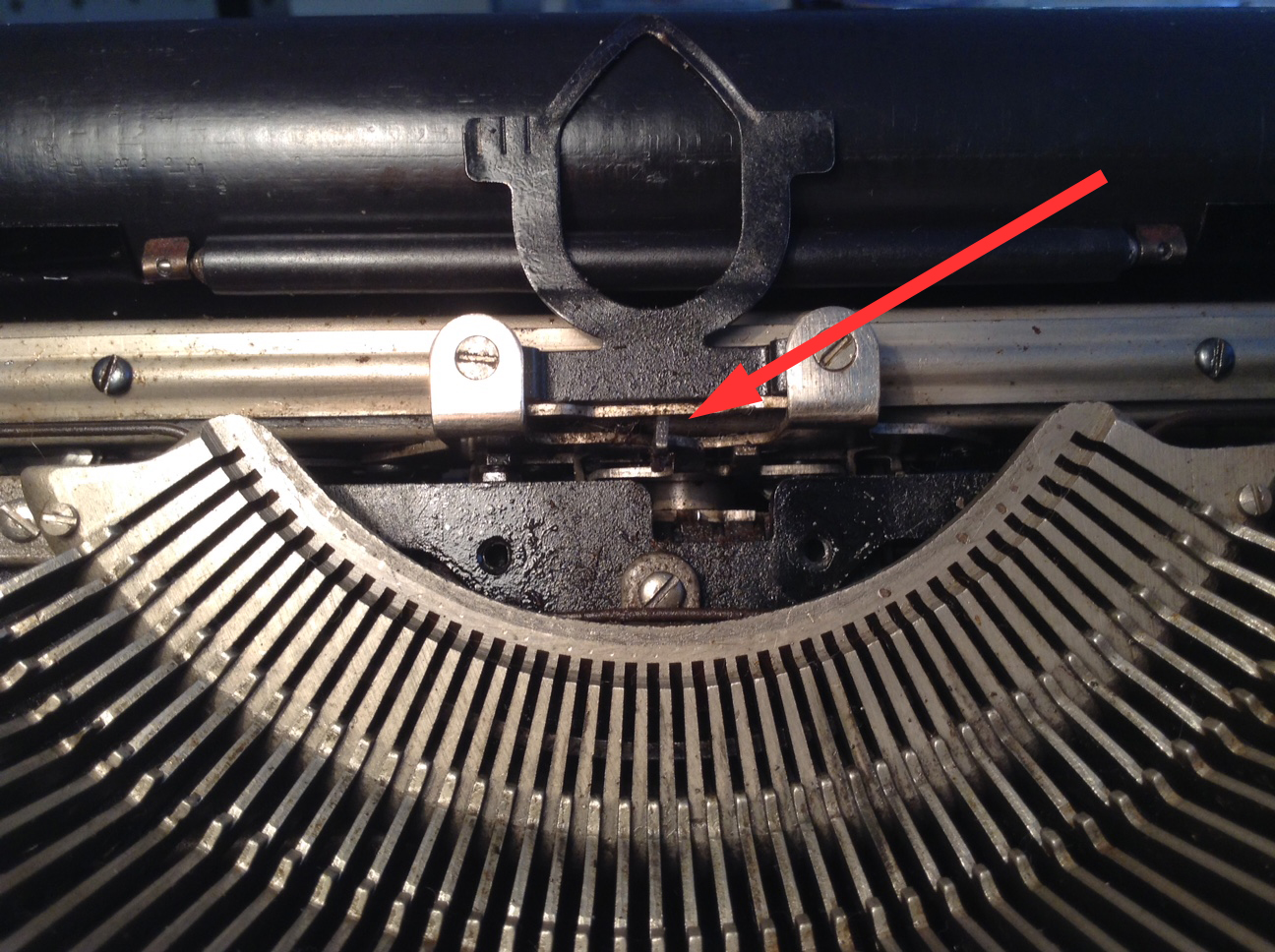
There was something strange about the ribbon vibrator – it was in a permanent “up” position and would not go down.  I went to Typewriter Database (TWDB) and compared my Corona’s ribbon vibrator position to all the Corona Fours at TWDB.  Yes, something was very fishy.  My ribbon vibrator did not look like other ribbon vibrators. So off came the ruler thing and the ribbon vibrator.

The ribbon vibrator itself was fine – the two pieces of it slid easily together.

IMG_3762

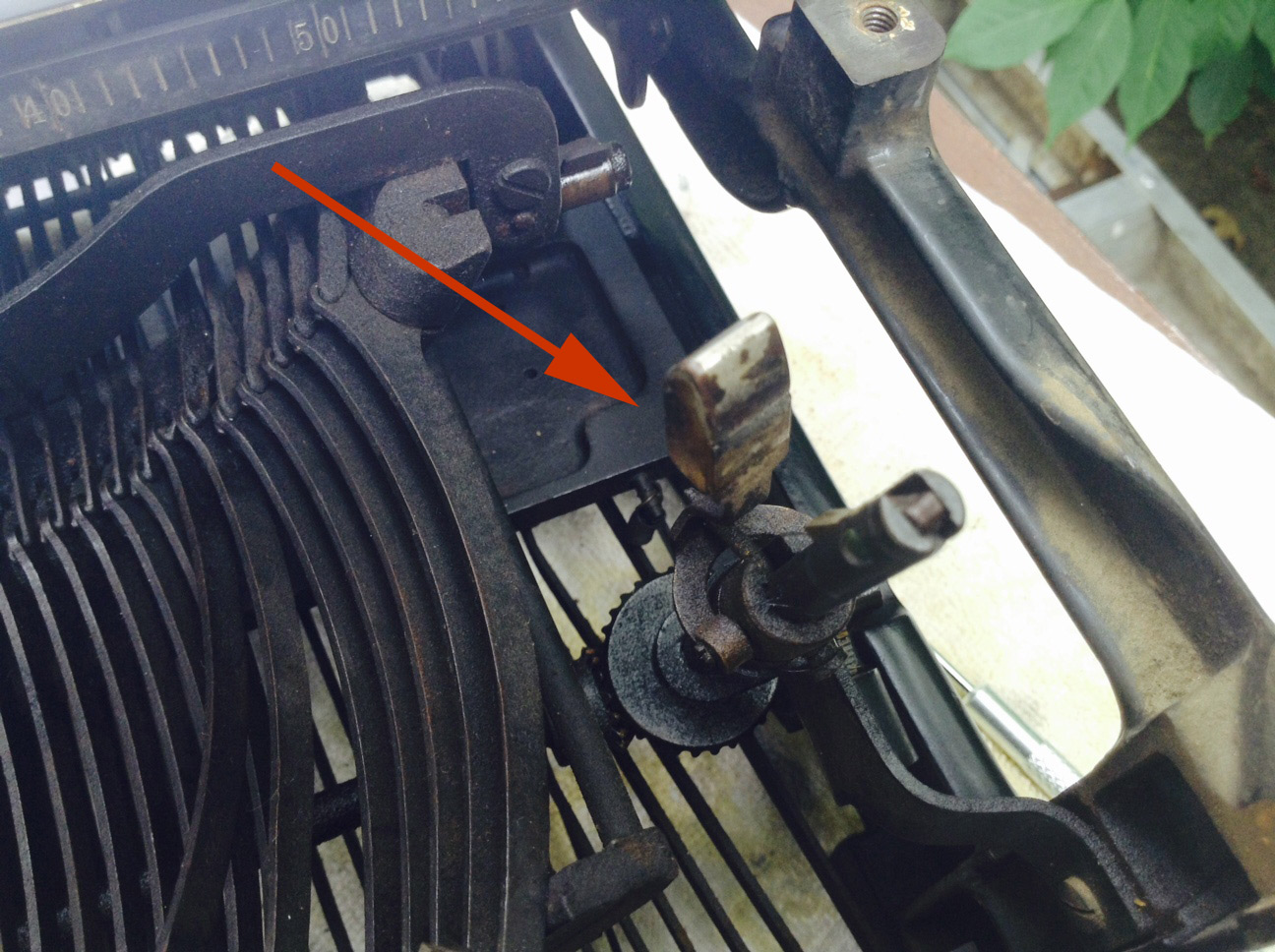
However, a projection from the escapement assembly that moves the vibrator up and down was locked in place:

arrow2

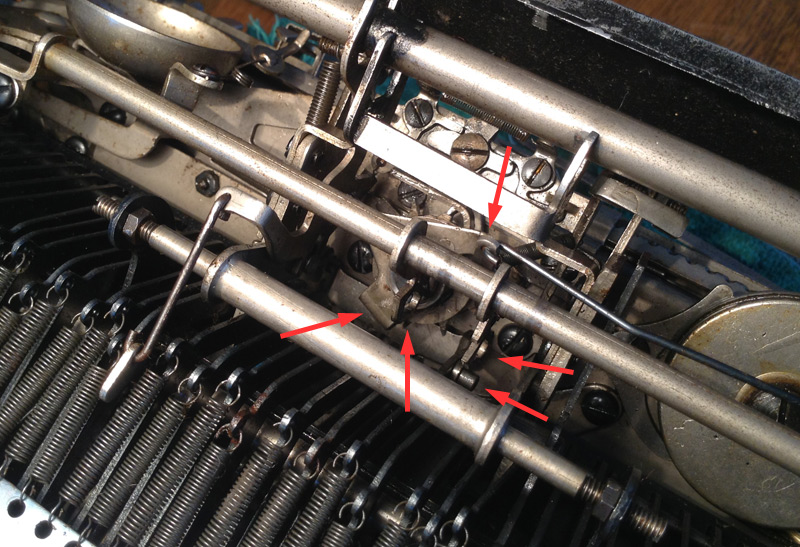
I flipped the machine over and examined the escapement mechanism. I opened up TWDB again and searched for a Corona 4 listing in the archive that included an under machine photo.  I found one and noted that there were subtle differences between my 1930 Corona 4 and the 1931 Corona 4 on TWDB.

arrows

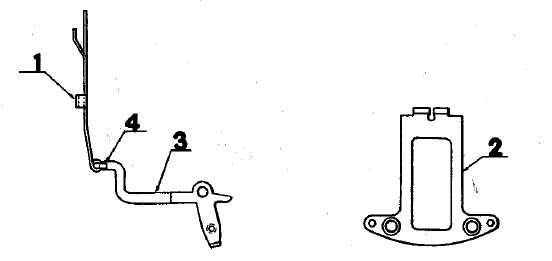
My Corona seemed to have bent and out-of-position parts – right around the escapement rocker bracket assembly and connected pieces (thank you, TWDB for the Corona parts manual).

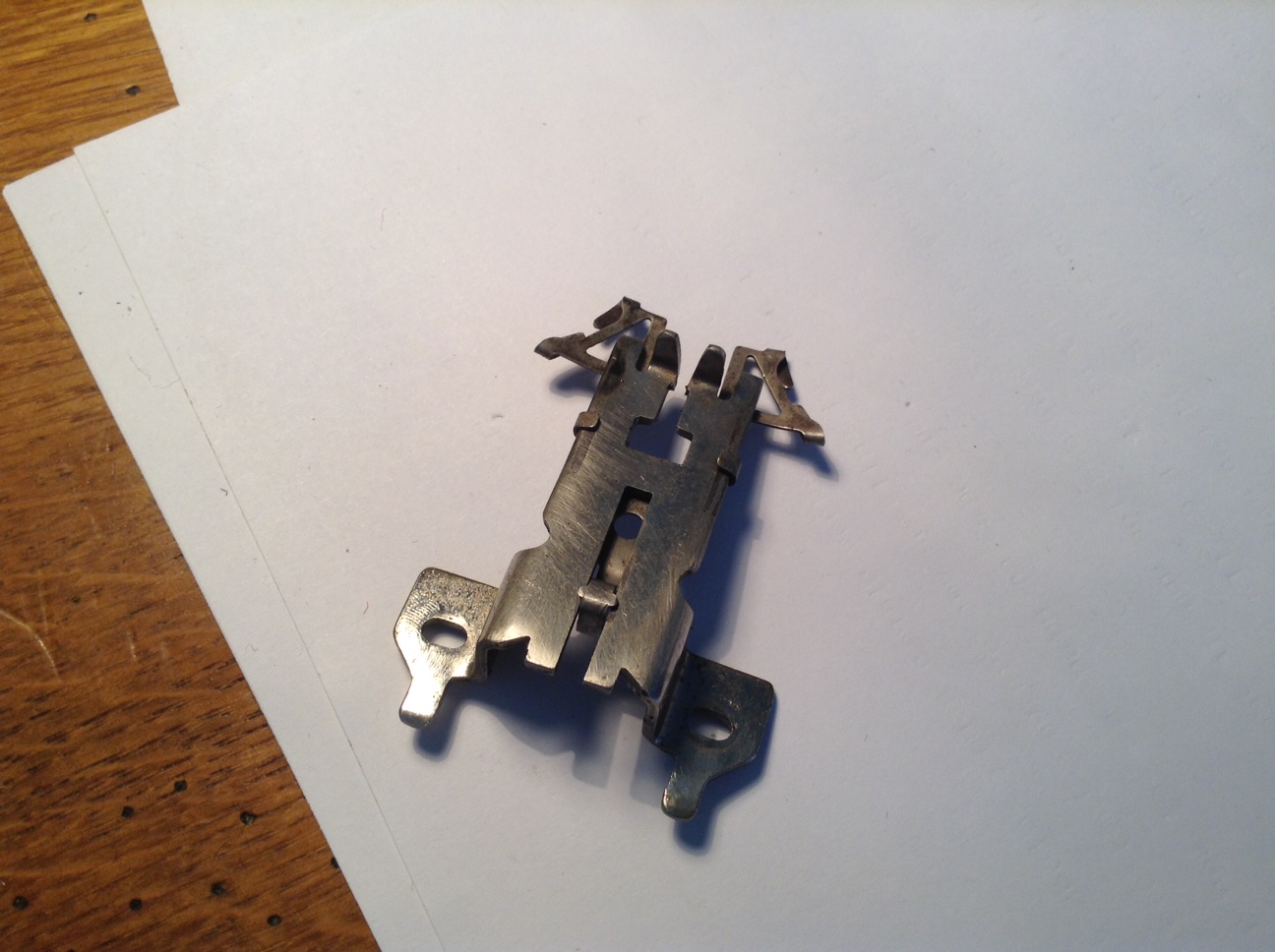
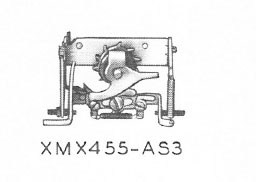
This piece – escapement rocker bracket assembly – was all bent to hell:

part

illustration from Smith-Corona Parts Book, TWDB

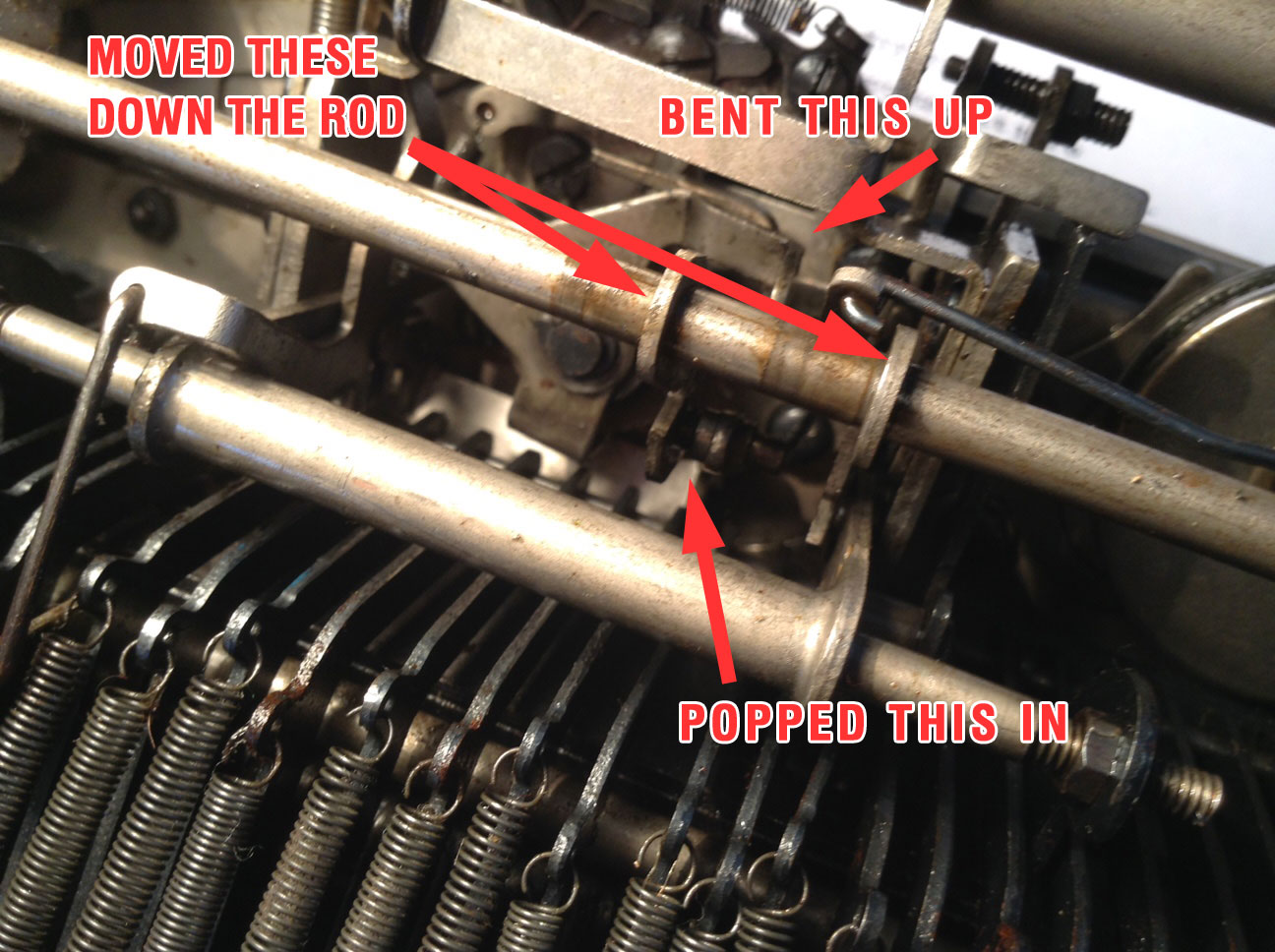
Carefully studying the TWDB Corona and using my best judgement and some lucky intuition, I bent part of the escapement rocker bracket assembly, trying to make my typewriter look like the Corona 4 at TWDB.

fix2

Long story short: that did it. Here she is, partially disassembled and no ribbon but gamely putting up with my two-fingered typing.

I would still like to get close up pictures of the underbelly of a functional circa 1930 Corona 4 since my fix was mostly just lucky guesswork. I have a request for photos at Typewriter Talk if you have a functional Corona 4 and have a moment to take some detail pictures of the underside of your Corona 4 typewriter.

There is work still to be done:

  • sort out the ribbon feed mechanism
  • fix the backspace
  • glue the space bar
  • make new key lever links for missing ones
  • address peeling paint
  • make a donation to TWDB

UPDATE: Rev. Munk kindly posted under machine photos of his Corona 4 (“El Diablo”) at TWDB.  It looks like I was lucky and popped things back into the right place.  I will be using Rev. Munk’s photos again as I try to unravel my problematic back space mystery.


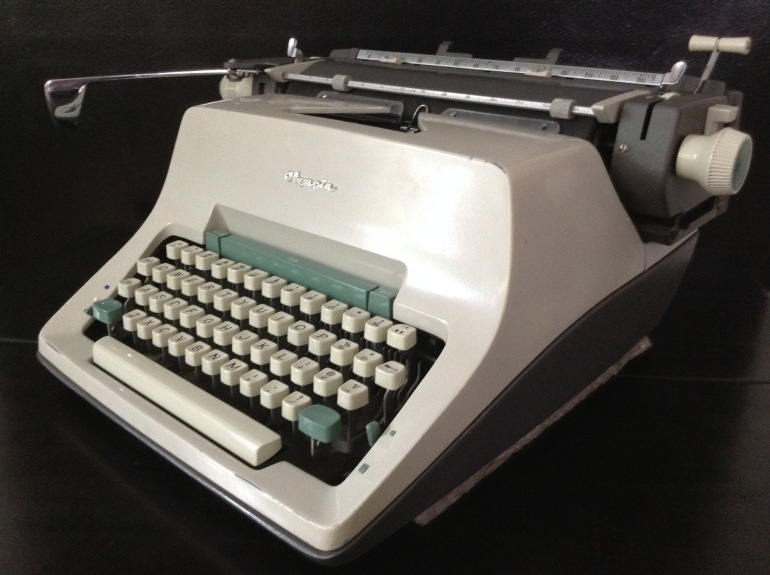
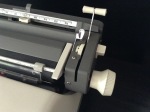
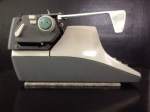
Large Marge: 1965 Olympia SG3

I talked the junk shop owner down the street into taking $20 for the Olympia SG3, so I brought Large Marge home.  She immediately started doing laundry and ironing.

Other typospherians have waxed rhapsodic over the qualities of the Olympia SG3, but I can’t say anything intelligent about the touch or action or whatever since my experience with typewriters is pretty much limited to the last three months of my life, so I will just say this: the Olympia SG3 types real good. I love her. She stays. She is GINORMOUS.

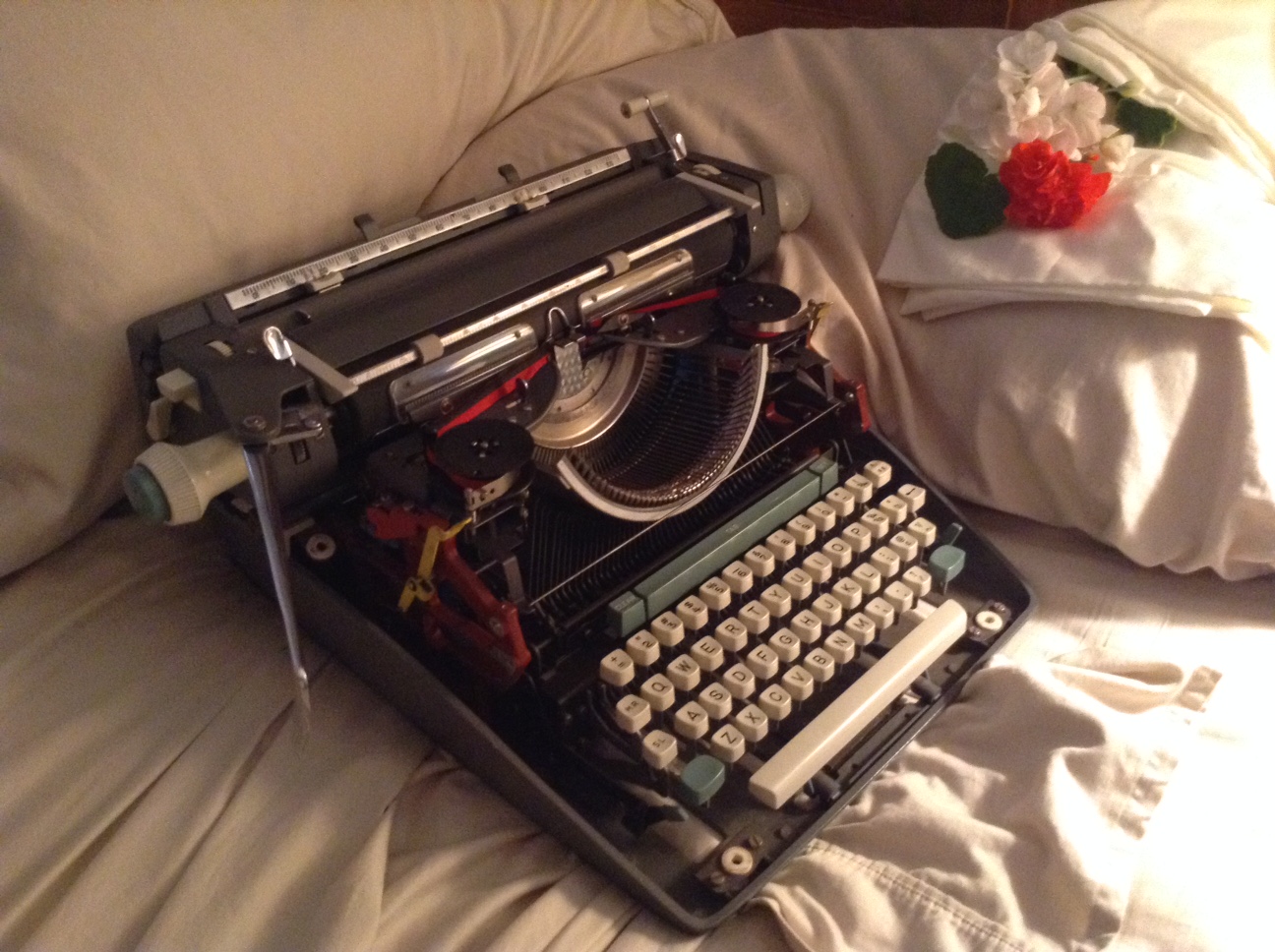
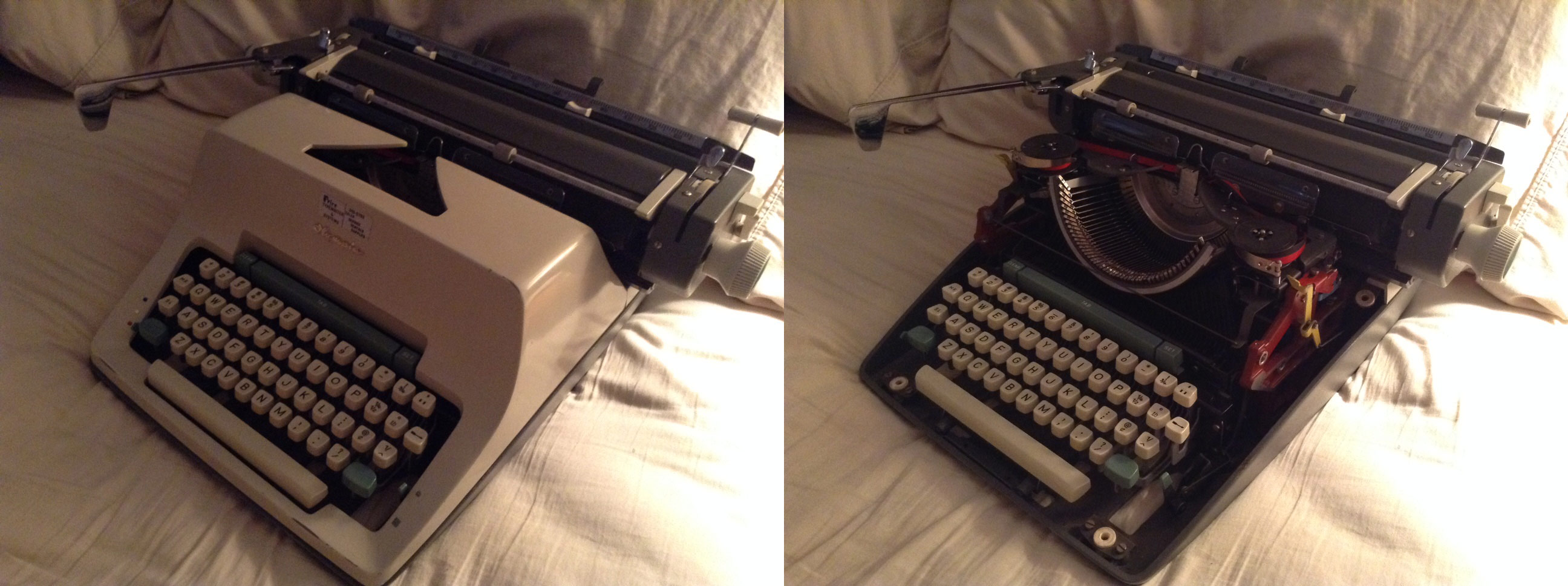
Despite the Olympia SG3’s matronly appearance, the lady is a tiger.  She slips out of her clothing quite readily.

Olympia (after Manet):

IMG_3704

La Maja Vestida y La Maja Desnuda (after Goya):

majas

You’re welcome, Art History majors!

Since the SG3 is so large, I need to find a dedicated space for her. My son generously offered a spot in his room.  He was very enthusiastic about my purchase, especially when he found out that the Olympia SG3 was used by Philip K. Dick and Elmore Leonard.

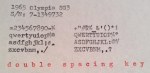
Here are some envy-inducing characteristics of my Olympia SG3 (which is called a SG 3L or SG 3 de luxe in this brochure because she has such cool features):

  • weighs 38 lbs!
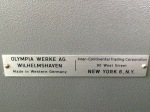
  • made in “Western Germany”!
  • has a PAPER INJECTOR!!
  • has a DOUBLE SPACING KEY!!
  • has cool special characters!
  • missing her plastic paper support 😦

Inmates of the Junk Shop: Typewriters Doing Time

Here’s a look at residents in detention in my neighborhood junk shops near San Francisco. Unfortunately, I did not post bail on any of these beauties. Most of the prices were beyond my current cheap thrills limit. I lucked out with my first six typewriters – they were all free to very affordable.

I had some free time last week, so I decided to go typewriter sightseeing.  There were no typewriters at either Goodwill or St. Vincent de Paul so I headed over to the town junk / antique stores. First stop: an antique shop with three typewriters:

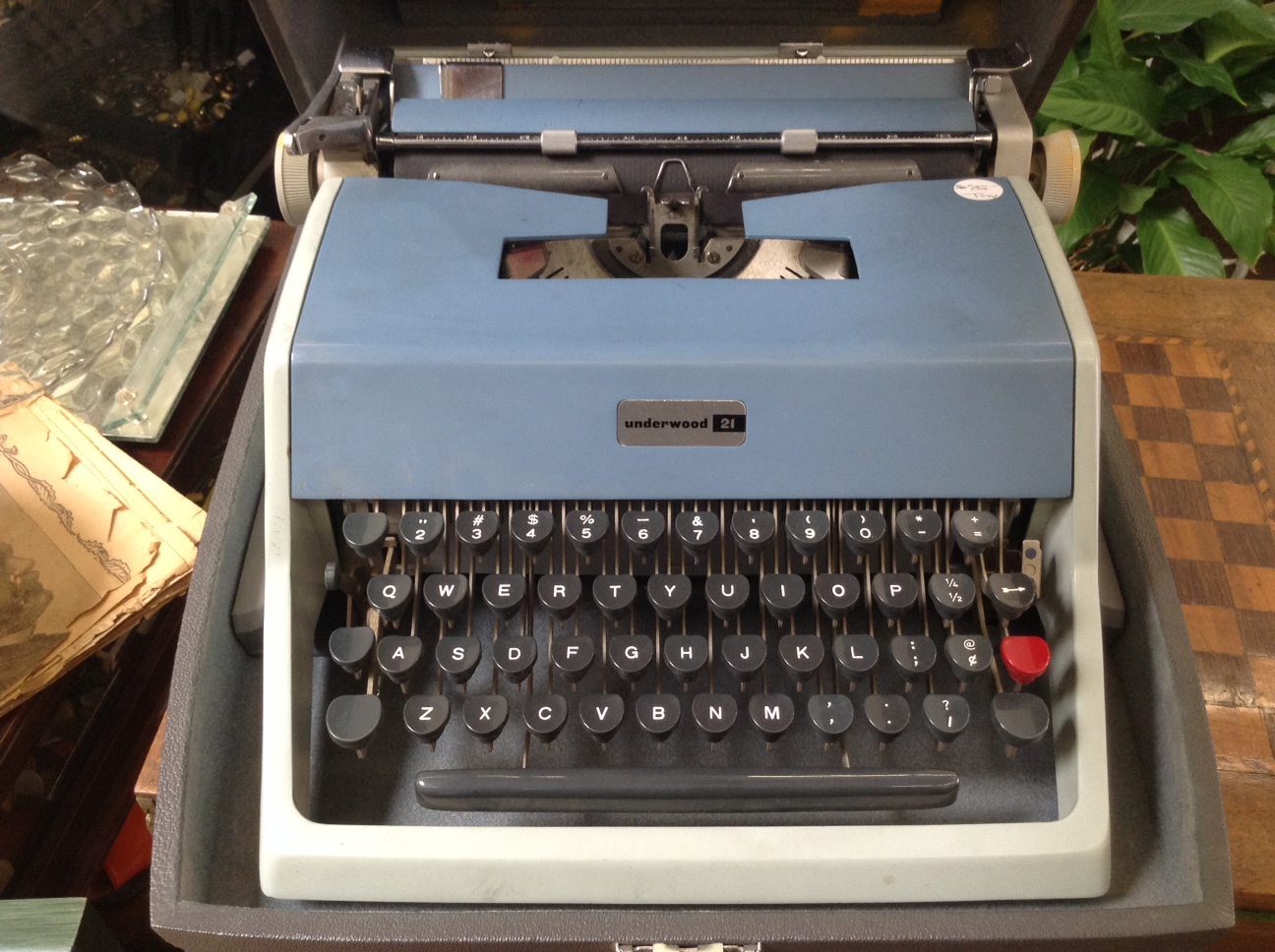
196x Underwood 21
$85.00

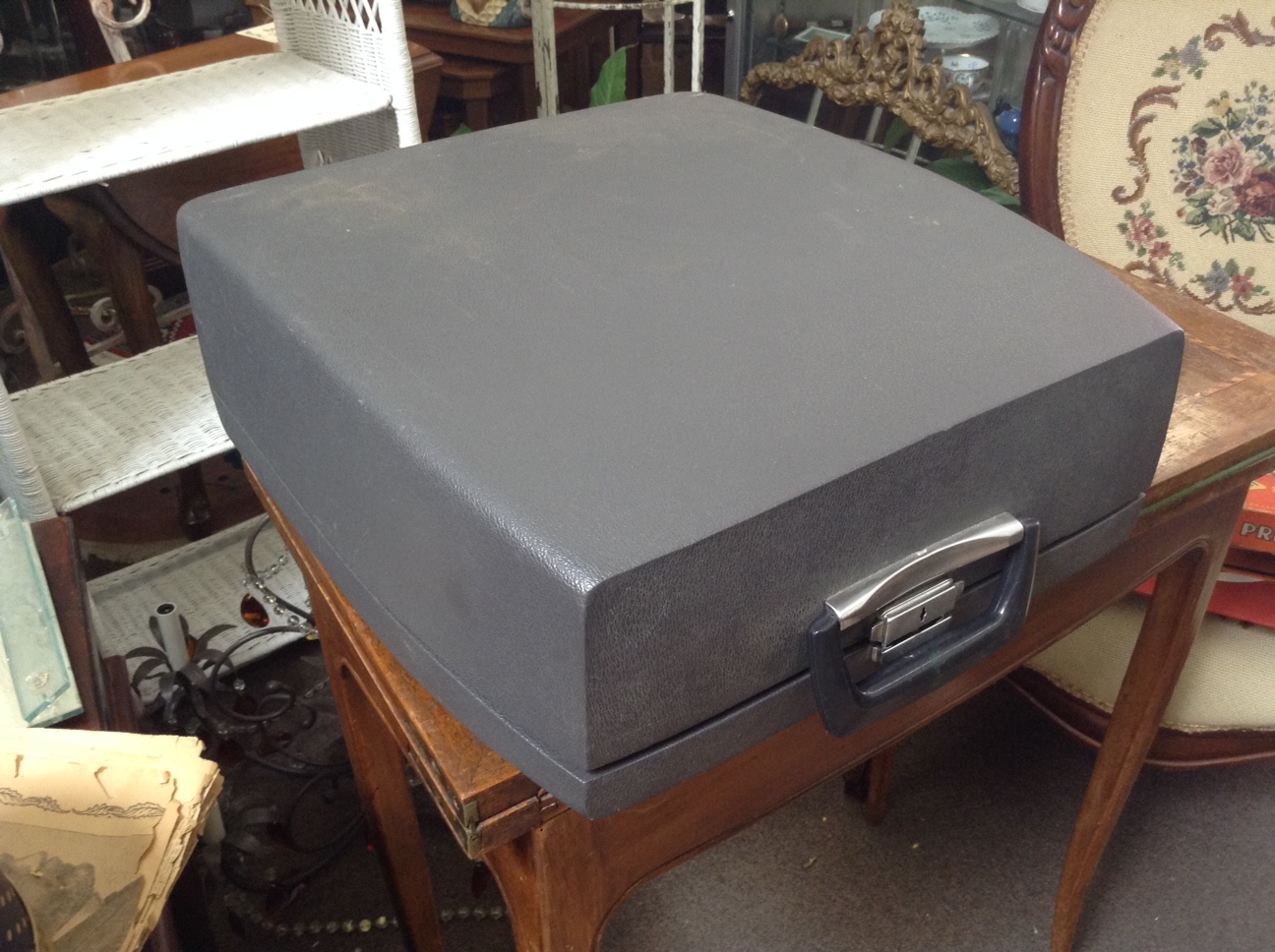
There was a huge piece of luggage that looked like it had a typewriter in it. I popped the case to check it out.

IMG_3538

IMG_3539

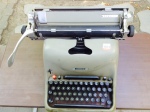
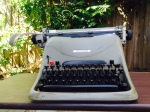
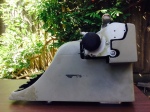
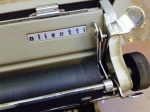
Oooh! Italian!

IMG_3540

It sort of worked. I was unable to appreciate the fine Olivetti engineering since the keys were so gummy I had to manually return them to the basket with each stroke. The price was a non-starter for me and it was really HUGE for a portable.  This Underwood 21 is about as portable as my KMC – it would be better with wheels.

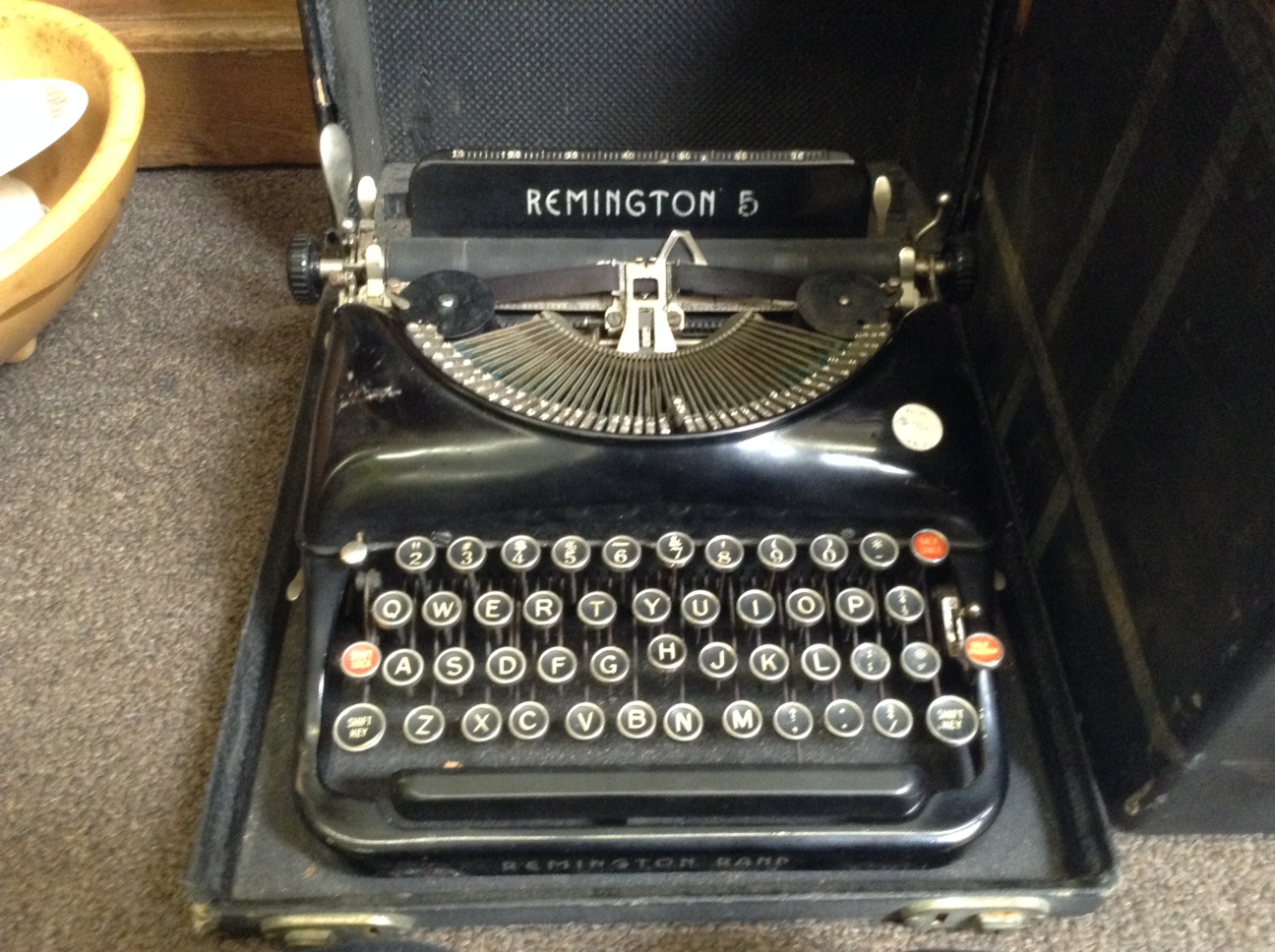
193X Remington 5
$95.00 – $125.00 (two price tags)

IMG_3554

Neat looking typewriter with swell curves. Seemed to work (ribbon dried out so I couldn’t get a type sample), but there was something funky about the margins which I couldn’t figure out and the keys were pretty sticky. I do love the red “Self Starter” button:

IMG_3557


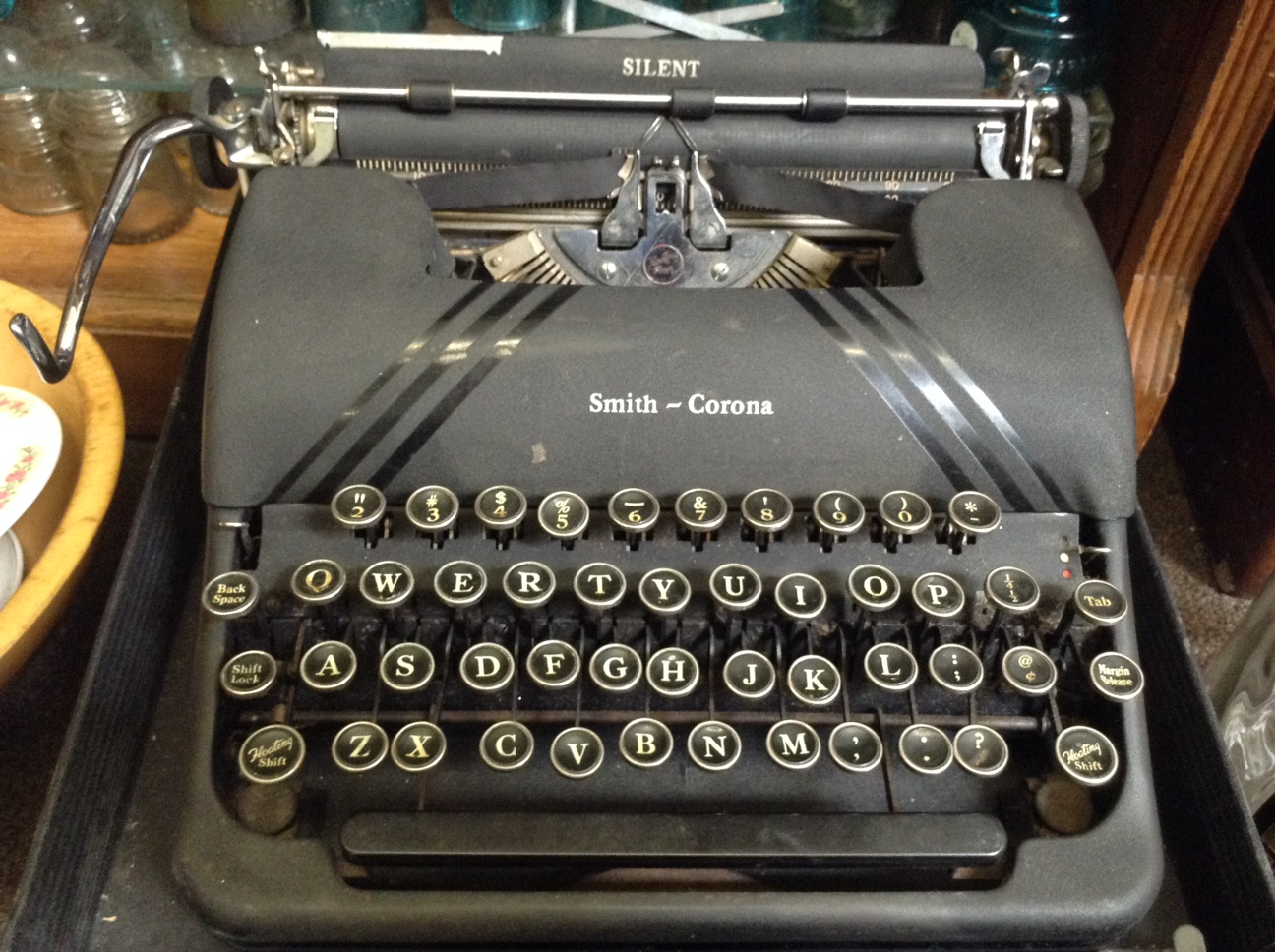
1948 Smith-Corona Silent
Price unknown
S/N 4S204446

IMG_3547

I love the looks of these, but this one was in terrible, terrible shape. Looks like someone must have sat on the keyboard as I could see the imprint of buttocks on the sunken keys. Carriage string snapped. Bent and gummed up keys.  I didn’t ask the price on this S-C Silent. I feel like I should go back and ask if only to put it in protective custody. When researching the Floating Shift mechanism online, I ran into a website where someone had made jewelry out of a Floating Shift key. 😦

Next stop – thrift shop down a few blocks away.

195X Smith-Corona Silent Super
$165.00

IMG_3572

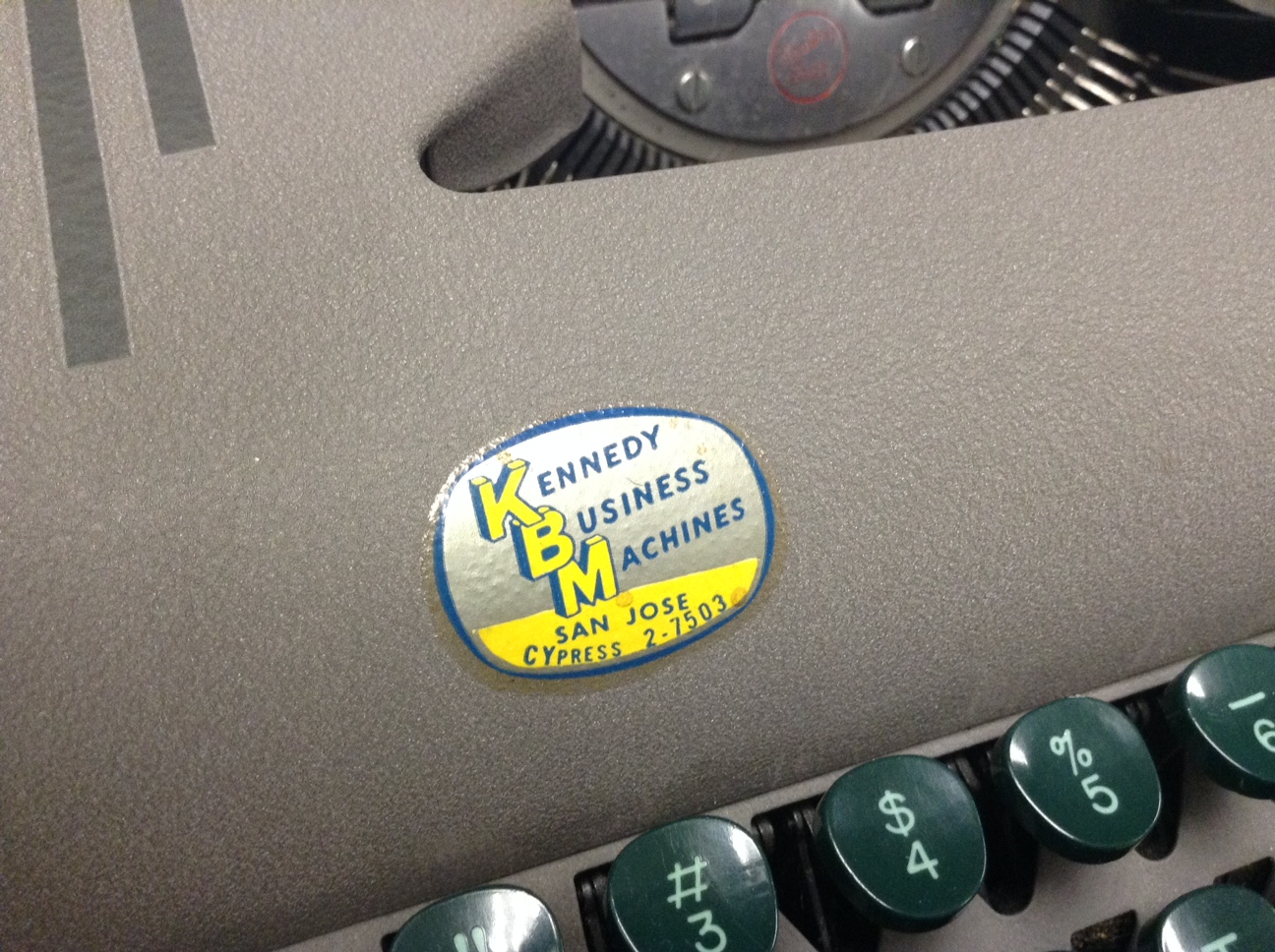
In great shape and typed well. It had a San Jose business sticker:

IMG_3571


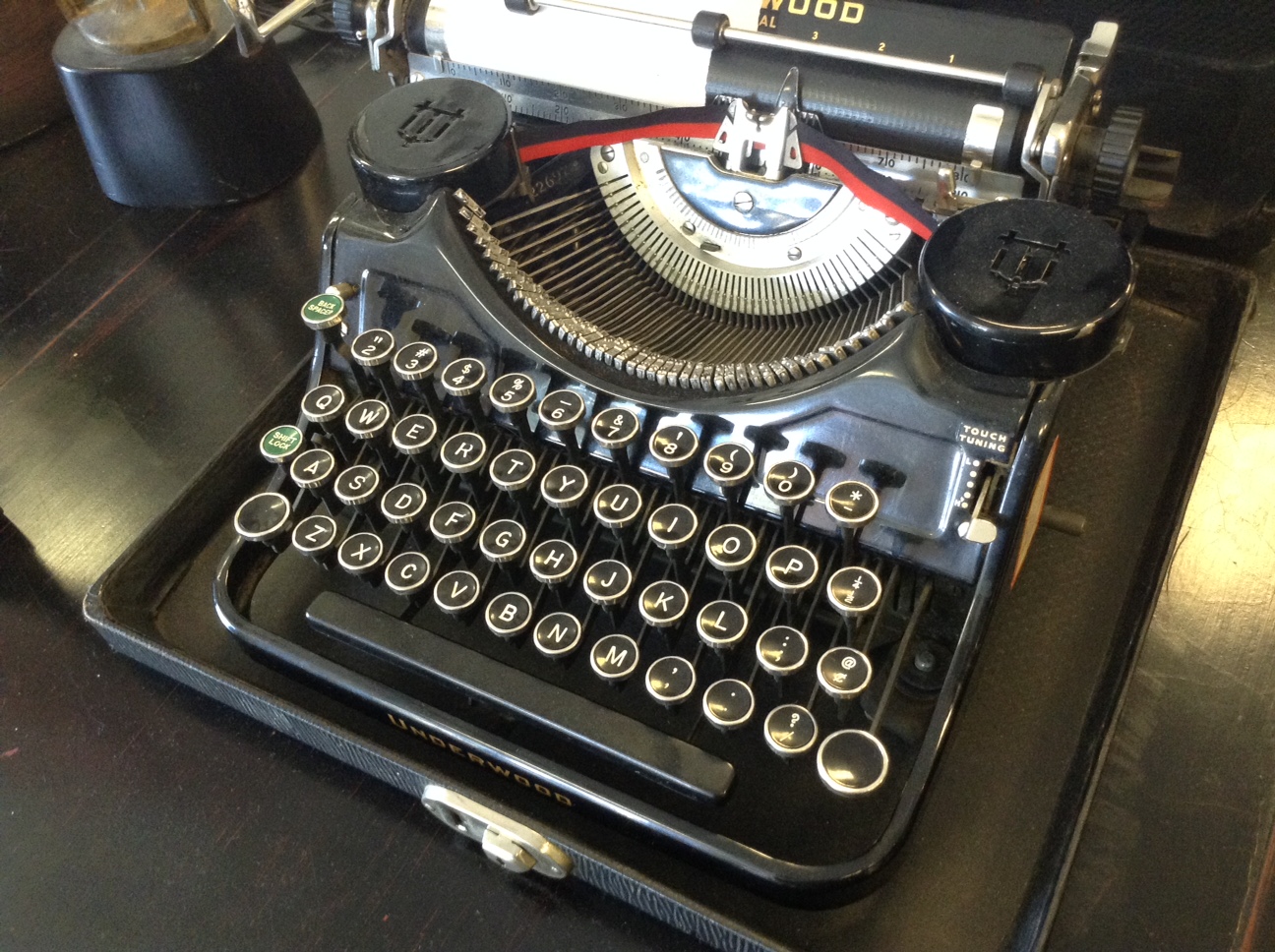
193X Underwood Universal
$229.00

IMG_3566

Gorgeous machine in fine typing shape – with those nifty Underwood spool covers.

Now onto one of my walk-to neighborhood junk shops:

1970 Brother Echelon 89
S/N L0963629
$45

IMG_3574

This one triggers some heavy 70s nostalgia in me with that simulated wood grain trim – it’s the Country Squire of typewriters. It typed fine, but I wasn’t thrilled with the sound and feel. I do love those big chunky keys though. And the wood grain trim. Ah, the 70s!

And lastly to my favorite walk-to neighborhood store.  This is where I got my Corona Four, Skyriter and Torpedo. The owner is very flexible about pricing.

IMG_3591

I could bring a lot of things home from this place if I had less restraint.

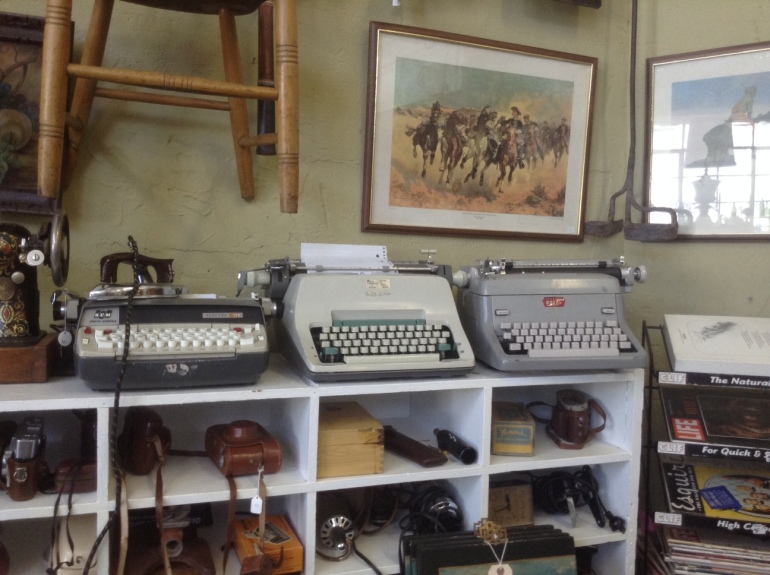
Here is a Burroughs cousin for $50:

IMG_3585

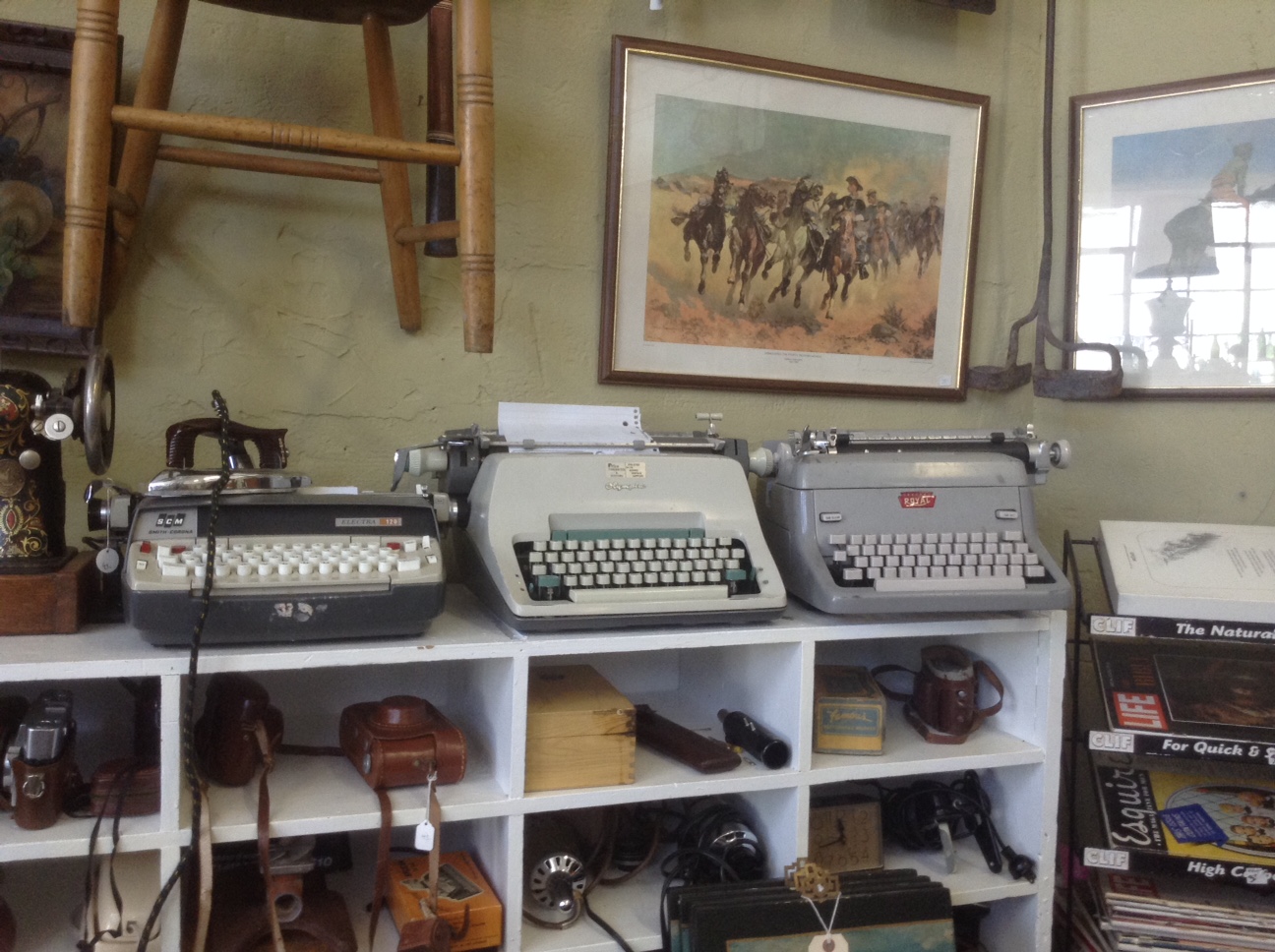
I spotted this bevy of beauties:

IMG_3593

Well, helloo ladies!

They were on a shelf almost out of reach.

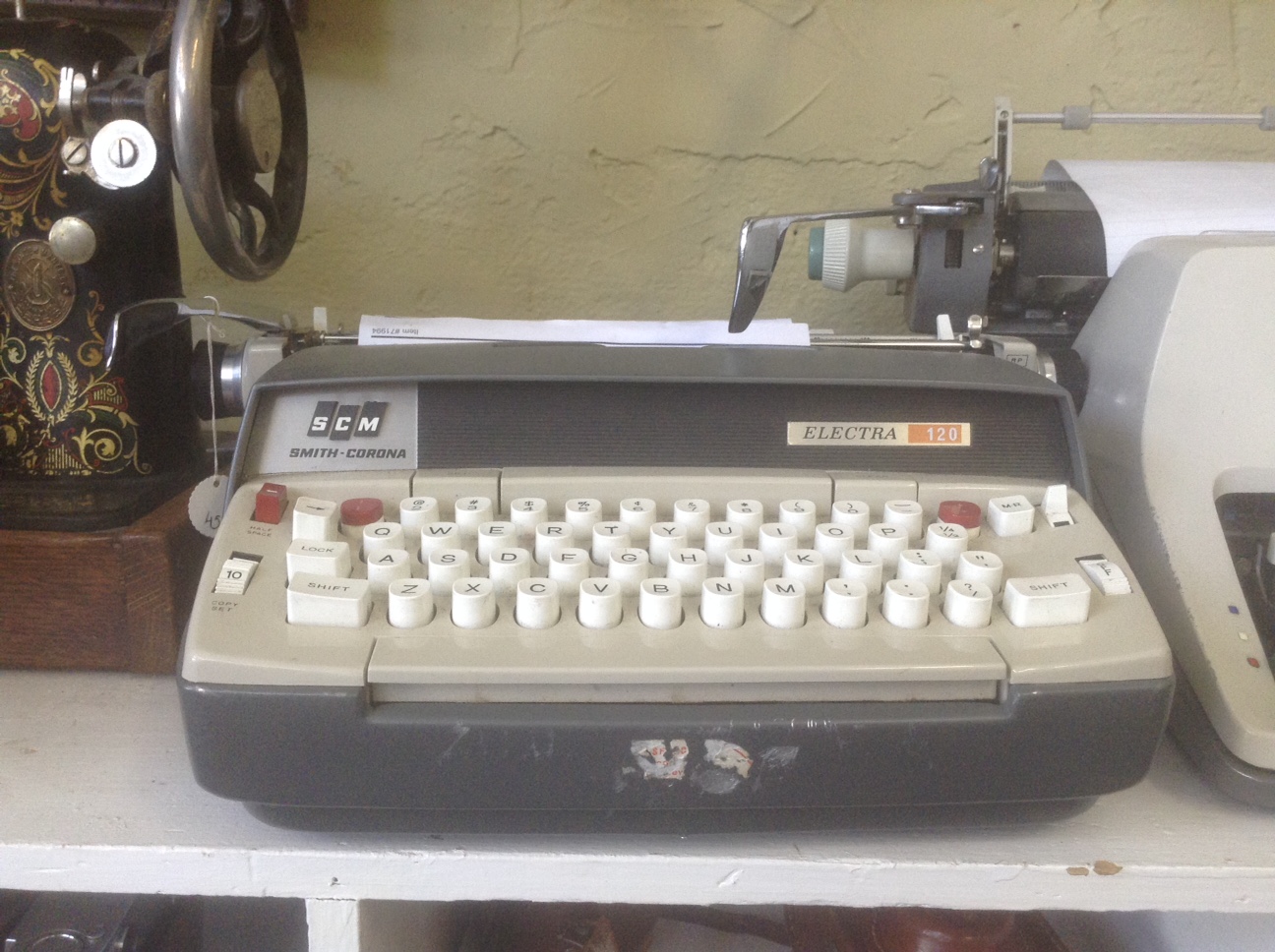
196X Smith-Corona Electra 120
S/N 6LE2 -120200

$45

IMG_3586

I am generally not an electric typewriter person though I have bitter-sweet memories of the Selectrics of my youth. This Electra 120 is on the fugly side, but she won me over once I plugged her in – so much fun to play with.

1965 Olympia SG3
S/N: 7-1349732
Price: $30

IMG_3588

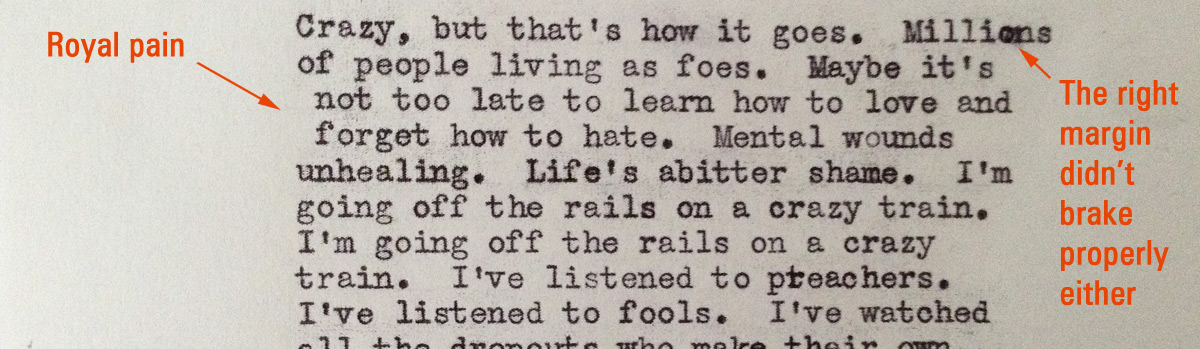
This Olympia is a honey. Large Marge. I am worried that I might bring her home at some point. I kind of love everything about her except I couldn’t get the right margin to work. And she is HUGE – a mountain of a typewriter. I might be able to talk the junk store owner into a price reduction.  I am enamored of the double spacing key.

IMG_3590

And she’s just filthy dirty.  I could spend so many happy hours cleaning up this Olympia.

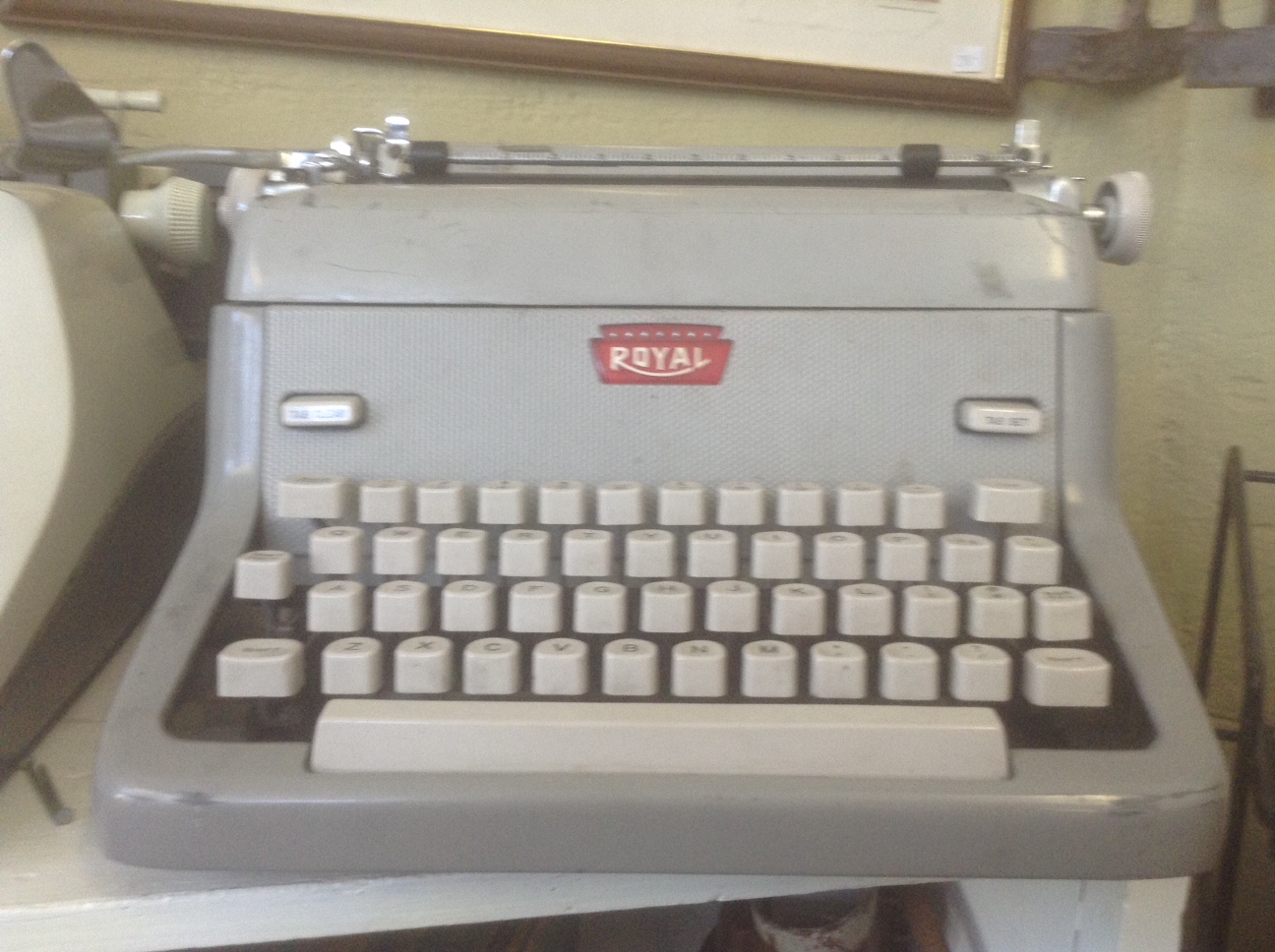
196X Royal FP
No price

IMG_3589

I couldn’t test this one as the ribbon was tangled, I couldn’t pop the lid and the left Magic Margin wouldn’t hold.  Another day perhaps.

Update: I stopped in an antique store in next town over yesterday and saw this:

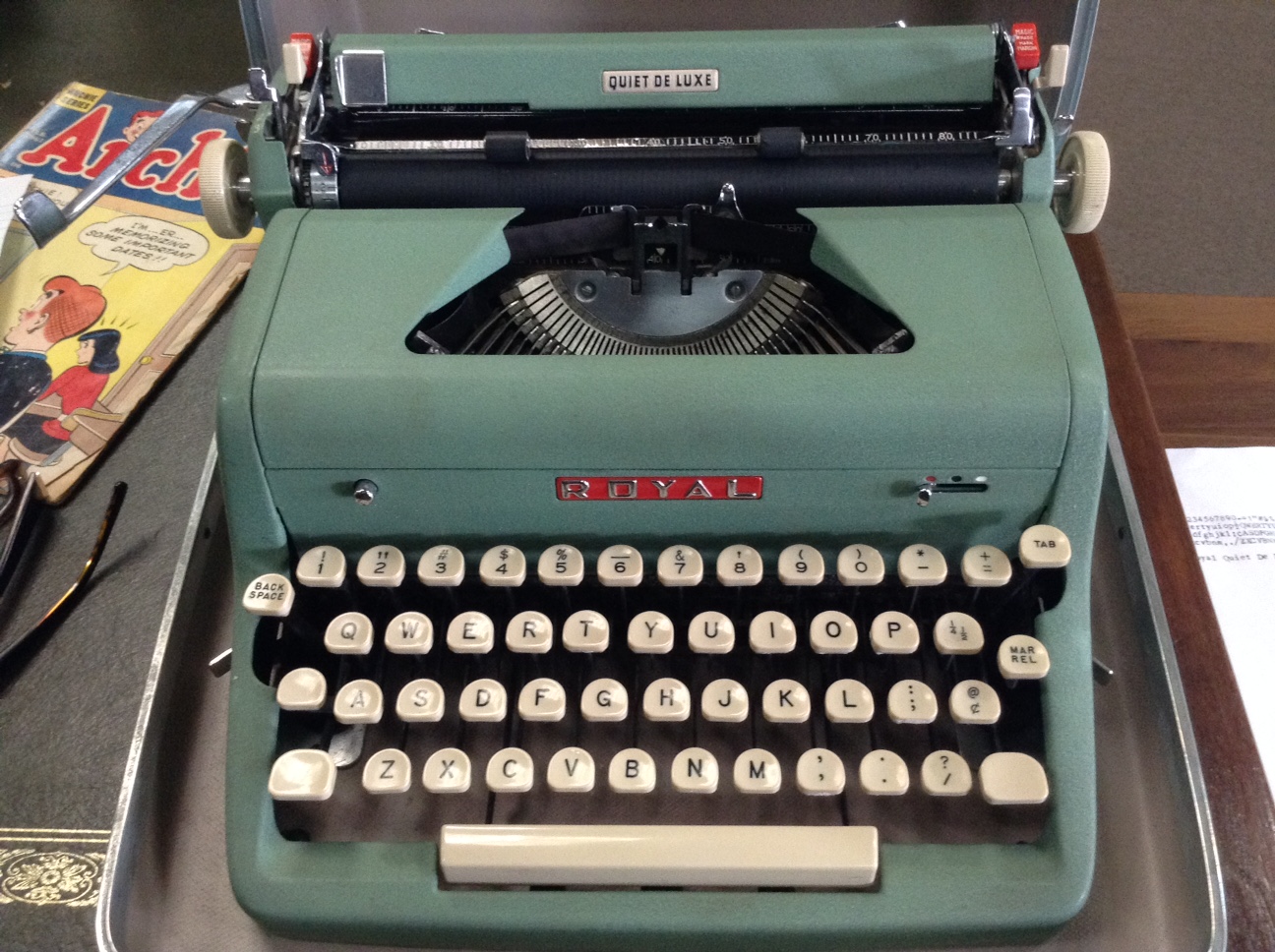
195x Royal Quiet De Luxe
Price: $375.00

IMG_3625

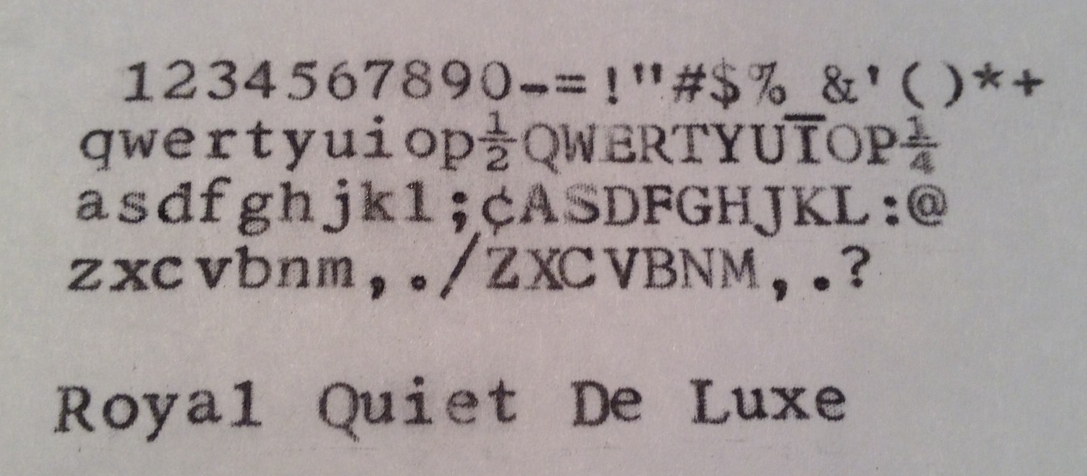
Wow – knock out color and very clean. The price is…more than I am budgeting for typewriters right now. The font is beautiful:

IMG_3665

That’s all for my sightseeing – I added the Brother Echelon 89 and the Smith-Corona Electra 120 to the Typewriter Database as the database didn’t yet have photo examples of these fine machines.

Note: this post is partly inspired by Richard Polt’s Typewriter Safaris – they are very entertaining reads:

The Typewriter Revolution: Photo safari
The Typewriter Revolution: Sunday’s safari
The Typewriter Revolution: January’s safari and guessing game


A Renewed Ribbon for the Taupe Pancake: Skyriter

My tough little pancake – the Skyriter – had a pretty dried out ribbon when I got her.

IMG_3520

I have read that you can sometimes rejuvenate old dried-up typewriter ribbons with WD-40. I could save $7.99 and a trip to the office supply store for this:

This 1/2" black ribbon is compatible with Okidata...and others

This 1/2″ black ribbon is compatible with Okidata…and others

Since I am both cheap and impatient (two qualities that have made me the success I am today), I thought I’d try it.

First I had to find a box to work in.  I found a box outside but first I had to evict two Wubble-Bubbles, Charles and Dope.

IMG_3464

Scat, you two.

I then removed the ribbon from the machine, unspooled it and put it in the box.  Then I sprayed the whole tangled mess with WD-40:

IMG_3465

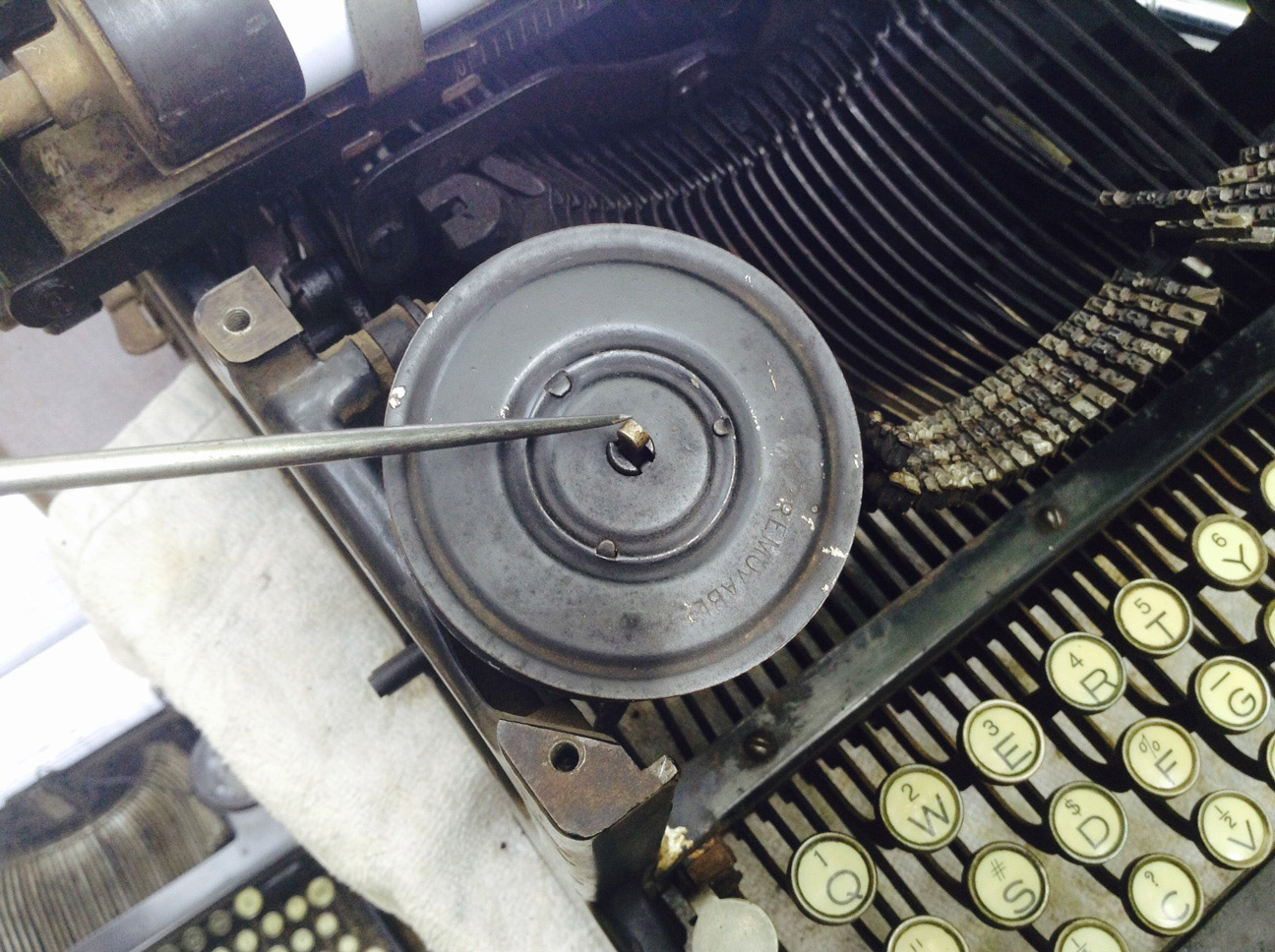
I waited about 30 minutes, then wound all the ribbon onto one of the spools very tightly.  I then squirted WD-40 onto the tightly wound spool.  That might have been over-kill.

I then waited about an hour and put the ribbon spool back on the machine and hooked things back up. The first test was very squishy and gray. I had used a lot of WD-40 on the ribbon.  I let the ribbon sit longer and cleaned the type in the meantime with denatured alcohol since it was a little gunky.

IMG_3466

After about an hour, the typed page looked better.  It’s a readable charcoal color, but definitely not a true black like a new ribbon would produce.

IMG_3481

I’ll keep the WD-40ed ribbon for the time being.  It works.

UPDATE: 2 weeks later: WD-40ed ribbon still typing fine – just fine – not black, but fine.

Another interesting tidbit related to ribbon spools: when I received my Oliver in the mail last month from the eBay seller, there was a mysterious piece of metal rattling around in the box. I put it in a baggie, labeled it “Oliver Mystery Piece”, set it aside, and hoped it wasn’t important.

A couples weeks ago, I brought home my Skyriter and I was cleaning and looking for the serial number when I found an almost identical mysterious piece of metal rattling around loose inside the Skyriter’s case.

IMG_3455

It was almost the same as the Oliver’s Mystery Piece except smaller in size.

IMG_3457_2

A typewriter repair specialist on the Typewriter Talk forum identified these as ribbon spool clips that secure the ribbon to the core of the typewriter spool.

I used my newly-identified spool clip to secure my Skyriter ribbon when I replaced the WD-40ed ribbon spool.

The Wayward Type Slug and the Good Neighbor

This is a parable for our times.

We live next door to Brian and his family.  They have been our neighbors for almost 13 years.  Brian is an incredibly decent man and good neighbor. We love Brian.

Brian is also a hobbyist knife maker. As an aspiring typewriter fixer, I know this is a good person to know as I frequently find myself in metal-related dilemmas.

For his own pleasure, Brian makes beautiful knives that look like this:

bootDagger2

So when I purchased a Skyriter with a bent type slug, I knew just who to see.

I had tested the typewriter in the junk store before I bought it and noted that the letter B/b was not printing.  When I popped the hood, I saw the problem: the B/b type slug was tilted forward.

IMG_3452

When compared to its neighbor slug, it was very noticeably out of alignment:

IMG_3454

I took the Skyriter home after negotiating a lower price. I carefully tried to bend the slug back into position using needle nose pliers, but it wasn’t budging for me.

So I went over to Brian’s.  He has the best workshop with lots of fun equipment.

IMG_3496

IMG_3497

Please note: this is a human interest post – not an instructional post.  I am only documenting what happened. What follows is an intense scene of type slug peril, so if you don’t have the stomach for that, stop reading right now.

We supported the typebar right under the slug so that the typebar didn’t get bent.  We used a Kant Twist mini clamp to support the typebar.

IMG_3500

The Kant Twist is pretty cool.  It has flat and grooved faces.

IMG_3499

Much to my alarm, Brian placed a block behind the clamp and pulled out a punch and mallet.

IMG_3503

Using the punch positioned between the B and the b on the slug, he tapped gently and precisely with the mallet and the slug moved into proper position.

Kids, do not try this at home unless you live next door to Brian.

Brian was prepared to pull out a mini blow torch to soften the solder that holds the slug onto the typebar, but there was no need.

After the initial straightening, the slug was listing a little to the side.  Brian pulled out an small 4″ wrench with flat, parallel gripping surfaces.  It’s an antique he picked up at a garage sale. I covet it.

IMG_3502

I want.

He put the typebar and slug into the wrench, tightened it and the slug pulled up straight.

Brian has a large collection of clamps and vises:

IMG_3504

He offered me a teeny Kant Twist and a vise grip clamp that he cleaned up for me. They will be great for straightening bent pieces of typewriters.

IMG_3509

IMG_3506

Brian, put on your eye protection!

I came away with a straightened B/b type slug and two new tools for fixing typewriters.  Thanks, Brian!

The B/b is still slightly misaligned, but the screwiness gives the typed page some character and is a reminder of the machine’s history. In the future, I will call any type slug with an eccentric alignment a “Brian B” in honor of my good neighbor, Brian.

IMG_3517

UPDATE: Brian stopped by the next morning. Our dining room table looked like Machine General Hospital that day.

IMG_3511

Brian had a great time helping me straighten out the type slug yesterday and felt I needed some modified pliers for use while working on typewriters.  Using a pair of calipers, he determined that all my Coronas and Smith Coronas have the same size slugs.

IMG_3512

He wanted to modify some pliers so that they will grip the slugs perfectly when making alignment adjustments.

IMG_3513

Below are the modified pliers Brian made me. They have parallel flat surfaces that are just wider than a Corona or Smith-Corona type slug so that I can insert leather padding to protect the slug when I use the pliers:

IMG_3535

The lesson of the parable of the Wayward Type Slug and the Good Neighbor is: live next door to Brian.

Now We Are Six: Torpedo and Skyriter

On Wednesday I found a couple typewriters – a Torpedo and a Skyriter – at my local junk store that needed a loving home.

These two are really good friends.  They bonded during their captivity in the junk shop and now they are inseparable.

IMG_3493

The Skyriter is nuzzling the Torpedo


1957 Torpedo 18a
Serial number: 936000

IMG_3484

The Torpedo was pretty dirty with lots of Wite Out splashes and some shellac-like substance dribbled on it.  The Wite Out and shellacky stuff came up beautifully with Goo Gone and the Goo Gone didn’t seem to harm the paint. The Torpedo is a stunner in gorgeous pale blue-green. This Torpedo hasn’t got a TAB key, so she’s an 18a – I think that’s the difference between an 18a and 18b.

The “Made in Western Germany” sold me.

IMG_3487_2


1952 Smith-Corona Skyriter
Serial number: 2Y 146881

IMG_3469

This Skyriter is such a delicious little pancake, but it was the Skyriter’s metal cover that tipped me over the edge.  Type the Clouds compared the Skyriter cover to a roasting pan.  I am going to roast up a chicken in it tonight for dinner.

IMG_3478

Both these machines are chock full of aesthetic appeal, but what really truly sealed the deal was the way they felt under my fingers.

For such a tiny machine, the Skyriter has a hardy, durable feel. I would happily take her on an airplane or on a cross-country road trip or on a backpacking trip or on safari.

The Torpedo has a different feel – that of a precision instrument – no clatter, just solid, classy efficiency. I feel noticeably classier when I type on it.

So now I am up to six typewriters. I think six is enough for the time being. No more distractions since I still need to finish up the Oliver and tear apart the Corona 4.

Posh Spice: Corona Sterling

I was sort of looking for a functional portable typewriter that I could refer to while I restored the Corona 4. When I work on my Oliver, I wish I had a second functional Oliver to which I could compare mechanisms in action.

I found this typewriter and she is not only functional – she is exquisitely pristine.

IMG_3411

1938 Corona Sterling
Serial Number: 2A 39626

As Ron Burgundy would say, “Boy, that escalated quickly.” We now have a family of four typewriters – two nonfunctional.

Spice Girls (L to R): Posh Spice, Biggie Spice, Trampy Spice, Old Spice

IMG_3426

Drink of Choice (L to R): dry martini, black coffee, whiskey neat and a cigarette, kerosene

My Corona Sterling is the Garbo of typewriters. She appears to have retired soon after she rolled off the factory assembly line. She must have spent most of her life in the seclusion of her case because she is remarkably well-preserved despite being 77 years old. There are some small nicks where the carriage return lever hit the cover plate, some decal fading, a few scratches, and some tape residue, but she really is in superb shape.

However. I don’t know if this Corona Sterling will stay long with us.  Frankly, she makes me a bit uncomfortable. I can’t touch her without feeling that I am somehow sullying her. My typewriter tastes lean toward the junky and broken – she is just too fine and clean for our house.

So she sits mute and beautiful in my living room – until you touch the keys and she whirs into life – like a ROBOT.

In any case, I need her for the time being so that I can examine her inside workings while I try to fix that Corona 4.

The Hot Mess: Corona Four

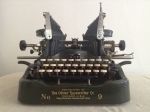
While doing research on my Oliver No. 9’s problems, I came across an entertaining post about a Remington Travel-Riter DeLuxe by Robert Messenger. He described its ribbon vibrator and the spool capstans as “banjaxed”.  I thought to myself: I will add that word and all its imaginary variations to my vocabulary.

My Oliver No. 9 isn’t the only train wreck in the house. While undeniably sexy, our Corona Four is thoroughly banjaxed. She has lived hard, but has obviously had a grand old time. I have photographed her in all her magnificent banjaxment.  Here we go:

The Toll of Hard Living

  1. Frozen carriage.  I had hoped that it was just a case of the carriage lock being on, but I really don’t think so.
  2. Ribbon vibrator in permanent “up” position – gives her a bit of a surprised look
  3. Broken space bar
  4. Sunken keys with missing linkage
  5. Bent typebars
  6. Deceased ribbon
  7. Rust
  8. Generalized grime
Go home, Corona Four, you've had too much to drink.

Go home, Corona Four. You’ve had too much to drink.

Here’s some more pictures of her in alluring disarray:

I can clean her up – she has the potential for stunning looks.  However, I don’t want just a display specimen. I want the Corona Four working and earning her keep in my stable of machines.

I am going to take the Corona completely apart. After I finish the Oliver.

Making a Carriage Draw Cord Hook & Reattaching the Cord to the Mainspring of an Oliver

My Oliver is a little miracle of Chicago engineering.  It has a very clever draw band and carriage set up that works like this: a small hook attaches to the end of the draw band / draw cord.  During routine carriage removal, this hook catches mid-machine on a little two-prong fork so that the draw cord doesn’t fly loose from the mainspring and cause the mainspring to lose tension.

Continue reading

Small Is Beautiful: Corona 4

I think E. F. Schumacher would have agreed that typewriters are an “appropriate technology”.  He may even have approved of my latest acquisition – it’s actually a liberation.

This afternoon I found this sad little Corona wasting away in a junk shop down the street in my neighborhood. I hit it off with the shop’s owner, and he gave it to me for $12.  He was glad to see it go to a happy home. What a great guy!

Here is is, working on her tan in the Californian sun

Here she is, working on her tan in the Californian sun.  She already feels better.

Her serial number is: J2A03722 which means she’s from 1930. Many thanks to the Typewriter Database for the serial number information and all the beautiful pictures.

This Corona 4 is in terrible shape: extremely dirty (I thought she was all black, but she’s actually black with gold (!) panels now that I see her in the sunlight) and rusty. And frozen stiff too. Her carriage is stuck in a weird way. The draw cord is deceased, there are lost linkages – you get the picture.

All-in-all she is a wonderful project. Funnily enough, I was recently admiring Robert Messenger’s glorious blue and gold Corona. I never imagined that I would own anything like that. Dreams can come true.

My Oliver No. 9 is thisclose to being functional – she’s almost typing. I can’t talk about the Corona in front of her because I don’t want my Oliver to get sulky. As soon as the Oliver is typing, I’ll take care of the Corona.